News
Aiyegbeni, Ikpeba, Disu Others, Set For Ex Internationals Set for Touchline Battles

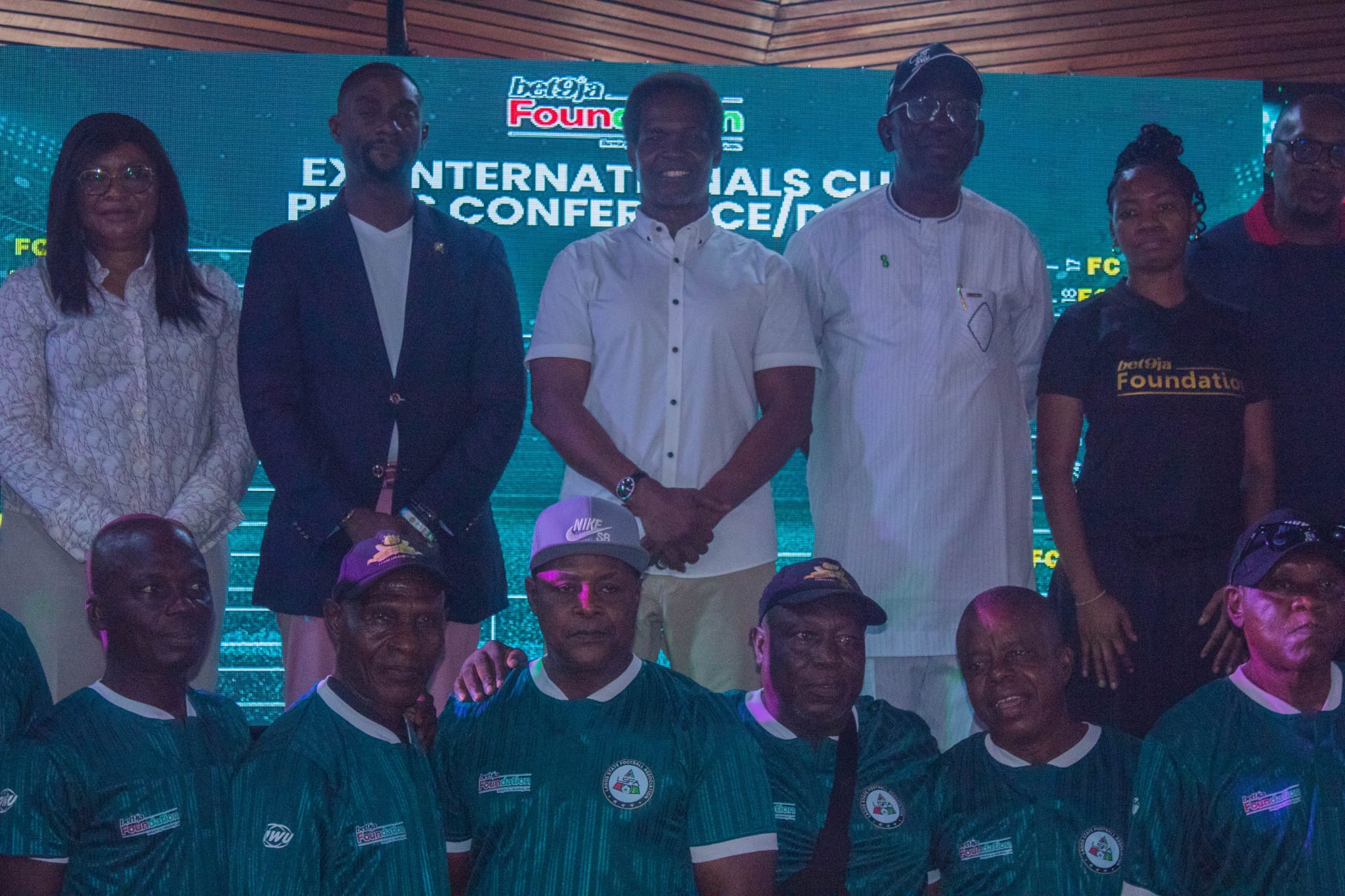
The NIS Hall in Lagos buzzed with nostalgia and anticipation on Friday as the Bet9ja Foundation Ex Internationals Cup held its official draw.
Former Super Eagles stars, community leaders, and grassroots football stakeholders gathered under one roof, eager to see how the competition would unfold. For many in the room, it felt like a reunion of old teammates and rivals, now returning to football in a new role: mentors and community ambassadors. The draw marked the start of a tournament designed not just to entertain, but to reconnect Nigeria’s football legends with the places that first shaped them.
Read Also: Ibadan Ex-internationals’ May 31st Exhibition Match Gains More Intensity, As Kola Ige Joins Build-up Hype
This year’s competition will be played on a strict home-and-away basis, a deliberate choice to take the games to the communities of the ex internationals.
The defining feature of the Ex Internationals Cup is the adoption system. Every ex-international has adopted a team from their community and will serve as patron and mentor.
When the draw began, the hall came alive with applause and cheers as pairings were revealed. FC Ekpo will face FC Ipaye, FC Amoo takes on FC Ogunlade, and FC Agali squares up against FC Oloyede. Further down the list, FC Ayila meets FC Agu, FC Poto battles FC Odiaka, and FC Giwa clashes with FC Temile. Each fixture carries a personal story, linking a former international’s name to a community club and setting up derbies with real emotional weight. For the fans, it’s a chance to see names they grew up idolizing now shaping the next generation.
Some of the most eye-catching ties include FC Akanni vs FC Dominic, FC Babington vs FC Dosu, and FC Disu vs FC Enegwea. These matchups bring together players who once shared dressing rooms for Nigeria, now facing off from opposite dugouts in their adopted communities. FC Odinni vs FC Ikpeba and FC Edema vs FC Nieketin promise similar intrigue, pitting former teammates against each other in a battle for local bragging rights. The format ensures that every community gets a home game, turning each fixture into a mini-festival of football and culture.
Other pairings underline the national spread of the tournament. FC Udeze vs FC Ugbade, FC Atine vs FC Obafemi, and FC Oguntuase vs FC Omoruyi will see action across different regions, while FC Aiyegbeni vs FC Elaho and FC Okpara vs FC Agbai complete the lineup Hosting matches in the ex-internationals’ communities also means improved visibility for local pitches, schools, and youth academies that rarely get national attention.
Speaking after the draw, organizers explained that the tournament is about more than just football. It’s a development platform aimed at rebuilding grassroots structures, reigniting local fan culture, and creating pathways for young players to be scouted. By bringing the games home, the Bet9ja Foundation hopes to stimulate local economies, encourage community pride, and give young players a stage to perform in front of people who matter to them. The ex-internationals themselves have embraced the responsibility, many describing it as a full-circle moment in their careers.
As the first round approaches, excitement is building in the communities tied to these fixtures.. The Bet9ja Foundation Ex Internationals Cup is set to turn familiar local pitches into stages for high-stakes football, mentorship, and community celebration.
The Full Fixtures:
FC Ekpo Vs FC Ipaye
FC Amoo Vs FC Ogunlade
FC Agali Vs FC Oloyede
FC Ayila Vs FC Agu
FC Poto Vs FC Odiaka
FC Giwa Vs FC Temile
FC Akanni Vs FC Dominic
FC Babington Vs FC Dosu
FC Disu Vs FC Enegwea
FC Odinni Vs FC Ikpeba
FC Edema Vs FC Nieketin
FC Udeze Vs FC Ugbade
FC Atine Vs FC Obafemi
FC Oguntuase Vs FC Omoruyi
FC Aiyegbeni Vs FC Elaho
FC Okpara Vs FC Agbai






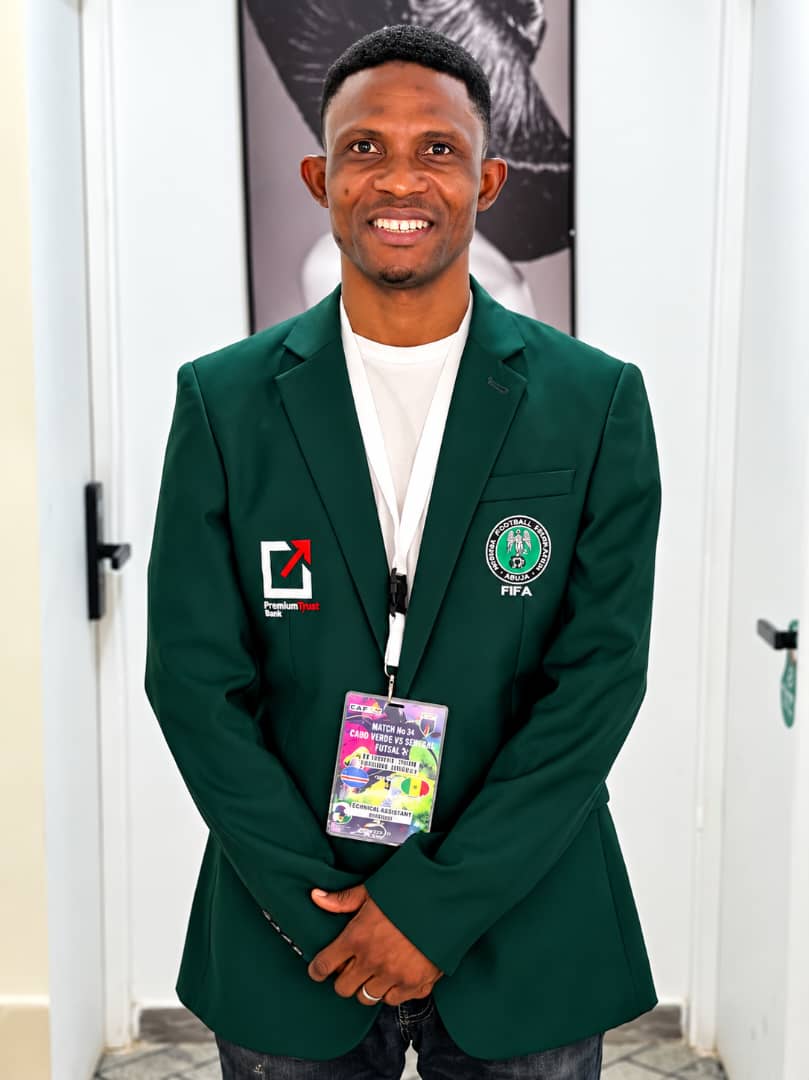
Nigerian FIFA referee John Tope Ojeleye will depart for Morocco later today after earning selection for the Confederation of African Football’s Futsal Pre-Tournament Course, marking another significant step in his rapidly growing international officiating career.
Ojeleye is one of only two Nigerian referees named among 30 officials from across Africa for the programme, with fellow Nigerian Bello Al Hassan Zuru also making the list.
The invitation continues an impressive rise for Ojeleye, who only received his first FIFA badge in 2025 after being elevated to the international list as a futsal referee. He was among three Nigerian match officials awarded FIFA status for the first time that year.
His progress did not stop with the badge.
Ojeleye subsequently received international assignments in the CAF Futsal Africa Cup of Nations qualifying series, including officiating duties during Cape Verde’s encounter with Senegal in Praia, providing valuable experience outside Nigeria.
His performances and development earned him another place on Nigeria’s FIFA international referees list for 2026, keeping him among the country’s recognised futsal officials.
The Morocco invitation now provides another opportunity for Ojeleye to work alongside some of Africa’s leading futsal referees and CAF instructors in an environment designed to prepare officials for the demands of elite continental competition.
Ojeleye has also remained active in conventional football at home. He was recently appointed to officiate the Nigeria Premier Football League fixture between Niger Tornadoes and Kun Khalifat, highlighting his continued involvement in domestic football alongside his growing futsal career.
His contribution to grassroots football was equally recognised recently with a Special Recognition Award at the Holiday Gold Cup.
For Nigerian refereeing, Ojeleye’s latest continental opportunity represents another encouraging development at a time when producing officials capable of earning major CAF assignments remains an important objective.
And for Ojeleye personally, Morocco represents another rung on the ladder.
From earning the FIFA badge to handling continental assignments and now joining Africa’s selected futsal referees in Morocco, Ojeleye’s whistle is travelling farther — and Nigeria’s flag is going with him.
-

 Health2 days ago
Plateau: Medical Women Association of Nigeria Marks Older Persons Day with Free Outreach
-
News4 days ago
PLASU Opens Doors to Global Investors at 2nd Inaugural Lecture
-
News4 days ago
Nigeria At 66: Rotjimwa Yilyok Salutes President Tinubu, APC Leadership and Plateau Government
-
News4 days ago
Plateau Specialist Hospital Celebrates Nigeria at 66, Salutes Mutfwang’s Health Initiatives