Business
CBN to revise rules governing financial holding companies

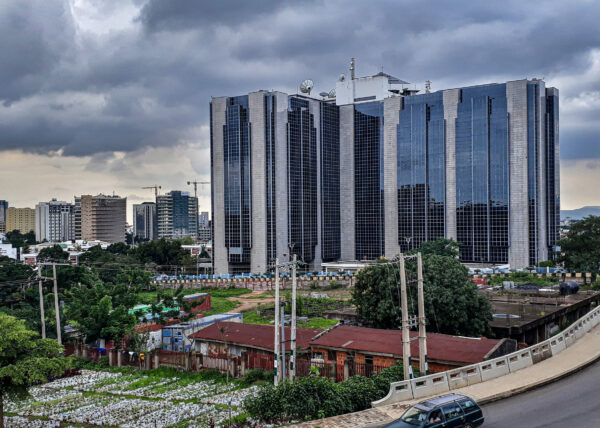

The Central Bank of Nigeria (CBN) has proposed the revision of the regulatory framework governing financial holding companies to bolstering the resilience and stability of the country’s financial system.
The regulator disclosed the plan in a circular signed by Rita Sike, the director of its Financial Policy and Regulation Department, on Thursday, inviting stakeholders to send their reviews of the guidelines by 9 July.
“Following several years of implementation, the CBN has identified areas within the extant guidelines that require enhancement to strengthen the operational effectiveness and regulatory oversight of financial holding companies,” the statement noted.
CBN stated that it would further promote a safe, sound and resilient financial system with the guidelines.
It noted that the overhaul was necessary after years of implementing the existing framework introduced in 2014 to mitigate the risks arising from the conduct of non-core banking activities within banking groups.

The regulation review addresses gaps and aligns with evolving regulatory and market developments.
Revisions
Among the key revisions in the guidelines is the clarification and enhancement of minimum capital requirements for financial holding companies to ensure their capacity to serve as a reliable source of financial strength to their subsidiaries.
The revised guidelines also address identified gaps in shared services arrangements to prevent potential abuse or undue advantage over banking subsidiaries.
READ ALSO: Cardoso receives 2026 Central Banking Central Bank of the Year Award in London
According to the CBN, the revision takes into consideration the establishment of clear eligibility requirements for promoters seeking to set up financial holding companies.
The revised framework streamlines the structure of financial holding companies by permitting them, instead of their Nigerian banking subsidiaries, to directly own equity interests in foreign subsidiaries.
It also requires financial holding companies to maintain a minimum 51 per cent equity stake in each subsidiary and be registered as persons with significant control with the appropriate corporate registration authority.


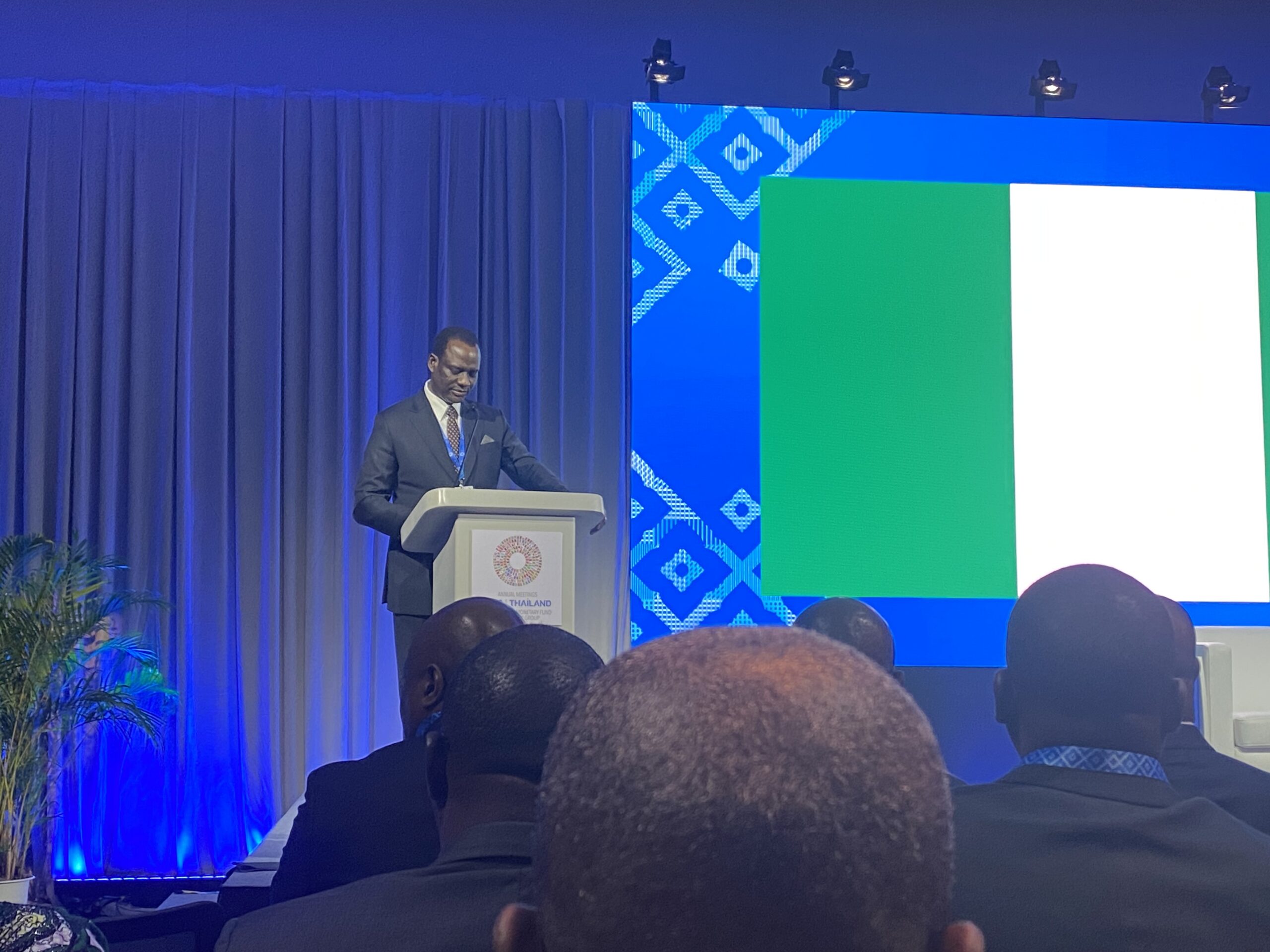
Nigeria’s Minister of Finance and Coordinating Minister of the Economy, Taiwo Oyedele, on Saturday said there will be no reversal of the government’s policies on fuel subsidy removal and foreign exchange market liberalisation.
Mr Oyedele spoke in response to concerns raised in the wake of the debates over subsidy policies ahead of the 2027 elections.
PREMIUM TIMES reports that the minister spoke on the sidelines of the World Bank/IMF meetings in Bangkok, Thailand.

Nigeria has introduced a series of reforms the government said were focused on fixing the structure of the economy, although the impact has been enormous for many Nigerians grappling with the cost-of-living crisis.
The government introduced reforms in the foreign exchange market, abolished what it termed a wasteful, corruption-ridden subsidy regime amid fiscal pressures, and institutionalised tax reforms.
While the Nigerian government, led by President Bola Tinubu, has defended its economic policy of subsidy removal as critical to the nation’s fiscal survival, opposition politicians—such as Atiku Abubakar of the ADC and Peter Obi of the NDC—have canvassed for and promised a return to different subsidy arrangements if elected into power.

Although the reforms have been hailed as positive for the nation’s fiscal health by global development and financial institutions, many Nigerians have expressed frustrations over their impact on the domestic front amid skyrocketed energy prices, high cost of living and sundry inflationary pressures.
Mr Oyedele said on Saturday that there will be no return to subsidy regimes, adding that the 30-day retail margin discount isn’t a subsidy arrangement.
“And let me be clear as well, this was a recurring question almost through all our engagements, but also with the rating agencies, with the investors, and the multilateral institutions. Every time they ask, are you reversing your plans? Are you bringing back subsidies? Let me be clear, there will be no return to fuel subsidies or multiple exchange rates,” he said.
READ ALSO: Oyedele warns against tax burden on poor people as G-24 seeks concessional lending support
PREMIUM TIMES reports that the government recently announced an intervention by the state-owned oil company, NNPC, that it would sell petrol at the cost price for about 30 days; a move many described as some form of subsidy. The government, however, insists the intervention is not a subsidy.
“The recent 30-day retail margin discount… is a time-bound commercial decision by the NNPC to reduce margins and support Nigerians. It is not a subsidy paid from public funds,” Mr Oyedele said.
Discover more from Premium Times Nigeria
Subscribe to get the latest posts sent to your email.
-

 News4 days ago
MTN, Airtel take 90% of Nigeria’s 15m new subscribers as Glo shifts ground – Technology Times
-
News2 days ago
Miners Association Seeks Support To Unlock $3bn Gemstone Export Potential
-
Health2 days ago
Katsina health professionals declare 7-day warning strike
-
Business3 days ago
AFC Appoints CBN Governor Yemi Cardoso as Board Chairman