
Health
Kano implements 90% of health blueprint in three years – Commissioner

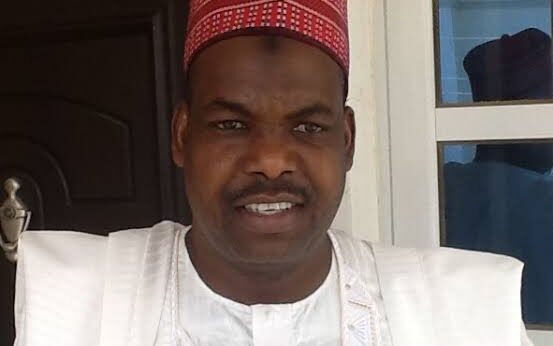

The Kano State Government says it has implemented about 90 per cent of its healthcare blueprint within three years of Governor Abba Yusuf’s administration.
The Commissioner for Health, Abubakar Labaran, disclosed this on Thursday while briefing journalists in Kano on the achievements recorded in the health sector.
Mr Labaran said the state had fully implemented the Abuja Declaration on Health, demonstrating its commitment to improving healthcare delivery.
He said the administration sanitised admissions into health training institutions through the introduction of a digital process, eliminating fraud that previously cost the state more than N1 billion.
“The government had also revived the training and retraining of healthcare personnel, restoring professionalism and credibility in the sector,” he said.

Mr Labaran said several health-related courses had secured accreditation from regulatory bodies, and opportunities had been created for medical doctors to advance to consultant status.
He said the measures had strengthened healthcare institutions and improved service delivery.
The commissioner said maternal mortality was being tackled through free healthcare for pregnant women, including free caesarean sections in more than 30 government hospitals.
He said more than N60 million was spent monthly to sustain the programme and ensure access to quality maternal care.
“Ambulances had been provided to all 44 local government areas to support emergency services, particularly for pregnant women in labour”.
He added that 484 mini ambulances had been procured for distribution to all wards to address transportation challenges during emergencies.
Mr Labaran said 320 primary healthcare centres had been rehabilitated, and the government was working to ensure every ward had a functional centre.
Additionally, he said health personnel had been recruited through collaboration between the state and federal governments and deployed to the facilities.
READ ALSO: Agency disbursed N400m to health facilities in Borno in Q1, Q2 – Official
He said the government was also strengthening secondary healthcare services across the 44 LGAs.
“Drug availability in hospitals had improved significantly from 30 per cent at the start of the administration through investment and prompt payment to suppliers,” he said.
The establishment of the Kano State Centre for Disease Control was another major milestone, he said, noting that it had enhanced the state’s capacity to prevent, detect and respond to public health emergencies.
Mr Labaran reaffirmed the government’s commitment to sustaining investments to ensure accessible, affordable and quality healthcare for all residents.
(NAN)


The Africa Centres for Disease Control and Prevention (Africa CDC) has criticised the lack of investment in developing a vaccine against the Bundibugyo strain of Ebola, nearly two decades after the virus was first identified in Uganda.
The agency’s Director-General, Jean Kaseya, said the absence of an approved vaccine reflected the international community’s failure to prioritise diseases largely affecting African countries.
Speaking on Channels Television’s The Morning Brief on Thursday, Mr Kaseya argued that the situation would have been different if outbreaks of the disease had occurred in Western countries.
“If this outbreak was in Western countries, vaccines will already be available,” he said.
Mr Kaseya said the Bundibugyo virus was first identified 19 years ago and had caused three outbreaks, yet no vaccine had been approved specifically to prevent the disease.
He said the situation highlighted the need for African countries to invest in vaccine research, clinical trials and local manufacturing rather than depend almost entirely on international partners.

Africa pushes for vaccine development
Mr Kaseya said Africa CDC was working with partners to advance research into vaccines against the Bundibugyo virus, including efforts involving an African manufacturer in Egypt.
He said the agency was also collaborating with the Democratic Republic of the Congo (DRC) and Uganda to explore possible research and emergency-use options involving existing Ebola vaccines.
One of the vaccines under consideration, Ervebo, is approved for preventing disease caused by the Ebola virus, formerly known as the Zaire strain. However, it is not approved for preventing disease caused by the Bundibugyo virus.
Mr Kaseya said the ongoing efforts were intended to strengthen Africa’s ability to respond to disease outbreaks without relying heavily on external support for vaccines and other essential medical products.
“We don’t want to see Africa left behind,” he said.
He maintained that Africa had the scientific expertise, skilled personnel and manufacturing potential needed to develop and produce vaccines, medicines and diagnostic tools.
Nigeria’s Ebola case
Mr Kaseya’s remarks come as Nigeria responds to its first confirmed case of Ebola virus disease, following an outbreak that began in the DRC in May.
As PREMIUM TIMES reported on Thursday, the confirmed patient is the wife of a diplomat who had travelled to Kampala, Uganda, before returning to Abuja. She developed symptoms shortly after her return and initially sought treatment for what was believed to be malaria before her infection was confirmed.
The Nigerian government said the patient is receiving medical care in isolation, while health authorities have identified 44 contacts for monitoring.
The case makes Nigeria the latest country affected by the cross-border spread of the disease.
The ongoing outbreak has also affected the DRC and Kenya, while Uganda previously recorded cases before declaring its outbreak over.
Greater control of vaccine production
Mr Kaseya said the response to the current outbreak should mark a turning point in how Africa prepares for and manages infectious disease emergencies.
He identified three priorities: expanding vaccine manufacturing on the continent, improving coordination among international partners and increasing domestic funding for public health responses.
According to him, 28 African countries had contributed funding to support the response, which he described as a significant demonstration of growing continental ownership of health emergencies.
He said African countries must continue to mobilise resources rather than depend almost entirely on international assistance when outbreaks occur.
Mr Kaseya also stressed that the organisation had a responsibility to protect the continent’s estimated 1.5 billion people across 55 countries, adding that its response to the Nigerian case was being coordinated with the country’s health authorities and international partners.
He said that the current outbreak should accelerate efforts to build a more self-reliant African health system, with stronger domestic financing and greater capacity to develop and produce essential medical supplies.
“After Ebola, Bundibugyo will not be like before Bundibugyo,” he said, expressing confidence that the continent’s approach to vaccine development and outbreak response would change.
Discover more from Premium Times Nigeria
Subscribe to get the latest posts sent to your email.
-

 News4 days ago
Amazon to fund 12 small nuclear reactors at former Indiana coal plant
-
News3 days ago
Mamdani says feds have abdicated on AI, urges New Yorkers to push back
-
News3 days ago
Meta’s Muse hits 10M U.S. downloads in 40 days, a milestone reached by only 11 other apps
-
Business2 days ago
How Your Side Hustle Income Ends Up in Your RSA


