
News
Image AI models now drive app growth, beating chatbot upgrades

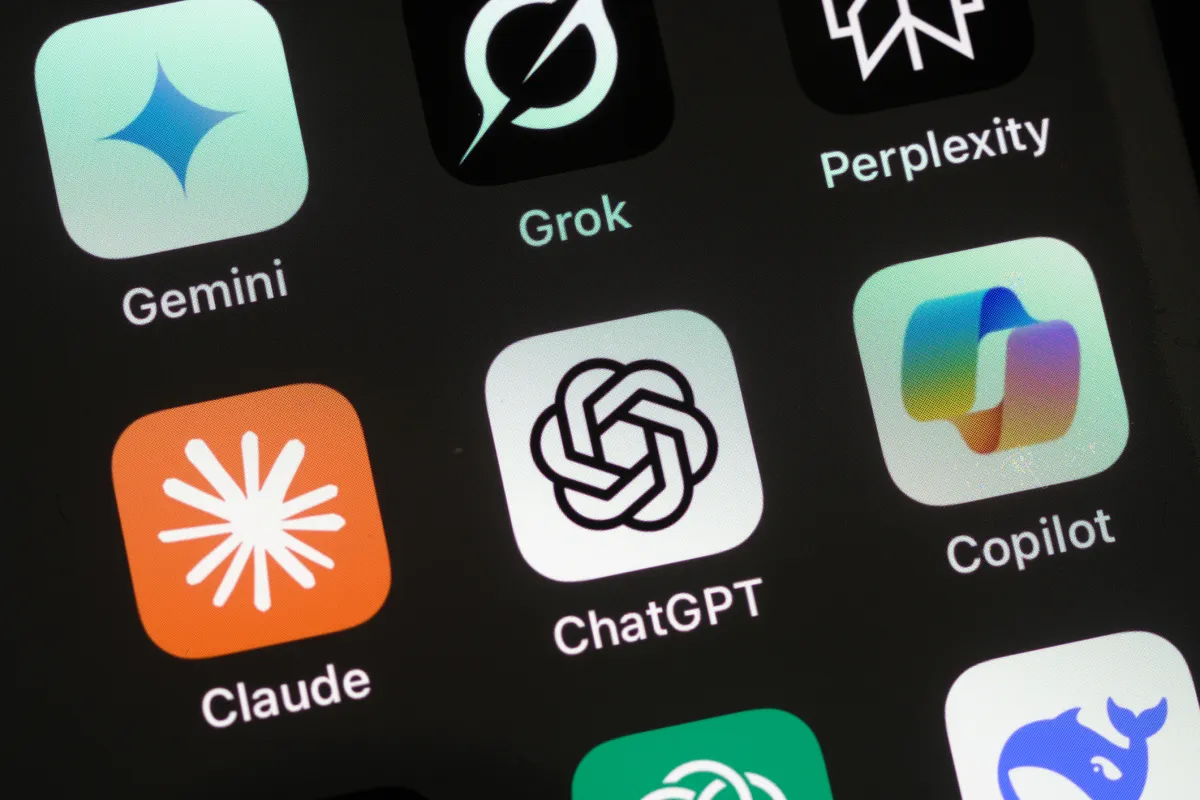
Image model releases are driving growth for AI mobile apps, generating 6.5x more downloads than traditional model updates, according to a new report from app intelligence provider Appfigures.
This marks a shift from earlier days, when the release of new models powering the conversational experiences drove more demand, alongside the new features like a voice chat interface.
For instance, ChatGPT and Gemini each added tens of millions of new downloads after releasing their respective image models, Appfigures found.
For Google’s Gemini, the release of its image model Nano Banana drove an additional 22+ million downloads in the 28 days following the introduction of the Gemini 2.5 Flash image model last August. This launch lifted the app’s downloads by more than 4x over that period, the data showed.

Meanwhile, ChatGPT added more than 12 million incremental installs in the 28 days after the introduction of its GPT-4o image model in March of last year. That’s roughly 4.5x more downloads than it saw for its GPT-4o, GPT-4.5, and GPT-5 model releases, Appfigures pointed out.
Other model releases followed similar trends, though on a smaller scale. Meta AI’s introduction of its AI video feed Vibes added an estimated 2.6 million incremental downloads in the 28 days after its September 2025 release. (Yes, technically, this is a video model, but it’s ultimately about visual content, not just text.)

Still, the report cautioned, additional downloads don’t always translate into increased mobile revenue.
Techcrunch event
San Francisco, CA
|
October 13-15, 2026
Instead, new image model releases give people a reason to install the app and try out its improved image-generation capabilities. That doesn’t mean they’ll necessarily convert to paying subscribers. For example, Appfigures noted that Nano Banana drove only $181,000 in estimated gross consumer spending during the 28-day window following its release, even though it produced a larger spike in downloads than ChatGPT’s 4o image model release.
Meta AI’s launch of Vibes also led to additional downloads, but no meaningful revenue.
Among the three, only ChatGPT turned the increased attention into actual dollars.
OpenAI’s 4o image-generation model led to an estimated $70 million in gross consumer spending over the 28 days after its launch, compared with its prior baseline, Appfigures said.

The company also looked at DeepSeek in its analysis, but it didn’t fit the pattern.
While DeepSeek R1 drove 28 million downloads after its January 2025 release, it wasn’t a typical model comparison event. This was DeepSeek’s breakout moment, when it went from being relatively unknown to an overnight sensation as the tech industry learned about the techniques it used to train its AI models at a fraction of the cost of its competitors. This case highlights how curiosity can drive downloads — though in this instance, the interest wasn’t tied to an image model.
When you purchase through links in our articles, we may earn a small commission. This doesn’t affect our editorial independence.


News
IASC PatrickLingo Super League 2026: Jendol Set to Sell Zudachi a Defeat as Construction Giants Threaten to Demolish Superstores; Remed Prepare Bitter Medicine for Daily Manna!
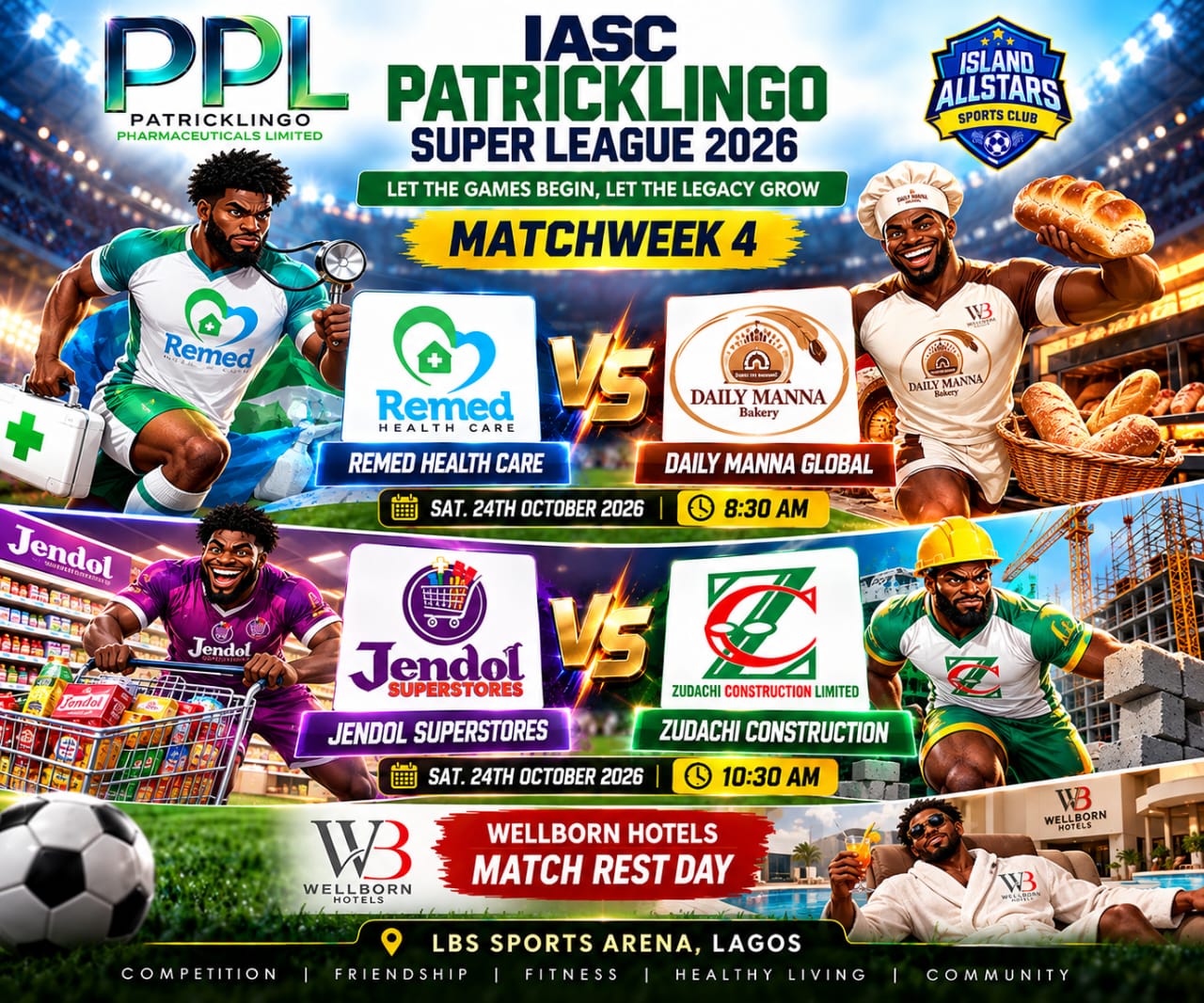
The Island AllStars PatrickLingo Super League 2026 returns with a mouthwatering Matchweek 4 on Saturday, October 24, as Jendol Superstores prepare to shut down Zudachi Construction’s championship project, while Remed Healthcare hope to prescribe bitter medicine to Daily Manna Global at the Lagos Business School Sports Arena.
The opening encounter at 8:30 a.m. promises fireworks as Remed Healthcare attempt to cure their inconsistent form against a Daily Manna side desperately searching for its first victory.
Remed began their campaign with a painful 4–2 defeat to Zudachi before administering a 1–0 treatment to Wellborn Hotels. Having enjoyed their Matchweek 3 rest day, the healthcare boys return refreshed and ready to write another winning prescription.
But Daily Manna are not coming to the hospital for treatment. The bakery boys are arriving with freshly baked football surprises!
After losing their opener to Wellborn, Daily Manna shared points with Jendol before serving Zudachi a hot stoppage-time equaliser through Sky-P’s penalty in a thrilling 2–2 draw.
However, the biggest fireworks are reserved for the 10:30 a.m. top-of-the-table blockbuster between Jendol Superstores and Zudachi Construction.
Jendol have become the hottest supermarket in town after checking Wellborn Hotels out with a stunning 3–1 victory, inspired by Chibuike’s brilliant brace.
Now, the supermarket boys want to stock their shelves with another three points and put Zudachi’s championship ambitions on clearance sale!
But Zudachi are no ordinary builders. The construction giants have laid an unbeaten foundation, collecting four points from two matches, and are determined to prevent Jendol from demolishing their position at the summit.
Meanwhile, Wellborn Hotels will enjoy their scheduled rest day, perhaps using the break to renovate their leaking defence after two consecutive defeats.
Sponsored by PatrickLingo Pharmaceuticals Limited, the competition continues to celebrate football, friendship, fitness and sportsmanship.
Will Jendol close Zudachi’s construction site, or will the builders demolish the supermarket? Can Daily Manna serve Remed a winning breakfast?
Saturday will provide the answers!

-

 News20 hours ago
Obi, Kwankwaso to hold Middle Belt Youth, Village Hall Meeting in Jos
-
News3 days ago
Meta’s Muse hits 10M U.S. downloads in 40 days, a milestone reached by only 11 other apps
-
Business3 days ago
How Your Side Hustle Income Ends Up in Your RSA
-
Business4 days ago
Mbah Rebuilds Technical College, Prepares Enugu Youths for Tech-Driven Future


