Health
Anambra govt launches long-acting injectable drug to prevent HIV

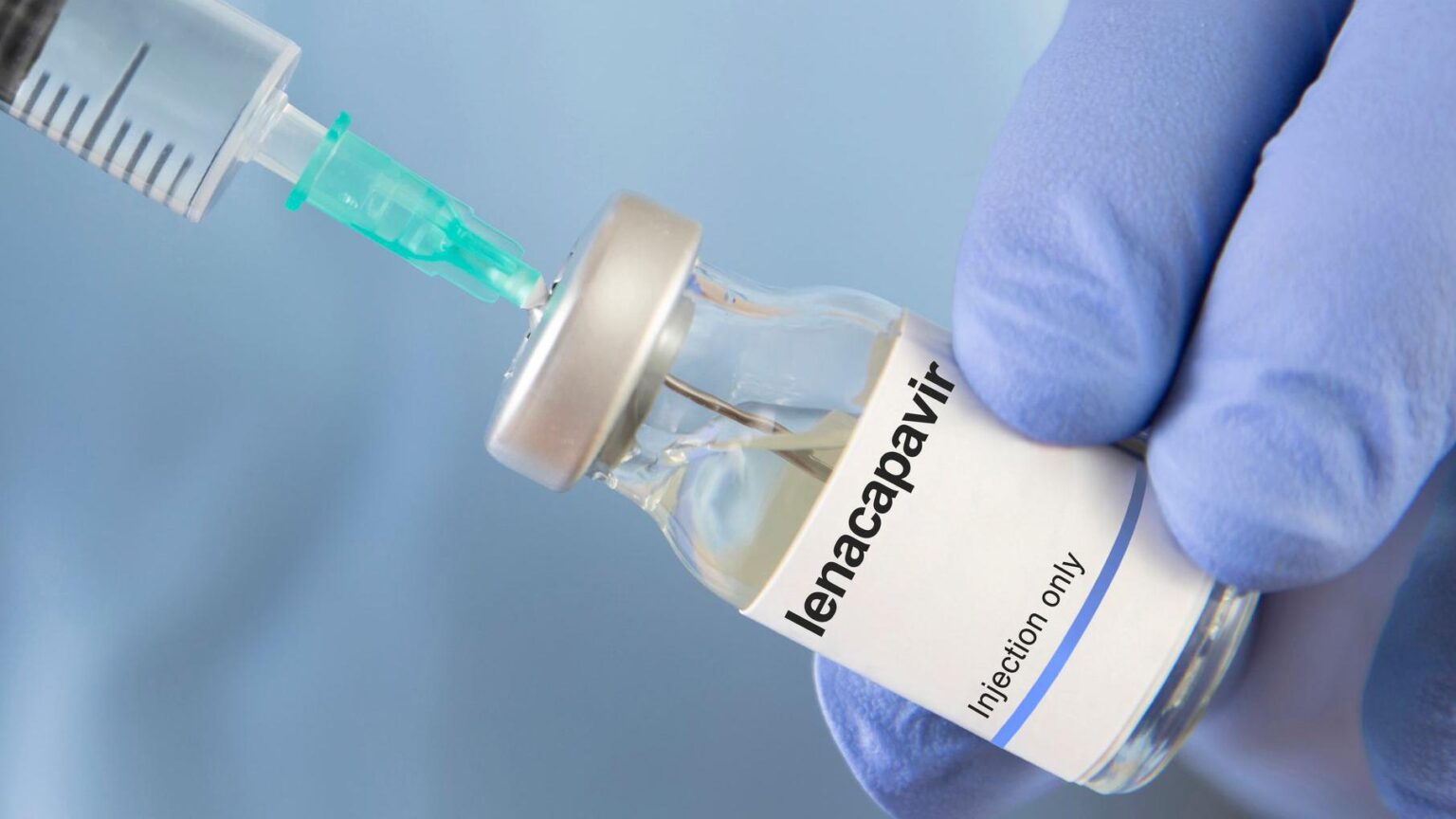
The Anambra government has launched the rollout of Lenacapavir (LEN PrEP), a long-acting injectable drug designed to prevent HIV infection and reduce new cases among vulnerable groups and high-risk communities.
Speaking at the launch in Awka, the Commissioner for Health, Afam Obidike, described the programme as a critical intervention in the fight against HIV/AIDS.
Mr Obidike said prevention remained one of the strongest tools in combating HIV transmission.
He warned against diversion or commercialisation of the medication, stressing that it was strictly for public health use.
“We appreciate Chukwuma Soludo for supporting healthcare reforms and expanding access to lifesaving medical services in the state.

“Anambra’s HIV statistics appear high partly because more residents are embracing regular testing and becoming aware of their HIV status,” he said.
Also speaking, Maureen Umeakuewulu, chief medical director, Chukwuemeka Odumegwu Ojukwu University Teaching Hospital (COOUTH), described the rollout as timely amid rising HIV cases among adolescents.
Ms Umeakuewulu stressed the importance of preventive healthcare and applauded the federal government for including Anambra among the states selected for the programme.
The Anambra State AIDS Programme Coordinator, Tonia Mbagwu, disclosed that the state currently has an HIV prevalence rate of 2.4 per cent, the highest in the South-East region.
Ms Mbagwu said more than 56,000 residents were currently living with HIV, underscoring the urgent need for behavioural, structural and biomedical interventions to curb the spread of the virus.
READ ALSO: Benue, with Nigeria’s heaviest HIV treatment burden, launches long-acting prevention drug
Representatives of the World Health Organisation, the National AIDS, Viral Hepatitis and STIs Control Programme, the National Agency for the Control of AIDS and other development partners attended the event.
The News Agency of Nigeria (NAN) reports that the long-acting injectable was administered to four beneficiaries during the launch.
Unlike conventional daily HIV prevention pills, LEN PrEP is administered twice yearly, providing a more convenient alternative for people at risk of contracting HIV.
NAN also reports that the medication is being offered free of charge at designated healthcare facilities across the state, including COOUTH, Awka; Federal Medical Centre, Onitsha; Trauma Centre, Oba; and Comprehensive Health Centres in Ukpo and Neni.
(NAN)



High blood pressure during pregnancy can put both the mother and baby at risk, if not detected and properly managed.
Pregnancy-induced hypertension (PIH) is high blood pressure that develops during pregnancy, usually after the first half of pregnancy. It can also progress to more severe hypertensive disorders, including pre-eclampsia.
A 2024 study, titled: “Prevalence and determinants of hypertensive disorders of pregnancy in Nigeria: a multi-centre study,” involving 71,758 women across 54 referral-level health facilities in Nigeria found that 6.4 per cent had hypertensive disorders of pregnancy.
Gestational hypertension accounted for 49.8 per cent of the cases, while pre-eclampsia and eclampsia accounted for 9.5 per cent and seven per cent respectively.
Speaking with PT Health Watch, Lewis Aituma, a Consultant Obstetrician and Gynaecologist, University of Benin Teaching Hospital, said pregnancy-induced hypertension is a major contributor to poor pregnancy outcomes for both mother and child.
Causes of PIH
Mr Aituma said there is no known single cause of the condition, but several factors can increase a woman’s risk.

He listed previous PIH, first pregnancy, advanced maternal age, diabetes, kidney disease, a long interval between pregnancies, family history of hypertension, multiple pregnancy and obesity among the risk factors.
The Nigerian study also found that women above 35 years, women who had never given birth, women with several previous births and those with a previous caesarean section or miscarriage had increased odds of developing hypertensive disorders of pregnancy.
Watch out for warning signs
Mr Aituma advised pregnant women to have their blood pressure checked routinely and watch for rising values.
He said women should also report persistent headaches, blurred vision, a feeling of abnormal heartbeat, chest pain and rapidly increasing swelling of the legs.
“Such symptoms should warrant an emergency presentation to the Obstetrician for expert evaluation and management,” he said.
However, some women with pregnancy-related hypertension may have no obvious symptoms, making regular antenatal checks important.
The World Health Organisation (WHO) recommends monitoring blood pressure during pregnancy because early detection and treatment of hypertensive disorders can help prevent serious complications.
How it affects mother, baby
When PIH is not identified and properly managed, Mr Aituma said it can progress to pre-eclampsia and cause serious complications for the mother, including eclampsia, seizures, stroke and kidney failure.
For the baby, he said it can increase the risk of premature birth, poor fetal growth, fetal death and premature separation of the placenta.
The Nigerian study found that 11.9 per cent of pregnancies affected by hypertensive disorders ended in stillbirth, while 3.7 per cent of women with the disorders died.
The researchers concluded that hypertensive disorders of pregnancy remain an important health concern in Nigeria.
WHO also identifies preterm birth, restricted fetal growth, placental abruption and maternal or fetal death among possible complications of severe hypertensive disorders in pregnancy.
Managing the condition
Mr Aituma said treatment depends on the severity of the condition and how far the pregnancy has progressed.
“For less severe forms, effort will be geared to blood pressure control and prevention of complications till the pregnancy is delivered,” he said.
He explained that where the pregnancy is still early, doctors may try to safely prolong it, while at later gestational ages, “the emphasis is to conduct a delivery.”
For severe cases, the priority is to control the woman’s blood pressure, prevent seizures and deliver the baby when necessary.
WHO also recommends close monitoring, blood pressure treatment and timely delivery where required, depending on the severity of the condition and gestational age.
READ ALSO: Pregnant woman allegedly dies at Ondo fake medical facility
Reducing the risk
Mr Aituma said maintaining a healthy weight, exercising, making appropriate lifestyle changes and attending regular antenatal appointments can help reduce the risk of complications.
He also advised pregnant women to monitor their blood pressure regularly and report any concerning symptoms promptly.
“Overall, prognosis is good in early diseases. Women should watch out for common symptoms in pregnancy and report the same promptly to their Obstetrician for action, Mr Aituma noted.
Discover more from Premium Times Nigeria
Subscribe to get the latest posts sent to your email.

Nigeria has called for a more equitable global pandemic preparedness system, urging increased financing, technology transfer and stronger manufacturing capacity in Africa to enable developing countries to respond effectively to future health emergencies.
The Minister of State for Health and Social Welfare, Iziaq Salako, made the call while delivering Nigeria’s national statement on behalf of President Bola Tinubu at a high-level meeting on Pandemic Prevention, Preparedness and Response (PPPR) at the United Nations Headquarters in New York.
The meeting was held on the sidelines of the 81st United Nations General Assembly.
Mr Salako said effective pandemic preparedness must begin with strong public health systems capable of preventing, detecting and responding to health threats before they become emergencies.
“Prevention is preparedness and the strength of everyday public health systems determines how effectively nations detect threats early, respond rapidly, and maintain essential services during crises,” he said.
He said Nigeria was strengthening its legal and institutional frameworks, expanding digital disease surveillance, institutionalising the 7-1-7 approach, enhancing genomic sequencing capacity and improving multi-hazard preparedness.
The 7-1-7 approach requires countries to aim to detect a suspected public health threat within seven days, notify the relevant authorities within one day and complete the initial response within seven days.
Greater equity
Mr Salako said equity must remain central to the global PPPR agenda, particularly in ensuring that countries that provide access to pathogens receive fair and timely benefits from the development of vaccines, diagnostics and therapeutics.
He called for sustainable and rapidly accessible financing for low- and middle-income countries, alongside technology transfer and stronger domestic manufacturing capacity, particularly in Africa.
Nigeria’s priorities, he said, include stronger national ownership, governance and legal preparedness; prevention-focused health systems; integrated and resilient One Health systems; equitable access to financing and African manufacturing; and greater regional and global solidarity and accountability.
“National ownership and global solidarity must advance together,” he said.
Mr Salako said Nigeria was also advancing the One Health approach, strengthening antimicrobial resistance (AMR) governance and infection prevention and control programmes, and expanding emergency workforce capacity at national and sub-national levels.
The country’s public health laboratory network now covers all 36 states, while Public Health Emergency Operations Centres support responses to outbreaks including Lassa fever, cholera, diphtheria and meningitis, he said.
ALSO READ: Africa’s health-for-all agenda derailed by pandemic, financing gap – Report
Nigeria’s Joint External Evaluation score also improved from 39 per cent in 2017 to 54 per cent in 2023.
In addition, the World Bank’s $250 million Health Security Programme is supporting health security capacity at federal and state levels under a One Health approach, Mr Salako said.
Nigeria to host global AMR meeting
Mr Salako said Nigeria also wanted antimicrobial resistance to remain firmly embedded in the global pandemic preparedness agenda, describing it as “both a current public health threat and a multiplier of pandemic risks”.
Against this background, he announced that Nigeria would host the fifth Global High-Level Ministerial Conference on Antimicrobial Resistance in December 2026.
The conference will be the first edition to be held in Africa and will provide an opportunity to accelerate measurable One Health action and advance the priorities of low- and middle-income countries, he said.
Mr Salako also stressed the importance of involving communities in pandemic preparedness, saying public trust could not be built only after an outbreak had begun.
He called for sustained investment in risk communication and community engagement, social listening, community hygiene and infodemic management between emergencies.
He said Nigeria remained committed to strengthening national and regional capacity to prevent, detect and respond to public health threats, while supporting a global pandemic preparedness framework that is equitable, sustainable and accountable.
Discover more from Premium Times Nigeria
Subscribe to get the latest posts sent to your email.
-

 Health4 days ago
WHO expands recommended contraceptive options, backs longer-lasting methods
-
News3 days ago
Crusoe abandons $1.25B plan to use Boom turbines at AI data centers
-
News4 days ago
PDP dissolves Kano State Working Committee, chairman accepts removal
-
News2 days ago
Alex Otti should be campaigning for Peter Obi not backing Tinubu – NDC