News
UPDATE: Suspected Fulani militias kill young female graduate in Plateau









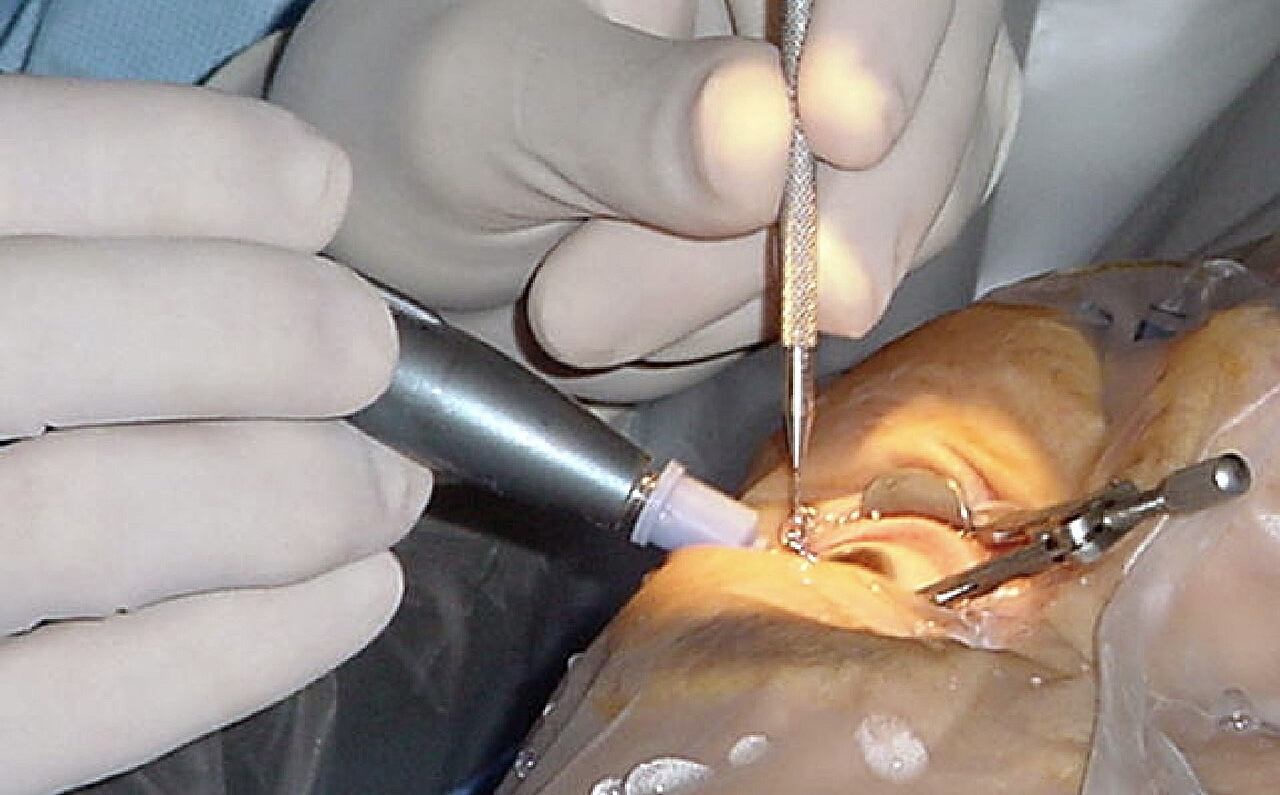
The Plateau State government says 100 patients will benefit from free cataract surgeries as part of activities to commemorate the 2026 World Sight Day.
Nicholas Ba’amlong, Commissioner for Health, disclosed this on Monday in Jos while commemorating the 2026 World Sight Day, with the theme “Love Your Eyes.”
Mr Ba’amlong said the initiative was being implemented in collaboration with Sightsavers at the Federal Medical Centre, Wase, in Wase Local Government Area.
He stressed the importance of early detection and treatment of eye conditions, noting that residents would receive free checks and screening.
The commissioner said eye health is not an isolated health issue but closely connected to education, employment, productivity, independence, social participation and quality of life.
He said many eye conditions could be prevented, treated or managed when people have timely access to appropriate services.
Mr Ba’amlong said the Plateau government remained committed to strengthening eye health services and making eye care increasingly accessible to residents.
“We will continue to support the integration of eye health into the wider health system, strengthen treatment pathways, promote community awareness and encourage early detection and treatment of eye conditions,” he said.
Mr Ba’amlong added that government would also focus on people living in underserved and hard-to-reach communities.
“Our goal must be an eye health system where every person, regardless of age, gender, location or economic circumstances, has the opportunity to receive appropriate eye care,” he said.
He called for stronger collaboration among government, non-governmental organisations, health professionals, traditional and religious leaders, community organisations and other stakeholders to improve eye-health services.
Mr Ba’amlong urged residents to make eye health a personal and family priority by getting regular eye checks and seeking professional care whenever they notice changes in their vision.
The commissioner urged community leaders, teachers and religious leaders to promote accurate information on eye health and discourage harmful practices that could endanger people’s sight.
“Most importantly, let us not wait until a vision problem becomes severe before seeking help,” he said.
Mr Ba’amlong commended eye-health professionals and other healthcare workers for their dedication, urging them to continue providing compassionate and quality services.
World Sight Day is marked globally on October 8 to raise awareness about preventable causes of vision impairment and blindness and promote access to eye-care services.
(NAN)

-

 Health3 days ago
Plateau: Medical Women Association of Nigeria Marks Older Persons Day with Free Outreach
-
News4 days ago
PLASU Opens Doors to Global Investors at 2nd Inaugural Lecture
-
News3 days ago
MTN, Gates Foundation drive $25m AI digital health plan in Nigeria – Technology Times
-
News3 days ago
WAEC appoints Nigeria’s Dangut as Registrar, CEO