Health
NNMDA says funding challenges, infrastructure gaps slowing herbal medicine research, integration into healthcare

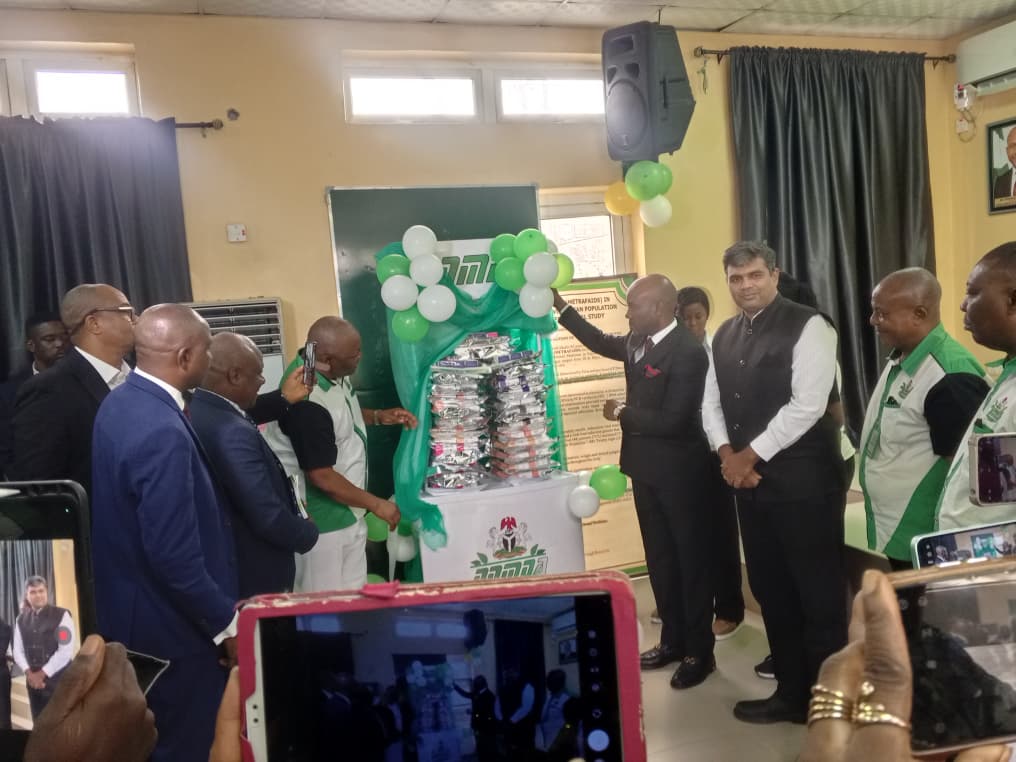

The Nigeria Natural Medicine Development Agency (NNMDA) has identified inadequate funding, weak research infrastructure and equipment shortages as major obstacles to developing and integrating herbal medicine into Nigeria’s healthcare system.
The Director-General of the agency, Martins Emeje, disclosed this on Tuesday during a one-day working visit by the Minister of Innovation, Science and Technology, Kingsley Udeh, to the agency’s headquarters in Lagos.
Mr Emeje said the challenges have slowed efforts to validate traditional medicines scientifically and develop locally produced herbal products that can be safely incorporated into healthcare.

The NNMDA is Nigeria’s only trans-cultural medical research agency responsible for researching, developing and promoting natural medicines derived from the country’s biodiversity.
Funding and infrastructure challenges
According to Mr Emeje, the agency lacks adequate funding to acquire critical research equipment and expand its scientific infrastructure.

He also identified low public awareness of the agency’s activities, inadequate staffing and limited opportunities for capacity development as constraints affecting its operations.

The agency said it also needs to expand its research and development facilities, including experimental medicinal plant farms across the country’s six geopolitical zones, while strengthening pre-clinical and clinical studies needed to establish the safety and effectiveness of herbal medicines.
Mr Emeje further raised concerns over what he described as unclear guidelines for the clinical evaluation of herbal medicines and their integration into Nigeria’s healthcare system.
He added that traditional medicine knowledge continues to suffer from poor public perception despite Nigeria’s rich biodiversity and abundance of medicinal plants.
Call for clinical laboratory
The agency’s director-general said one of its most urgent needs is a clinical observation laboratory to support scientific evaluation of herbal medicines.
He also requested the construction of chalets to accommodate researchers who often work beyond normal office hours.
Responding, Mr Udeh acknowledged the agency’s request and said the ministry would explore alternative financing options instead of relying solely on government budget allocations.
“The clinical observatory lab, which has been one of the major needs of the agency that’s been brought to my attention, is something that even the DG has mentioned, and we are not talking about taking the responsibility to have it done by tomorrow,” Mr Udeh said.
“We are sitting down today to innovatively identify ways of accessing funds to have it done. It mustn’t be budgeted funds. From what we are doing here, stakeholders can support in doing it. Stakeholders from the private sector can support it. We can also access some grants and other funds that we can use to make this a reality.”
The minister added that some ‘stakeholders’ had already expressed willingness to support the agency’s work.
Nigeria-India collaboration
During the visit, India’s Consul in Lagos, Kannan Chockalingam, called for stronger collaboration between Nigeria and India in traditional medicine.
He said the partnership could focus on biodiversity conservation, quality assurance, scientific validation and innovation in herbal medicine.
According to him, innovation in traditional medicine involves applying modern scientific methods to validate and standardise existing indigenous knowledge, creating opportunities for research, product development and integration into national healthcare systems.
READ ALSO: Digital tools alone cannot fix Nigeria’s health system — Experts
Seven herbal products unveiled
The minister also unveiled seven locally developed herbal products designed for the management of conditions including cancer, hepatitis, peptic ulcers, high cholesterol, hypertension and male sexual health.
He commended Mr Emeje for his leadership and pledged to engage industry stakeholders to accelerate the commercialisation of the agency’s herbal products.
“We will engage industry leaders on how to get these products into the market,” Mr Udeh said.






Uganda’s Ministry of Health has urged the public to remain calm and vigilant following Nigeria’s confirmation of an Ebola case, clarifying that the infected woman’s transit through Uganda does not establish that she contracted the virus there.
In a public statement issued on Tuesday, the ministry said preliminary information indicated that the Nigerian woman travelled to eastern Democratic Republic of the Congo (DRC) for business and passed through Uganda in early October without showing symptoms.
She reportedly developed symptoms after arriving in Nigeria, where authorities have confirmed an Ebola infection.
“The location of exposure remains under investigation,” the ministry said, adding that travel through Uganda alone was insufficient to establish where the infection occurred.
The clarification comes as Nigeria intensifies its response to the confirmed case in the Federal Capital Territory (FCT), with health authorities beginning contact tracing to identify people who may have been exposed to the virus.
PREMIUM TIMES reported that Nigeria’s Coordinating Minister of Health and Social Welfare, Muhammad Pate, confirmed the case on Tuesday. The patient is receiving treatment in isolation at a private hospital in the FCT, while 44 close contacts, including healthcare workers, patients, caregivers and travel contacts, have been identified.

Active cases
The Ugandan health ministry said it had no confirmed active Ebola cases as of the time of its statement.
It also said the Nigerian government had yet to provide detailed information about the woman’s travel itinerary and clinical history, which it said would help guide further investigations and any necessary contact tracing.
The Ugandan health ministry said it was working with relevant agencies to strengthen screening and public health controls at points of entry, following the development.
It added that limited provisions had been maintained for humanitarian and diplomatic movements.
The ministry urged residents to practise regular handwashing and use sanitiser as part of efforts to reduce the risk of infection. It also pledged to provide verified updates through its official communication channels.
Regional outbreak
Nigeria’s confirmed case comes amid an ongoing Ebola outbreak linked to the Bundibugyo virus in the DRC, with infections also reported in other countries.
Kenya, which confirmed its first imported case in early October, reported a ninth case on Tuesday. Its health ministry said all nine cases belonged to one known cluster, with the eight surviving patients responding well to supportive care.
The first Kenyan patient had travelled from the DRC through Uganda before arriving in Nairobi. The development has heightened regional concerns about the movement of the virus across borders.
Uganda also recorded Ebola infections earlier in 2026 but subsequently declared its outbreak over after completing the required period without a new confirmed case.
Nigeria’s current case has renewed attention on the risks posed by international travel during an outbreak, as public health authorities work to establish the source of infection and prevent further transmission.
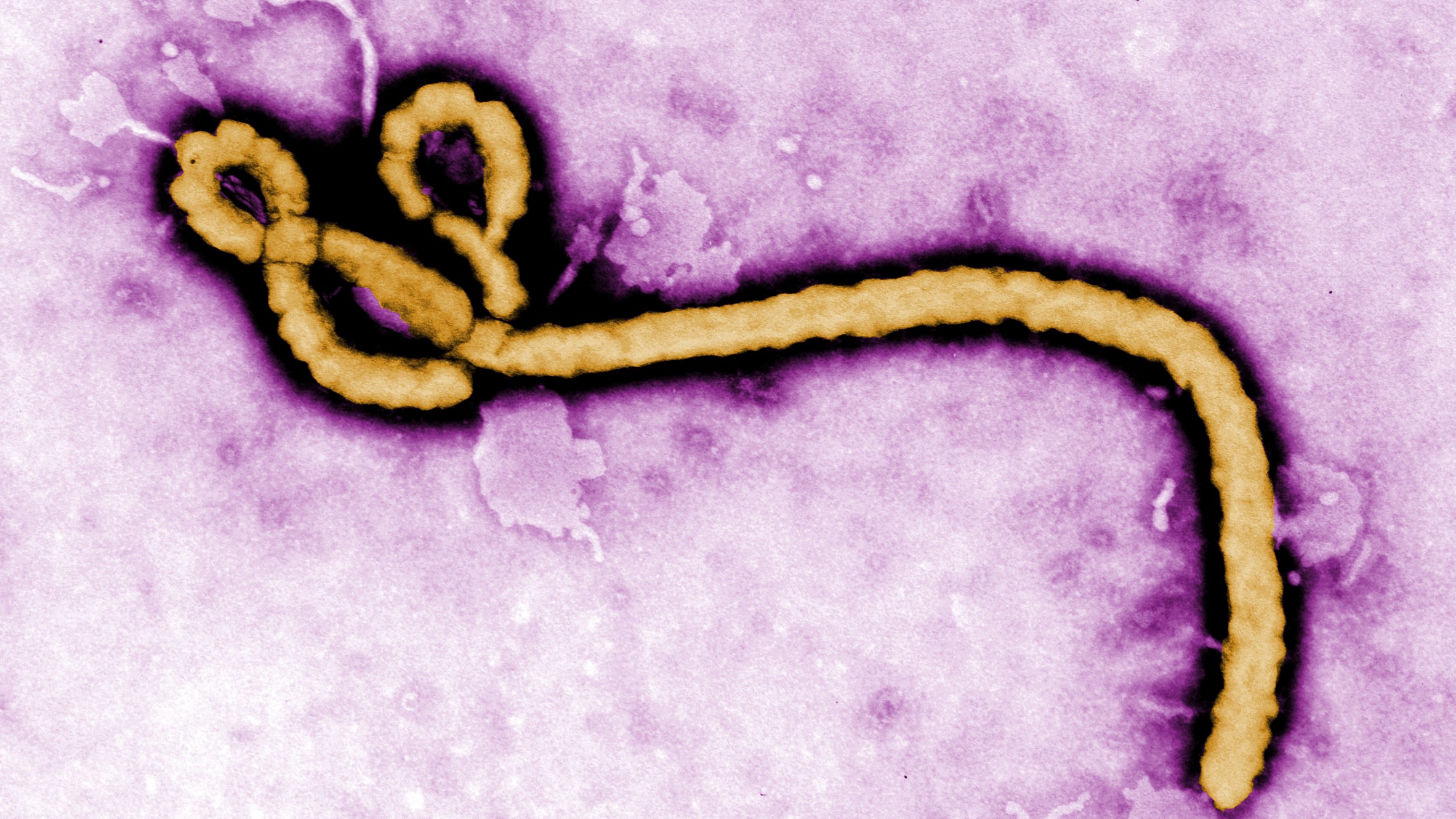
Ebola spreads through direct contact with the blood or other bodily fluids of an infected person, or with contaminated materials. Symptoms can include fever, headache, severe weakness, vomiting and diarrhoea.
Health authorities have advised the public to maintain good hand hygiene, avoid contact with the bodily fluids of suspected cases and promptly report possible exposure to public health officials.
Investigations into the Nigerian case and the circumstances surrounding the patient’s travel remain ongoing.
Discover more from Premium Times Nigeria
Subscribe to get the latest posts sent to your email.
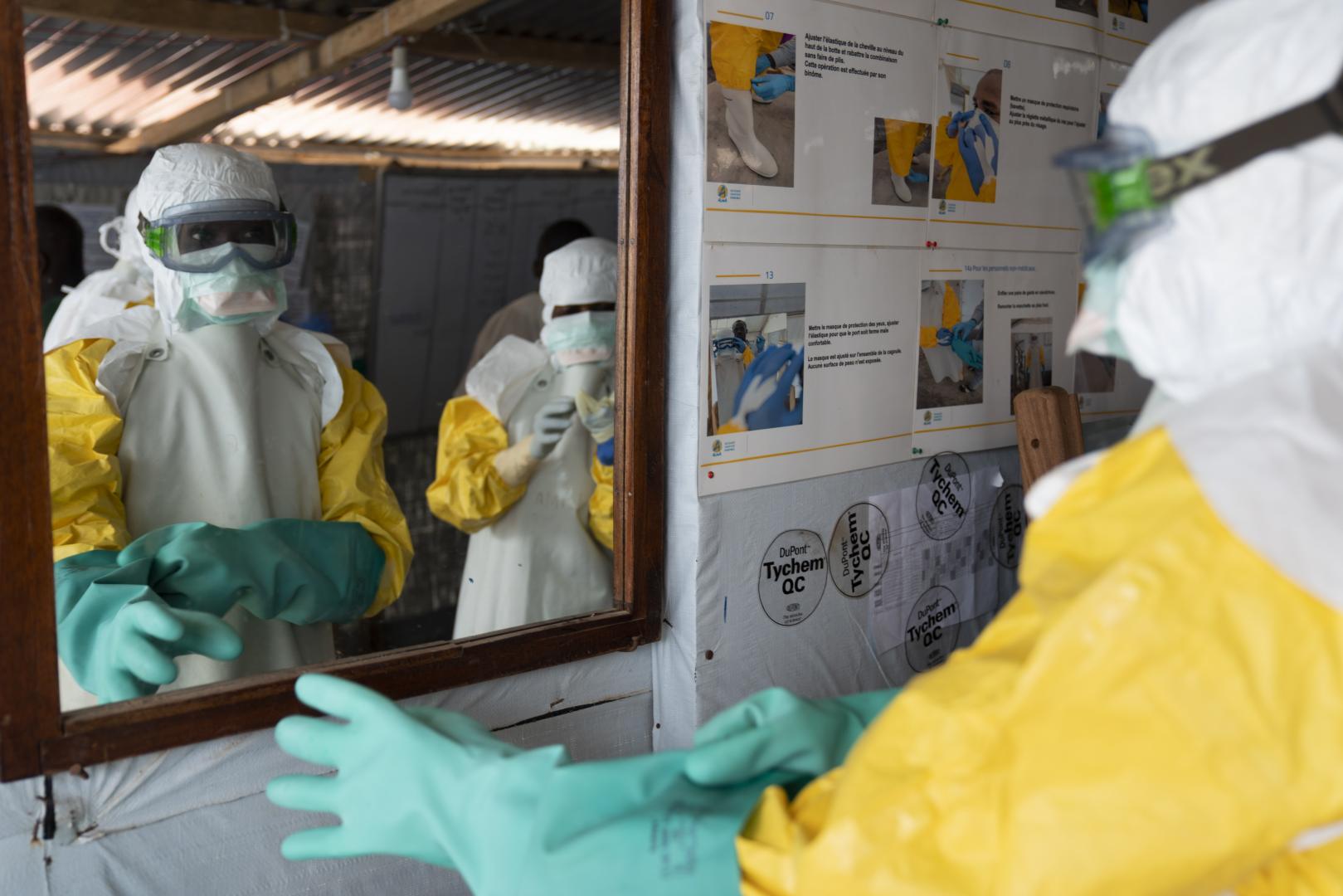
Kenya has confirmed a ninth case of Ebola, with health authorities saying all eight surviving patients are improving.
The latest Kenyan case involves a 24-year-old man who is a close relative of the first patient. He developed symptoms while in quarantine and tested positive on 19 October, according to the Kenyan Ministry of Health.
In a statement published on its X account on Tuesday and signed by Patrick Amoth, the Director-General for Health, the ministry said all nine cases belonged to one known cluster, with no evidence of transmission beyond the group.
Kenya’s first patient was a 40-year-old man who travelled from the Democratic Republic of the Congo (DRC) through Uganda before arriving in Nairobi on 3 October. He died at a Nairobi hospital on 5 October.
Treatment and contact tracing
The ministry said the eight surviving patients were stable and responding well to supportive care. It added that it had received 500 doses of medicine to support treatment for confirmed patients.
Contact tracing has also progressed, with 134 of the 135 identified contacts (99.3 per cent) traced and placed in quarantine.
The ministry said contacts who entered quarantine on 6 October and remain symptom-free would complete their 21-day monitoring period and begin returning home from 25 October.
It added that authorities had distributed protective equipment, diagnostic kits, and sample-collection materials to high-risk counties, and established a dedicated laboratory at Kenyatta National Hospital to support testing and prevent disruption to other hospital laboratory services.
Kenya, it noted, has not imposed restrictions on travel, trade or public gatherings. The cases in Kenya are linked to the ongoing Ebola outbreak in the DRC, where the Bundibugyo virus has caused thousands of infections and deaths.
WHO reported more than 8,700 confirmed cases and more than 4,200 deaths in the DRC as of 6 October, with transmission continuing across dozens of health zones.
Nigeria confirms first case
The Kenyan update comes as Nigeria confronts its own Ebola infection, with the federal government confirming the first case in Abuja on Tuesday.
PREMIUM TIMES reported that the patient was a woman who arrived in Nigeria on an international flight from Uganda. She is receiving treatment in isolation at a private hospital in the Federal Capital Territory.
In a statement signed by the Coordinating Minister of Health and Social Welfare, Muhammad Pate, the federal government said it had begun contact tracing and identified 44 close contacts, including healthcare workers, patients, caregivers, and travel contacts.
The government urged healthcare facilities nationwide to remain vigilant, promptly isolate suspected cases, maintain strict infection prevention measures and report suspected infections to public health authorities.
The development has heightened concerns about cross-border transmission, particularly as the outbreak in East and Central Africa coincides with frequent international travel and movement between countries.
Nigeria’s response includes surveillance, laboratory testing, isolation and contact tracing to identify possible infections and limit further transmission.
Discover more from Premium Times Nigeria
Subscribe to get the latest posts sent to your email.
-

 News3 days ago
Euromatch NPFL: Matchday 9 results
-
News4 days ago
NUCAP: Nigeria targets 20 million people with 3,700 telecom towers – Technology Times
-
News3 days ago
Meta removes language that raised scraping and AI training concerns
-
News3 days ago
No agenda, no rush, no leaving San Francisco: Benchmark’s partners on investing in a frenzied market