Health
Donor cuts, govt inaction push HIV patients towards death, uncertainty in Rivers, Akwa Ibom (I)


Grace* spent years protecting two things: her health and a secret she never wanted exposed.
Every few months, a community health worker discreetly delivered her antiretroviral medicines to her home in Uyo, Akwa Ibom State. The arrangement allowed the bank worker to remain healthy without risking the questions that might follow if neighbours, customers, colleagues or fellow worshippers saw her entering an HIV treatment clinic.
That routine ended in February 2025.
Following international funding cuts that forced community drug delivery programmes to shut down, Grace had only one option: collect her medication herself from a treatment facility.
Someone recognised her walking into the HIV clinic, and within days, whispers spread through her church and neighbourhood.

According to her family, the stigma that followed was devastating. Ashamed and fearful of further humiliation, Grace stopped returning to the clinic for treatment.
By April this year, she was dead.
Her relatives believe her death was not simply the result of HIV, but of the collapse of the support system that had quietly kept her alive for years.
“If that support had remained,” her sister, Mary*, told PREMIUM TIMES, “she would still have been taking her drugs.”
Grace’s experience, PREMIUM TIMES found, mirrors those of many other people living with HIV in Akwa Ibom and Rivers states whose lives were thrown into uncertainty after international donor-funded community HIV programmes were scaled back in early 2025.
PREMIUM TIMES reported in January 2025 that the President of the United States of America, Donald Trump, halted HIV Funding for Nigeria and other developing countries.
Across both states, patients, peer counsellors and community advocates described a response system that suddenly lost many of the people who had ensured patients remained on treatment, received psychosocial support and overcame the stigma that still surrounds HIV.
For Mercy*, another person living with HIV in Akwa Ibom, the withdrawal of donor-supported workers disrupted services and also created fear.
“The first thing that came to my mind was uncertainty,” she said. “Everything happened suddenly. Nobody prepared us.”
When she arrived at her treatment facility after the funding cuts, many of the familiar faces who had guided patients through counselling, documentation and treatment were gone.
“You asked questions, and they told you, Your people are not here.”

Those ‘people’, she explained, were the adherence counsellors, laboratory personnel, peer supporters and other workers funded through donor-supported programmes who guided patients through documentation, counselling and treatment.
Without them, many patients were left confused about how to navigate the clinics.”They knew us, followed up when we missed appointments and treated us with compassion,” Mercy said.
She fears that replacing donor funding with government ownership alone will not be enough unless authorities invest in trained personnel and patient-centred services.
“Medication alone is not enough. People also need encouragement. They need someone who genuinely cares whether they survive,” she said.
The withdrawal of donor support also ended programmes that many patients described as the backbone of HIV care outside hospitals.
Home-based care stopped, community HIV testing reduced, support groups that helped people cope with stigma were no longer available, and routine follow-up for patients who missed clinic appointments ceased.
When the support system collapsed
For Johnson*, a former community referral officer in Rivers State and a person living with HIV, the disappearance of home-based drug delivery remains one of the greatest losses in HIV response.
Every day after work, he travelled across communities delivering antiretroviral medicines to patients who could not safely visit treatment centres because of work schedules, lack of transport fare or fear of being recognised.
The programme ensured they never missed treatment. However, that support no longer exists. “Many of those people are no longer coming to the facilities, and we don’t know where some of them are anymore,” Johnson said.
According to him, patients who repeatedly miss appointments are eventually classified as “lost to follow-up”, a development that worries health workers and people living with HIV because interrupted treatment can lead to viral rebound, illness, increased transmission and, ultimately, preventable deaths.
Elizabeth Udo, Akwa Ibom State Coordinator of the Network of People Living with HIV/AIDS in Nigeria (NEPWHAN), said the organisation has witnessed similar experiences across the state since donor-funded community HIV programmes began to shrink.
“We have lost people,” she told PREMIUM TIMES.
“They did not die because HIV treatment stopped completely. Many died because the support systems that helped them remain healthy disappeared.”

According to Ms Udo, community-based HIV care extended far beyond delivering medicines.
Donor-funded programmes supported home visits, appointment reminders, adherence counselling, support groups, adolescent education, stigma-reduction campaigns and interventions for survivors of gender-based violence. They also helped patients manage side effects from medications and other chronic health conditions.
“We used to receive support for care and support programmes, adolescent education, stigma reduction, home visits and community meetings,” she said. “Today, all of those activities have stopped.”
She warned that the consequences may take years to emerge fully.
“When people stop coming for treatment, which will suppress their viral load, they don’t disappear from the epidemic. They actually disappear from the health system and may keep spreading the virus, thus increasing the number of people infected,” she said.
For Victoria*, a youth advocate living with HIV in Rivers State, the greatest casualty was not medicine but hope. She recalled how support groups once brought together dozens of young people living with HIV every month.
They discussed treatment, relationships, stigma, careers and mental health.
Peer mentors themselves living with HIV reassured newly diagnosed patients that the virus was no longer a death sentence.
“If I can live with HIV and still work in this hospital, you can also live your life,” Victoria said they often told frightened adolescents.
Those meetings stopped after donor funding was withdrawn. Members tried contributing money to sustain the meetings. It did not last. “Many of those who contributed had also lost the stipends they earned working as peer mentors,” she said.
Attendance dropped. “So did the hope those meetings gave many young people,” she added.
Peter*, another person living with HIV in Rivers State, said the uncertainty surrounding HIV funding has also fuelled stigma.

He recalled hearing people mock those living with HIV after reports emerged that the US was reviewing parts of its international health assistance. “Now that your drugs have been stopped, let’s see how all of you will survive.”
Although years of advocacy had strengthened him personally, he worries about newly diagnosed patients who are still struggling to accept their status.
“I have outgrown stigma, but many people haven’t,” he said.
Peter recalled accompanying another patient to a treatment facility where someone from his neighbourhood, unaware that he was also living with HIV, warned him not to sit in the waiting area reserved for HIV patients.
For many patients, he said, such encounters reinforce the fear that discourages people from testing for HIV or remaining in treatment.
Warnings went unheeded
While patients and advocates struggled to cope with the consequences of shrinking donor support, community organisations say they repeatedly warned the Rivers State Government that the transition away from donor funding required urgent planning.
A Rivers State coordinator of NEPWHAN, who requested anonymity for fear of victimisation, told PREMIUM TIMES that the network, alongside other community-based organisations, repeatedly appealed to the state government to be proactive, following the gradual withdrawal of international donor support, but received little response.

“My collaboration with the government has not been very strong,” she told PREMIUM TIMES. “We have written letters. We have sought meetings. We have continued to ask: now that donor partners are leaving, what is the state’s plan? Unfortunately, we have not seen the urgency this situation requires.”
According to her, donor-supported organisations such as the Institute of Human Virology Nigeria had funded hundreds of personnel working across treatment facilities in Rivers State for years.
She said many were not doctors or nurses but adherence counsellors, peer mentors, case managers, community trackers and laboratory support staff who formed the backbone of HIV care.
“They were the people following up patients, counselling them, ensuring they collected their medicines and giving them hope,” the Rivers State NEPWHAN coordinator said.
When donor support was reduced, many of those workers lost their jobs.
She said more than 300 workers engaged through donor-supported programmes had been affected, including 185 field personnel who worked directly with people living with HIV in communities.
Their departure, she said, has left overstretched government health workers struggling to fill the gap.
“People now go to facilities and spend the whole day waiting. Sometimes there is nobody to attend to them immediately. Even taking viral load samples has become difficult,” she said.
She stressed that the problem was not the commitment of government-employed health workers but the shortage of personnel.
Beyond clinical care, she said the funding cuts have also pushed many people living with HIV deeper into poverty.
Many of the peer counsellors and community workers who lost their stipends relied on the income not only to support their families but also to feed properly and maintain their own health.
“There are many people in our network who struggle even to pay transport fares to the clinic. Government needs to step in now because this is no longer just a donor issue. It is about protecting the health of Rivers people.”
She warned that if state governments fail to replace the services once funded by development partners, years of progress in HIV treatment and prevention could be reversed.
Beyond lives lost, the neglect continues to cause new infections. According to the Federal Ministry of Health and Social Welfare’s State of the Health of the Nation report 2025, Nigeria recorded 102,025 new HIV infections across the 36 states and the Federal Capital Territory.
Of those new infections, Rivers State came second with 6,287, while Akwa Ibom State came fourth with 5,413.
The figures are particularly worrying given the existing HIV burden in both states.
A recent report by the National Agency for the Control of AIDS (NACA), previously reported by PREMIUM TIMES, showed that Rivers has the highest number of people living with HIV in Nigeria, followed by Benue, while Akwa Ibom ranks third.
Donor support shrank, govt ownership failed to grow
The experiences of Grace, Mercy, Johnson, and Victoria and dozens of others interviewed by PREMIUM TIMES, point to a crisis that extends beyond individual hardship.
Interviews with people living with HIV, peer counsellors, community advocates, health workers and officials in Rivers and Akwa Ibom, supported by an analysis of budget documents, financial records and state HIV laws, indicate that the reduction in international donor support exposed longstanding weaknesses in the HIV response of both states.
For years, much of Nigeria’s HIV programme has relied on international partners, particularly the US President’s Emergency Plan for AIDS Relief (PEPFAR) and the Global Fund, to finance critical services ranging from HIV testing and laboratory support to adherence counselling, community drug distribution, home-based care and psychosocial support.
That dependence became more apparent in early 2025, when the US reviewed and terminated thousands of foreign assistance contracts funded by the US Agency for International Development (USAID) and the State Department as part of a restructuring of overseas assistance.
Although support for life-saving antiretroviral medicines was later restored, many community-based HIV interventions that kept patients connected to treatment did not immediately return.
Health experts say those services were never intended to replace government responsibility. Rather, they were designed to complement state health systems while governments gradually assumed greater ownership of the HIV response.
A response built on donor dependence
For more than two decades, Nigeria’s HIV response has been one of Africa’s biggest public health success stories.
Millions of people who would otherwise have died now live healthy lives because they have uninterrupted access to life-saving antiretroviral therapy. Mother-to-child transmission has declined, viral suppression has improved, and HIV-related deaths have fallen.
Behind those gains is a reality that is less talked about, which is the fact that Nigeria’s HIV programme has depended overwhelmingly on international donors.
An analysis by NACA, titled ‘National AIDS Spending Assessment in Nigeria (2019-2021)’, shows that external partners financed 95.97 per cent of the country’s HIV response in 2021. By comparison, public funding from the federal and state governments accounted for just four per cent, while domestic corporations and non-profit organisations contributed 0.03 per cent.

According to NACA, since 2005, Nigeria has attracted more than $6 billion for HIV programmes, with four out of every $5 coming from external partners, principally PEPFAR and the Global Fund.
Private sector contribution has remained marginal, accounting for less than two per cent of total financing. That financing architecture transformed Nigeria’s HIV response.
PEPFAR emerged as the single largest financier of HIV care and treatment in Nigeria, spending $181 million on treatment services alone in 2021. During the same period, the Global Fund financed substantial portions of HIV care, laboratory services, programme management, health systems strengthening and HIV testing.
Donor funding extended far beyond the procurement of medicines. It paid for adherence counsellors who encouraged patients to remain on treatment, peer mentors who supported newly diagnosed clients, community workers who traced people who missed clinic appointments, laboratory personnel, data officers, home-based drug delivery teams, community testing campaigns and psychosocial support groups.
Those were the same services that Grace relied upon to receive her medication discreetly, and the same interventions that Joy, Johnson, Victoria and Peter told PREMIUM TIMES had disappeared after donor-supported programmes were scaled back.
Recognising the risk of this dependence, the federal government, through NACA, has in recent years pursued what it describes as an HIV Sustainability Agenda, a transition strategy aimed at shifting ownership of HIV programmes from international partners to Nigerian governments.
The strategy envisions state and federal governments gradually taking responsibility for financing and managing HIV programmes while development partners provide technical support rather than directly implementing services.
NACA says the objective is a ‘new business model’ in which the government assumes dominant responsibility for managing and financing the national HIV response.
PREMIUM TIMES also reported that in June, the Nigerian government unveiled a new HIV plan, outlining a transition from donor-supported interventions to a domestically financed and government-led response to HIV/AIDS.
That transition has become increasingly urgent, especially as the World Health Organisation has targeted to end AIDS as a public health threat by 2030. UNAIDS estimates that the world remains significantly short of the funding needed to achieve global HIV targets.
For Nigeria, the challenge became more immediate in early 2025 after the US restructured its foreign assistance programmes, leading to the termination of thousands of USAID- and State Department-funded contracts worldwide.
PREMIUM TIMES reported in March last year that the US government ended 83 per cent of USAID programmes and cancelled 5,200 contracts, which included HIV intervention programmes and contracts.
Although waivers later ensured the continuation of life-saving antiretroviral medicines through PEPFAR, many community-based interventions, including outreach testing, peer support, community drug distribution, adherence counselling and patient follow-up, were disrupted.
The funding uncertainty exposed a question Nigeria had postponed for years: what happens when donors step back before governments are ready to take over?
Editor’s Note: * The names marked with asterisks have been changed to protect the privacy and identities of vulnerable individuals featured in this report.
This reporting was supported by the Centre for Journalism Innovation and Development (CJID).




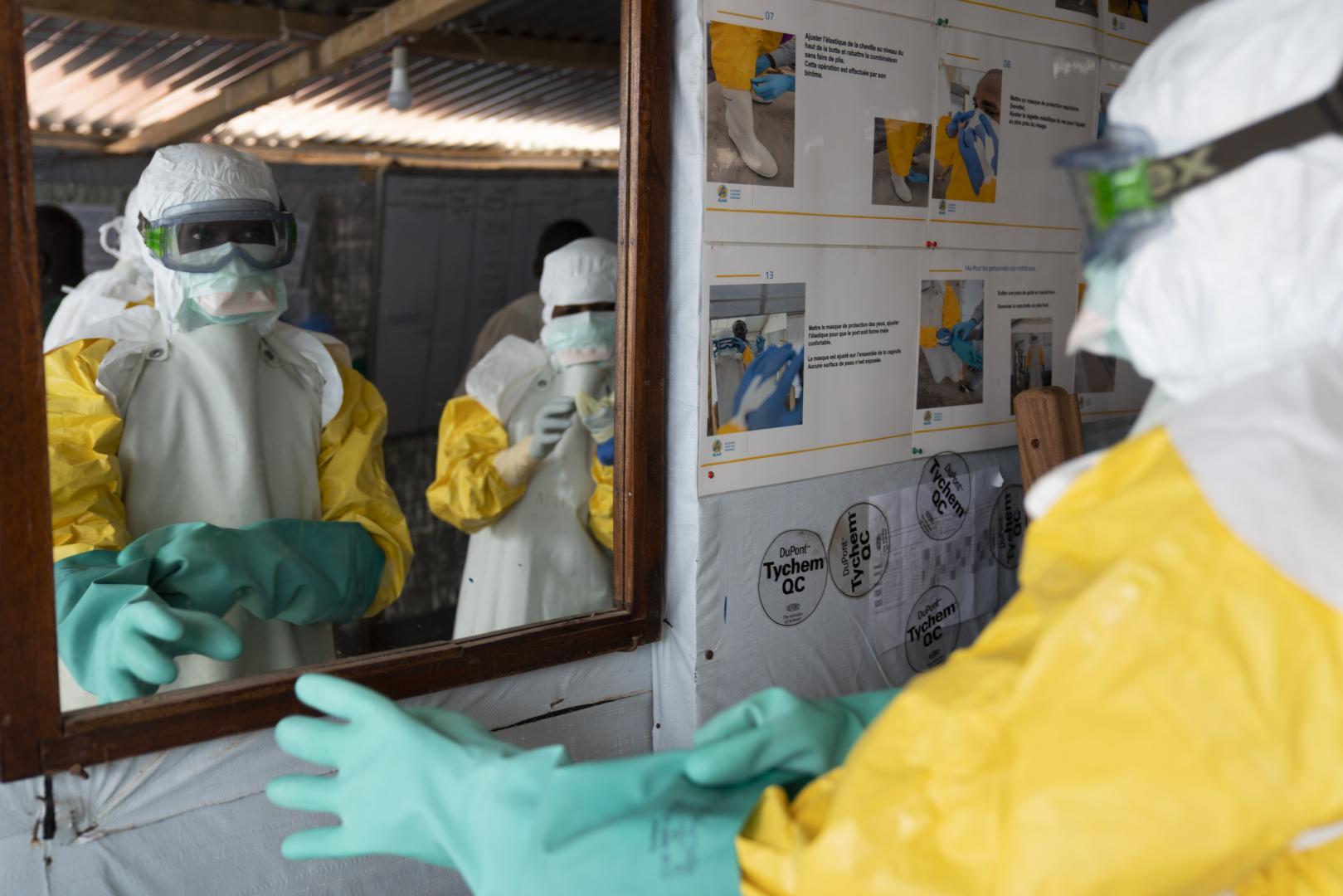
Kenya has confirmed a ninth case of Ebola, with health authorities saying all eight surviving patients are improving.
The latest Kenyan case involves a 24-year-old man who is a close relative of the first patient. He developed symptoms while in quarantine and tested positive on 19 October, according to the Kenyan Ministry of Health.
In a statement published on its X account on Tuesday and signed by Patrick Amoth, the Director-General for Health, the ministry said all nine cases belonged to one known cluster, with no evidence of transmission beyond the group.
Kenya’s first patient was a 40-year-old man who travelled from the Democratic Republic of the Congo (DRC) through Uganda before arriving in Nairobi on 3 October. He died at a Nairobi hospital on 5 October.
Treatment and contact tracing
The ministry said the eight surviving patients were stable and responding well to supportive care. It added that it had received 500 doses of medicine to support treatment for confirmed patients.
Contact tracing has also progressed, with 134 of the 135 identified contacts (99.3 per cent) traced and placed in quarantine.

The ministry said contacts who entered quarantine on 6 October and remain symptom-free would complete their 21-day monitoring period and begin returning home from 25 October.
It added that authorities had distributed protective equipment, diagnostic kits, and sample-collection materials to high-risk counties, and established a dedicated laboratory at Kenyatta National Hospital to support testing and prevent disruption to other hospital laboratory services.
Kenya, it noted, has not imposed restrictions on travel, trade or public gatherings. The cases in Kenya are linked to the ongoing Ebola outbreak in the DRC, where the Bundibugyo virus has caused thousands of infections and deaths.
WHO reported more than 8,700 confirmed cases and more than 4,200 deaths in the DRC as of 6 October, with transmission continuing across dozens of health zones.
Nigeria confirms first case
The Kenyan update comes as Nigeria confronts its own Ebola infection, with the federal government confirming the first case in Abuja on Tuesday.
PREMIUM TIMES reported that the patient was a woman who arrived in Nigeria on an international flight from Uganda. She is receiving treatment in isolation at a private hospital in the Federal Capital Territory.
In a statement signed by the Coordinating Minister of Health and Social Welfare, Muhammad Pate, the federal government said it had begun contact tracing and identified 44 close contacts, including healthcare workers, patients, caregivers, and travel contacts.
The government urged healthcare facilities nationwide to remain vigilant, promptly isolate suspected cases, maintain strict infection prevention measures and report suspected infections to public health authorities.
The development has heightened concerns about cross-border transmission, particularly as the outbreak in East and Central Africa coincides with frequent international travel and movement between countries.
Nigeria’s response includes surveillance, laboratory testing, isolation and contact tracing to identify possible infections and limit further transmission.
Discover more from Premium Times Nigeria
Subscribe to get the latest posts sent to your email.
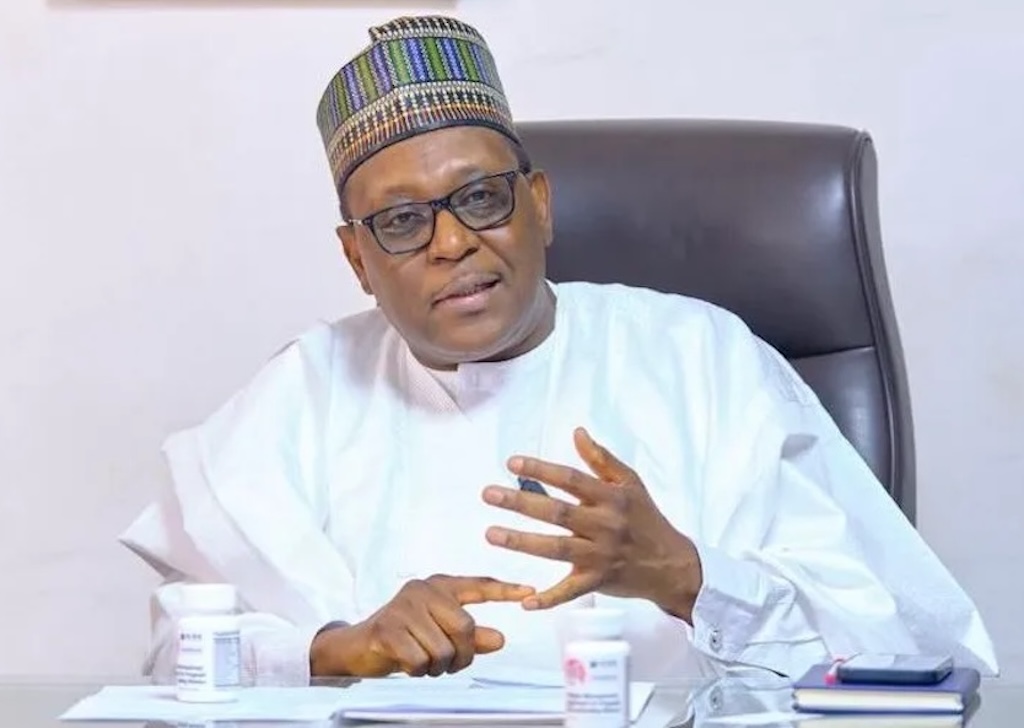
The 44 people identified as contacts of Nigeria’s confirmed Ebola patient will remain in isolation for at least three weeks.
The Coordinating Minister of Health and Social Welfare, Muhammad Pate, disclosed this Tuesday evening during an NTA interview, shortly after the ministry announced Nigeria’s first confirmed Ebola case in the Federal Capital Territory (FCT).
Mr Pate said authorities are currently treating the case as an imported infection and not community transmission.
“At this moment, we are treating it as an imported case, not community transmission,” he said, adding that the situation could change if the virus begins to spread beyond the known contacts.
He said the 44 contacts, including healthcare workers, patients, caregivers and travel contacts, are being isolated at a designated facility in Abuja. At the same time, public health teams determine who may have been infected.
“They remain in communication with their families by phone and other ways, but not physical contact, until we clarify who is infected and who is not,” he said.
Travel manifest obtained
The minister said Nigeria had been conducting risk-based surveillance at points of entry for the past five months through the Nigeria Centre for Disease Control and Prevention (NCDC) and Port Health Services.
He said the aviation industry had also been an important partner in the surveillance effort.
According to Mr Pate, authorities obtained the infected passenger’s travel manifest, which is helping them identify people who may have been exposed.
He said the patient was asymptomatic when she entered Nigeria and developed symptoms after arriving in the country.
“This makes it less likely that the travel itself exposed folks at risk,” Mr Pate said, while noting that authorities were still investigating the circumstances surrounding her entry into Nigeria.
The patient, an unidentified woman who recently arrived in Nigeria on an international flight from Uganda, is currently in isolation and receiving medical care at a private hospital in the FCT.
Symptoms
Mr Pate urged Nigerians and health workers to watch for symptoms including fever, headache, nausea, vomiting, body aches, and severe muscle pain.
He said the Ebola variant involved in the current outbreak is different from the Sudan and Zaire variants, adding that bleeding could occur but is less prominent than with some other Ebola variants.
The case comes amid an ongoing regional outbreak of Bundibugyo Ebola virus, which the NCDC has been monitoring since the outbreak was reported in the Democratic Republic of the Congo (DRC).
The minister also stressed the importance of travel history when assessing suspected cases, particularly among people who have recently travelled to eastern Africa.
He said the Abuja patient had no confirmed travel to the DRC, so authorities presumed she was likely infected in Uganda.
READ ALSO: Ebola in Abuja: 10 things Nigerians should know about the deadly virus
“We presume it is likely that it was picked up in Uganda,” he said, stressing the complexity of tracing the source of infectious diseases.
Regional outbreak continues
The Nigerian case comes amid an ongoing Ebola outbreak in the DRC, where the disease has spread across several provinces.
WHO reported more than 8,700 confirmed cases and more than 4,200 deaths in the DRC as of 6 October, with transmission continuing across dozens of health zones. The outbreak is caused by the Bundibugyo virus.
Kenya reported its first imported case on 6 October: a Kenyan citizen who had been living in the DRC and travelled to Kenya via Uganda.
On 20 October, Kenyan authorities confirmed a ninth case involving a close family member of the first patient.
Uganda, from which the Nigerian patient recently travelled, recorded 20 cases between May and June 2026. The country subsequently ended its outbreak after completing the required 42-day period without a new confirmed case.
Discover more from Premium Times Nigeria
Subscribe to get the latest posts sent to your email.
-

 News2 days ago
Euromatch NPFL: Matchday 9 results
-
News3 days ago
NUCAP: Nigeria targets 20 million people with 3,700 telecom towers – Technology Times
-
News4 days ago
Nigeria needs stronger collaboration ‘to shape internet governance’ – Technology Times
-
News4 days ago
Gunmen storm Plateau mining site, kill two persons