News
Today is the last day to apply to speak at Disrupt 2026

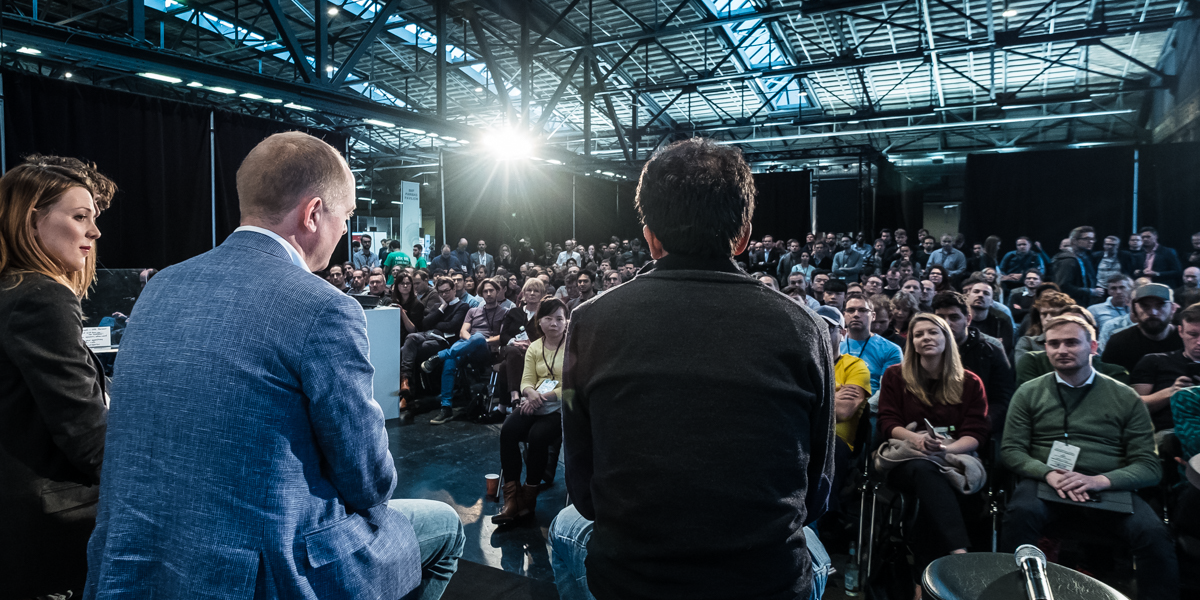
TechCrunch Disrupt 2026 returns October 13–15 to Moscone West in San Francisco — and applications to speak are open for just a few more hours.
We’re inviting founders, investors, operators, and technology experts to apply for a chance to take the stage at one of the most influential tech events of the year.
More than 10,000 startup and VC leaders will gather at Disrupt 2026 to explore what’s next in AI, scaling, fintech, infrastructure, robotics, and the future of innovation.
Applications close tonight at 11:59 p.m. PT. Apply now to share your expertise and help shape the conversations defining the tech industry.
Pick your session format
We’re looking for high-impact speakers to lead one of two session types:
Breakout Sessions — A 30-minute talk (up to 4 speakers, including a moderator) with a 20-minute audience Q&A. Capacity: 100 attendees.
Roundtables — A 30-minute speaker-led group discussion, designed for up to 40 participants. No slides or AV — just insight and conversation.

How the application process works
Each application will be carefully reviewed by our editorial team. Finalists will be selected for the Audience Choice vote — where TechCrunch readers choose which sessions make it to the Disrupt stage. Learn more about speaking on Disrupt’s Call for Content page.
Lead the conversation at Disrupt 2026
If you have actionable insights, real-world experience, and a desire to contribute meaningfully to the tech ecosystem — we want to hear from you. Submit your application before today’s deadline.

When you purchase through links in our articles, we may earn a small commission. This doesn’t affect our editorial independence.









The African Action Congress, AAC, presidential candidate, Omoyele Sowore, has blasted President Bola Tinubu and the All Progressives Congress, APC, over what he described as a fake show of support in Kaduna during the APC campaign flag-off.
In a post on his verified X handle on Saturday, Sowore said the APC and Tinubu want Nigerians to mistake a packed stadium for nationwide support.
According to him, the Ranchers Bees Stadium in Kaduna holds just 5,000 people, adding that supporters were transported in from across Nigeria to fill it.
"You packed 5000 people in Kaduna and called it nationwide support? The APC and the Tinubu government want Nigerians to mistake a 'packed' stadium for nationwide support.
"Ranchers Bees Stadium in Kaduna holds just 5,000 people, even at that, supporters were transported in from across Nigeria to fill it," Sowore said.
The human rights activist stressed that President Tinubu will still lose the 2027 presidential election despite the alleged staged crowd.
"In 2027, President Bola Tinubu will still lose the election," he added.
You packed 5000 people in Kaduna, called it nationwide support – Sowore mocks Tinubu, APC
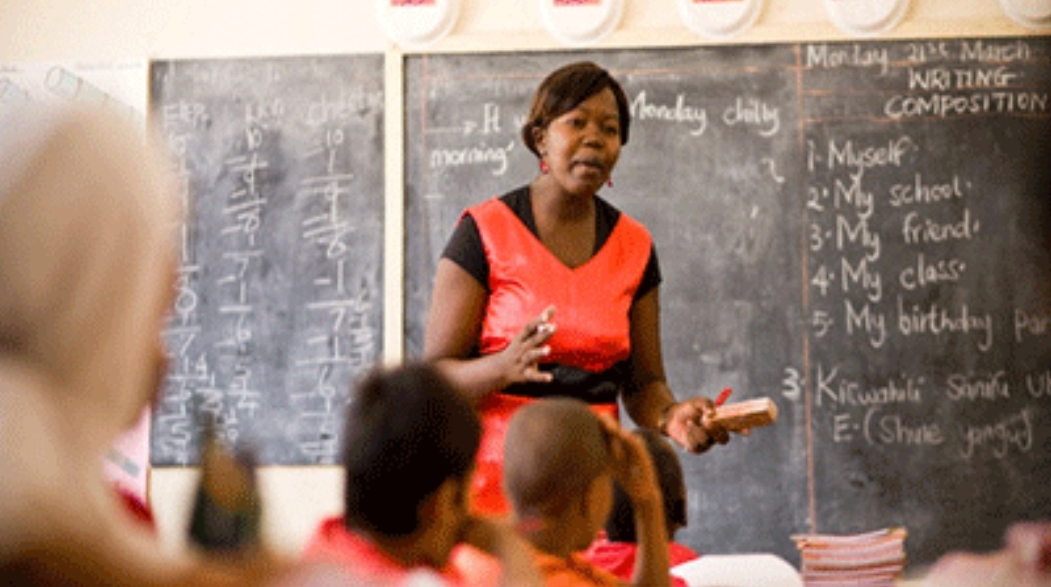
Do More Initiative, a non-governmental organisation (NGO), has called on the federal government to review the educational curriculum to address unemployment in Nigeria.
Deborah Mshelia, the executive director of the NGO, made the call at an event it organised on Saturday in Jos, tagged “The Upcycle Exhibition”.
Ms Mshelia, an architect, said that such a move would not only create employment opportunities for young people but also boost the nation’s revenue.
The executive director, who said that most developed countries relied on skills and technology to boost their economies, added that the needed reform of Nigeria’s education curriculum would align with current realities.
She particularly said that Nigeria’s education system should be geared towards producing critical thinkers, job creators and problem solvers.
“I think our educational curriculum at all levels should be reviewed to meet current realities.
“I am blessed because in school of architecture, we weren’t just taught how to construct buildings, but how to think. I have been able to apply that principle to many other things.
“And I think that’s the way our education system should go. The system should produce people that can critically think and solve problems using local solutions.
“The curriculum should focus on skill acquisition; let’s see young people doing things with their hands and using their talents to create jobs at all levels,” she said.
Ms Mshelia also called on parents to encourage their wards to acquire other skills in addition to Western education.
“Parents need to seriously support their children to acquire other skills.
“Gone are the days when we think that our children are too weak to go and learn carpentry. This is why we are practically losing our local crafts in Nigeria.
“These same crafts are what other countries are exporting and boosting their economy through foreign exchange,” she said.
On the exhibition, Ms Mshelia said that her organisation, under the “School to Stuff” project, had trained and supported 10 young people to turn waste into wealth.
The executive director, who said that 20 applicants had initially been selected for the project, regretted that only 10 eventually turned up and participated.
“Waste management in Nigeria is a huge problem, and that’s why we trained these 10 young people and supported them to create wealth from the waste in their environment.
“We simply supported them to use their creativity to turn waste into wealth; that way, we are also solving the problem of unemployment and underemployment in Nigeria,” she said.
Ms Mshelia, who advised Nigerians to put their ingenuity to good use, also called on young people to shun all forms of social vices and be good ambassadors of Nigeria.
She, however, advised the government to initiate policies and programmes that would enable young people to put their skills to proper use.
(NAN)

-

 News2 days ago
Obi, Kwankwaso to hold Middle Belt Youth, Village Hall Meeting in Jos
-
News4 days ago
Blacksmith hits unicorn valuation after Sequoia leads Series C
-
News3 days ago
Handball President Jibril Saidu Ojih Explains Reasons Behind Introduction Of Transfer Fees For Nigerian Players
-
Entertainment3 days ago
FOGMMON PLATEAU CONGRATULATES EJIDIKE UGOCHUKWU (𝙈𝙞𝙣𝙨𝙩𝙧𝙚𝙡 𝙅𝙞𝙙) ON HIS APPOINTMENT AS NATIONAL PRESIDENT