Events
Bege Foundation Equips Local NGOs for Sustainable Growth and Donor Engagement


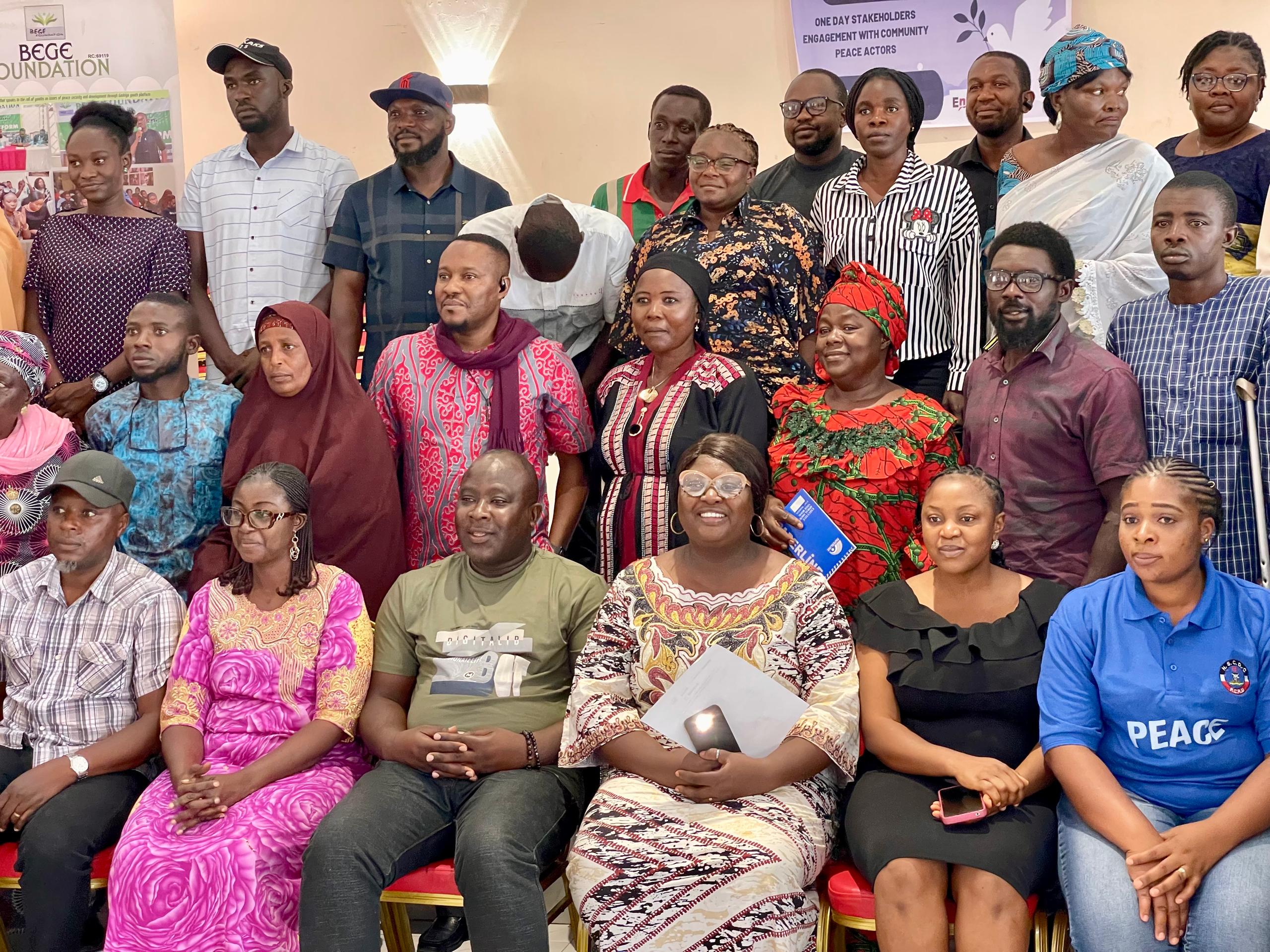
The Bege Foundation In collaboration with the Plateau Peace Practitioners Network (PPPN) on Friday 24th October 2025 held a one-day Organizational Capacity Building Workshop aimed at equipping non-governmental organizations (NGOs) with the knowledge and tools needed to strengthen their institutional systems, enhance documentation, and improve access to donor funding.
The training, held in Jos, focused on key areas such as organizational capacity assessment, identifying capacity needs and objectives, developing effective policies, and ensuring compliance with donor and government requirements.

In his welcome address, the Team Lead of Bege Foundation, Mr. Kenneth Attah, said the workshop was designed to help organizations better understand their internal systems and improve their chances of securing donor support.
“Many organizations struggle to access funding because they lack proper documentation and systems,” Atta explained. “This workshop will help participants strengthen their organizational structures and documentation processes so they can meet donor requirements and successfully attract funding.”
He expressed appreciation to participants for attending despite their busy schedules, adding that the session would be interactive and practical.
“By the end of this training, I believe every participant will return to their organization better equipped to follow due process and meet funding expectations,” he added.

Leading the training, peacebuilder and development expert Mr. Godwin Okoko said the workshop was prompted by the observation that several NGOs in Plateau State often miss out on donor opportunities due to inadequate institutional capacity.
“Over the years, we’ve seen that while Plateau has more than 100 NGOs working in peacebuilding and conflict prevention, many are unable to access donor grants,” Okoko noted. “The problem isn’t the lack of passion — it’s the absence of systems. Donors will not release funds to organizations that don’t have functional structures, policies, or compliance frameworks.”

He explained that the workshop, organized in partnership with the Plateau Peace Practitioners Network, was meant to prepare local organizations for upcoming grant opportunities by helping them understand and meet donor expectations.
“We are building the capacity of NGOs to ensure they have effective organizational systems, operational policies, and compliance with government laws on taxation, labor, and pensions. These are key requirements for any donor grant,” Okoko emphasized.
He added that the training served as both an enlightenment and preparatory platform to ensure that Plateau-based organizations are not left behind when new opportunities arise.
The Chairman of the Plateau Peace Practitioners Network, Mr. Nanmak D. Bali, described the capacity-building workshop as timely and a valuable partnership aimed at strengthening the network’s capacity. He noted that the initiative focuses on sharing knowledge and information that will contribute to the network’s overall growth, emphasizing that such collaboration embodies the true spirit of networking.
Speaking on the long-term impact, Mr. Bali explained that the training would greatly benefit peacebuilding NGOs in Plateau State, especially new and emerging organizations. According to him, the workshop will help these organizations build their internal capacity, improve office structures, and meet the necessary standards for funding opportunities, enabling them to access grants and uphold proper due diligence in their operations.
One of the participants, Ms. Longdi Alexander Yildet, Executive Director of ThinkSHE Aid Foundation, described the session as a major eye-opener for emerging organizations.
“As a young organization, this workshop has shown us the gaps we need to address,” she said. “We’ve learned the importance of developing operational policies, maintaining updated documents, and ensuring that our staff understand and adhere to organizational policies. It’s been an enlightening experience for us and for other participants as well.”


The workshop concluded with a commitment from participating organizations to implement the lessons learned, improve their internal systems, and position themselves for greater collaboration and funding opportunities.




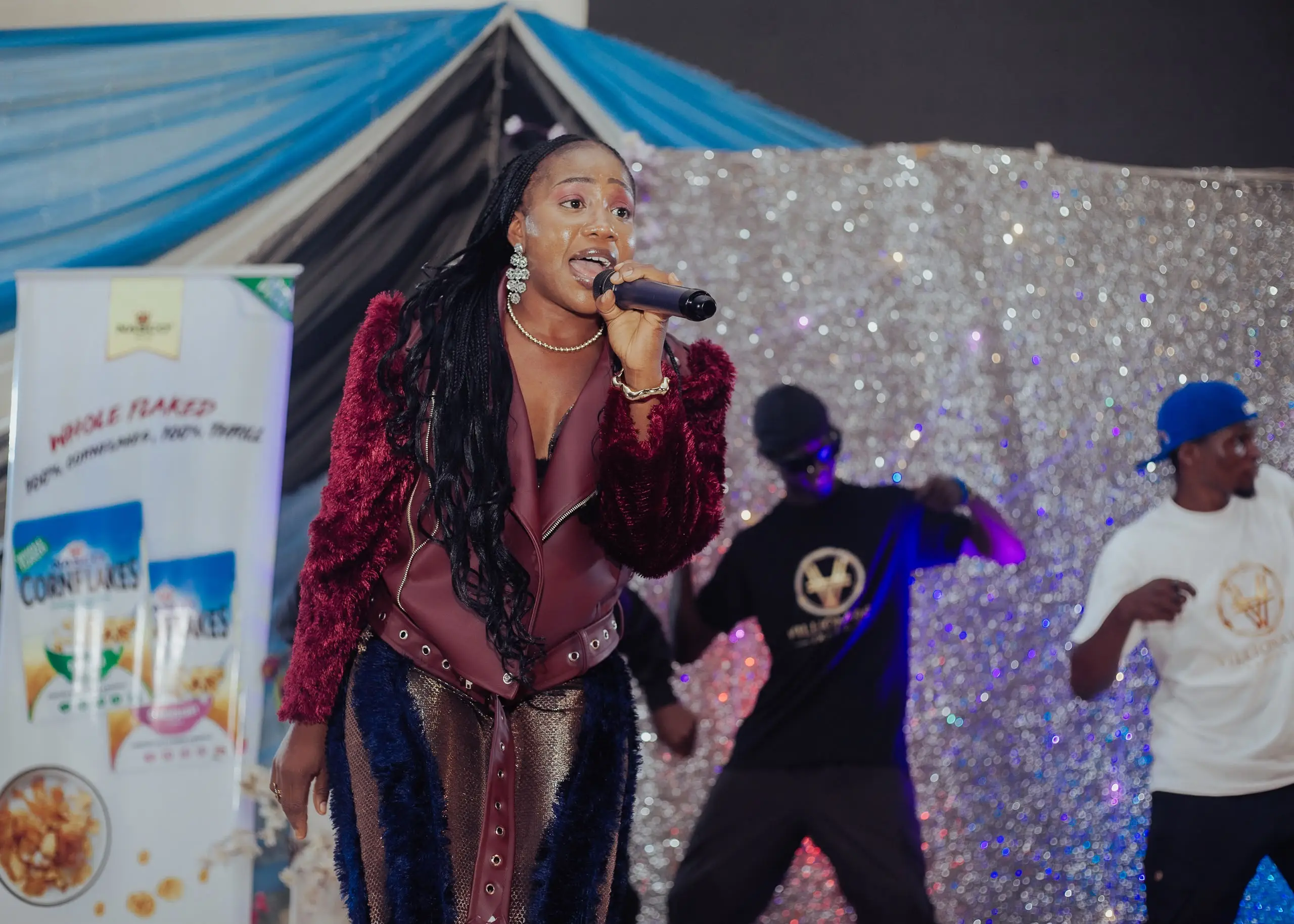
The University of Jos came alive with music, glamour and excitement as Afro Soul sensation Big Chinni delivered a captivating performance at the Mr & Miss UNIJOS 2026 pageant, one of the institution’s most anticipated annual social events.
The event, held on the University of Jos campus, attracted hundreds of students, alumni and guests who gathered to witness the crowning of the institution’s new king and queen and to celebrate creativity, fashion and student excellence.
Big Chinni thrilled the audience with an energetic Afro Soul performance, delivering a blend of soulful melodies and vibrant stagecraft that kept the crowd singing and dancing throughout her set. Her performance added excitement to an evening dedicated to showcasing talent, confidence and youthful creativity.
The pageant, widely regarded as a flagship event on the university’s social calendar, featured dazzling fashion displays, entertainment performances and competitive segments leading to the emergence of the new Mr & Miss UNIJOS 2026.
The event was powered by NASCO Cornflakes, one of Nigeria’s leading breakfast cereal brands, whose colourful branding featured prominently across the venue, including the red carpet and main stage. The company’s support underscored its commitment to promoting youth development, campus engagement and student-focused initiatives.
Organisers said the collaboration between NASCO Cornflakes and the pageant reflected a shared vision of celebrating excellence, talent and the vibrant lifestyle of young people.
With her memorable performance, Big Chinni further strengthened her growing reputation as one of the emerging voices in the Afro Soul music scene, leaving the audience entertained and making the 2026 edition of Mr & Miss UNIJOS one of the most talked-about campus events of the year.


-

 Entertainment1 day ago
Big Chinni Thrills Audience as NASCO Cornflakes Powers Mr & Miss UNIJOS 2026
-
News3 days ago
OpenAI reportedly finds evidence that more of its agents ran amok
-
News1 day ago
The fourth edition of Jasper Fiton Football Tournament Begins in Bokkos, Unites 45 Teams for Peace and Talent Discovery
-
News4 days ago
India is starting to pay for apps, not just download them