Business
NCC directs telecom operators to compensate subscribers for poor network service

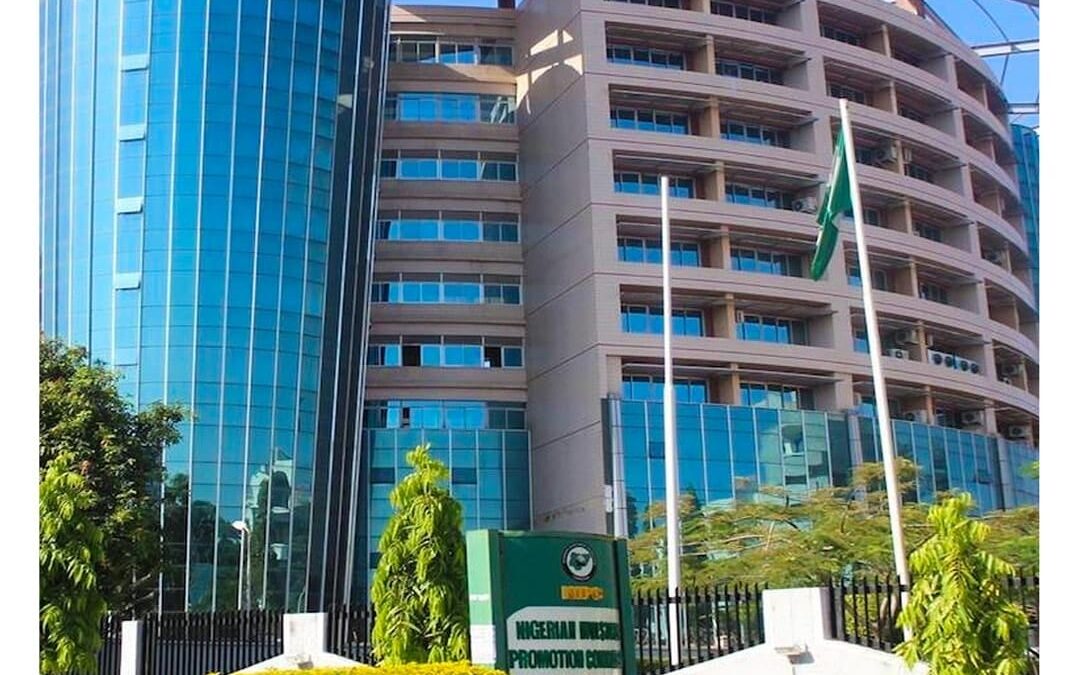
The Nigerian Communications Commission (NCC) has directed Mobile Network Operators (MNOs) to provide compensation to subscribers whose network quality of service experience is below specified targets within certain locations.
In a statement signed by the NCC Head, Public Affairs Department, Nnenna Ukoha, on Sunday, the commission noted that its position is that subscribers should not be made to bear the full burden of service disruptions where operators fail to meet prescribed standards of service delivery.
The NCC explained that service providers breached the quality of service during network disruption, insisting that poor quality of service recorded within specified time frames must be compensated by the MNOs.
“Under this directive, erring operators will compensate affected users directly for breaches of Quality of Service (QoS) Key Performance Indicators (KPls). Mobile Network Operators (MNOs) shall be required to pay these compensations for instances of poor quality of service recorded within specified time frames.
“The compensation will be provided in the form of airtime credits, calculated based on subscribers’ average spending patterns and their presence within Local Government Areas where service failures occur,” the statement read.
According to the NCC, the directive is rooted in the commission’s broader regulatory philosophy that places the consumer at the centre of Nigeria’s telecommunications ecosystem.

The commission reiterated the importance of telecommunications services in today’s contemporary world, saying it underpins economic activity, social interaction, and access to digital opportunities.
The commission explained that while poor service affects communications and economic and commercial activities, it must adopt a consumer-focused approach to strengthen accountability within the communication industry.
“When service quality is poor, the consequences affect productivity, commercial activities, and even public confidence in our communications system.
“While regulatory fines have traditionally served as a deterrent against poor service delivery, the Commission is adopting a more consumer-focused approach that strengthens accountability within the industry,” the NCC stated.
Enforcement
The commission stated that it has designed the measure to complement existing and ongoing efforts to strengthen service quality monitoring and enforce performance standards.
Additionally, the NCC said its directive that mandates MNOs to compensate consumers also affects Tower Companies, asking them for the compensation and other NCC fines in their investment.
“The commission is also mandating Tower Companies, which own the critical infrastructure for Quality of Service delivery, such as masts, to invest in infrastructure with measurable outcomes using sums that it has fined these companies, in addition to other financial fines the Commission will deem appropriate.”
ALSO READ: NCC declares “state of emergency” on quality of mobile network service
NCC noted that it will continue to reinforce the obligation of operators to invest consistently in network resilience, capacity expansion, and infrastructure upgrades to meet the growing demand for telecommunications services.
The commission further stated it plans to deploy regulatory tools that promote fairness, transparency, and accountability across the sector, ensuring that every subscriber receives the quality of service they deserve while sustaining a telecommunications industry capable of powering Nigeria’s digital future.

The Central Bank of The Gambia ordered all commercial banks operating in the country to dismiss non-Gambian employees.
In a letter dated 19 September, the central bank asked commercial banks to phase out non-citizens who are not on approved expatriate quotas by the end of the year.
The letter, signed by the bank’s Second Deputy Governor, Ousman Mendy, was addressed to managing directors of all banks operating in the country, including Nigerian subsidiaries such as First Bank, Zenith, Access, Eco, and the Guaranty Trust Bank.
The regulator also directed that the non-citizens dismissed should be replaced with qualified Gambians.
It directed banks to put clear succession plans in place quickly and transfer skills. It also asked banks to keep operations running smoothly during the transition.
According to the letter, the decision followed a meeting between the central bank and bank managing directors in August, during which they discussed concerns about the employment of non-Gambian workers in the banking sector.

The CBG said a recent industry study it conducted found that banks employ a large number of foreigners.
It added that, in addition to recruiting expatriate workers, some banks allegedly violated provisions of The Gambia’s Labour Act 2023 and Guideline 9 on expatriate staff.
ALSO READ: Access Bank’s Euromoney wins signal new era of regional banking leadership
These provisions identify the circumstances under which expatriate workers can be employed and the quotas permissible.
“A recent industry study conducted by the Bank revealed that a relatively high number of non-Gambians are employed by banks, in addition to recognised expatriate staff.
“This is in violation of the provisions of the Labour Act 2023 and also not in line with guideline 9 on expatriate staff,” the letter read.
The regulator further urged banks to adhere to the country’s laws and strictly follow the central bank’s guidelines.
“You are hereby directed to ensure full compliance with the law and strict compliance with CBG’s guidelines,” it stated.
Discover more from Premium Times Nigeria
Subscribe to get the latest posts sent to your email.
-

 Featured2 days ago
PLATEAU STATE: IS THERE PEACE, OR ONLY THE ABSENCE OF VIOLENCE?
-
News2 days ago
Plateau Killings: Rotjimwa Yilyok Urges Security Agencies to Intensify Action
-
News2 days ago
Former Archbishop of Canterbury Justin Welby Calls for Peace, Protection of Communities During Plateau Visit
-
Business2 days ago
General Business to Drive 72% of Mutual Benefits Assurance’s Projected ₦96.82bn GWP