News
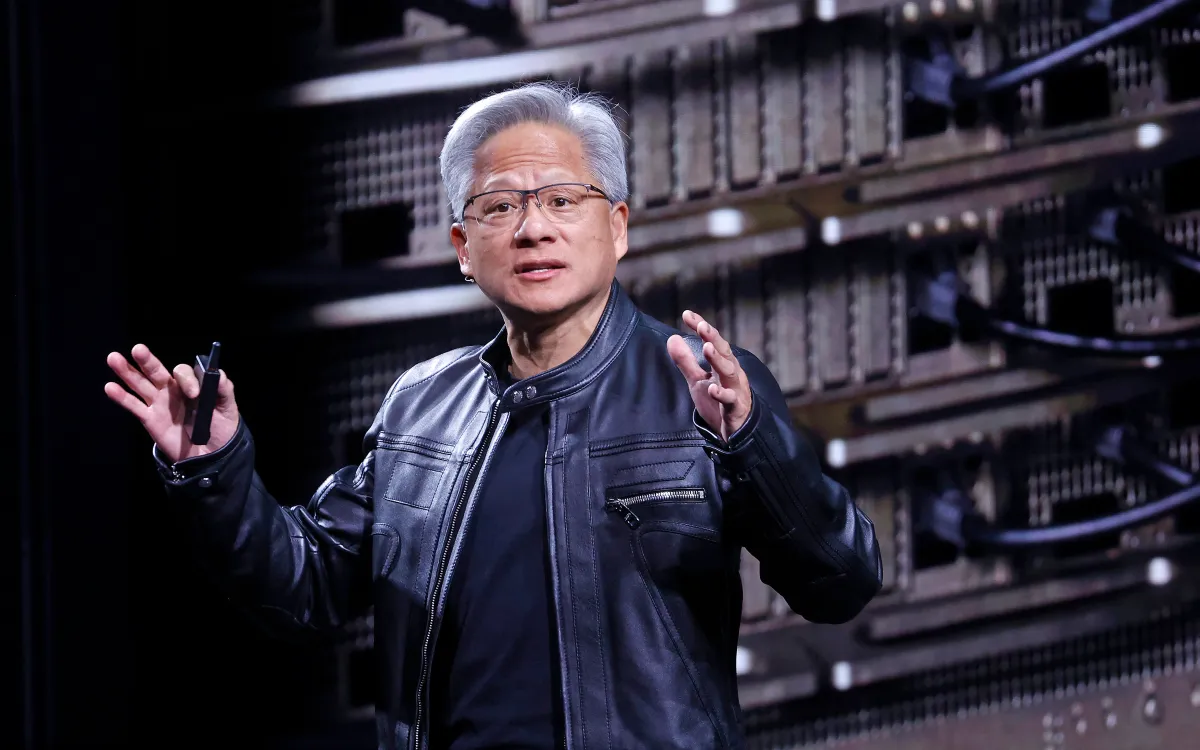
Jensen Huang says he’s found a ‘brand new’ $200B market for Nvidia








News
“Blessing Is Back! I Will Crush Anyone In My Way!” — Team Nigeria Captain Orakwe Sends Chilling Warning After First-Round Knockout In Nairobi

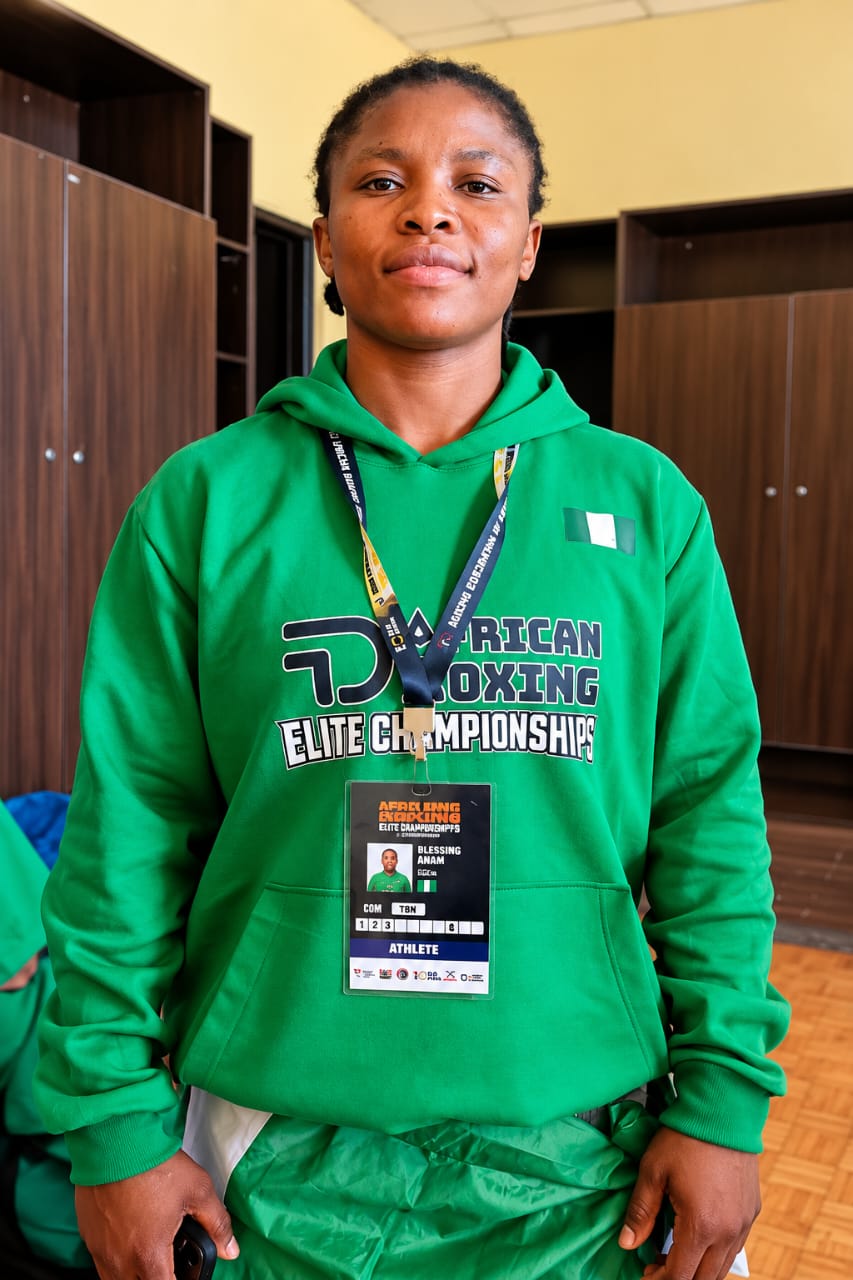
NAIROBI, KENYA – Team Nigeria’s boxing captain, Orakwe Blessing, has sent a strong warning to her remaining opponents at the ongoing African Elite Men’s and Women’s Boxing Championships 2026 in Nairobi, Kenya, after delivering a sensational first-round knockout victory over Uganda’s Aiwine Diana in the women’s 80kg semifinal.
The Nigerian powerhouse produced one of the most emphatic performances of the championship, stopping her Ugandan opponent in the opening round to secure her place in the final and strengthen Nigeria’s hopes of winning gold.
But it was Blessing’s fearless declaration after the contest that added another dimension to her impressive victory.
Speaking in an exclusive post-fight interview, the Nigerian team captain made it clear that she had returned to the continental stage with one mission: to dominate.
“Blessing is back! Tell them I will crush anyone that comes my way. I am not here to joke. I am back!” she declared confidently.
Her statement reflected the determination of a fighter who believes she has unfinished business in African boxing.
As captain of the Nigerian boxing contingent to Kenya, Blessing’s performance carried additional significance, providing inspiration for her teammates and demonstrating leadership inside the ring.
The first-round stoppage also offered a major boost to Nigeria’s campaign, which had earlier suffered several disappointing results and disputed judging decisions.
Unlike those closely contested encounters, Blessing ensured that her semifinal would not require the judges to determine the winner.
Her victory comes as Nigeria celebrates five finalists, including Ridwan Raheem, Ajishola Khadijat, Precious Anine and Patricia Mbata.
For Blessing, however, reaching the final is only another step towards her ultimate ambition of becoming an African champion.
Her explosive performance against Uganda has established her as one of Nigeria’s leading gold medal hopefuls in Nairobi.
With the final approaching, attention now turns to whether the Nigerian captain can reproduce her devastating form against her next opponent.
One thing is certain: Orakwe Blessing has announced her return in spectacular fashion, and her message to the rest of Africa is unmistakable — she has come to Nairobi for gold, not games!

Minister of Aviation and Aerospace Development Festus Keyamo has approved the design of a proposed monorail to link Ikeja Railway Station in Lagos to Murtala Muhammed International Airport (MMIA) in the state.
The project is expected to connect the airport to the Lagos Red Line rail network, providing passengers and other airport users with an alternative to road transport.
Mr Keyamo announced the approval on Tuesday after a meeting with the managing director of the Federal Airports Authority of Nigeria (FAAN), the permanent secretary of the Federal Ministry of Aviation and engineering teams from the ministry and FAAN.
In a post on X, the minister said the proposed line will have five stations, running from Ikeja Railway Station to the international airport’s Terminal 1, which is currently undergoing reconstruction.
He listed the proposed stations/stops as Ikeja Station, Domestic Airport Station, Beesam Station, Toll Gate Station and MMIA Airport Station.
“The monorail is an integral part of the reconstruction of the nation’s major gateway at the MMIA in Lagos,” Mr Keyamo said.


The design approval follows earlier announcements by the Federal Government about plans to extend rail services from Ikeja to the airport’s domestic and international terminals.
In June, PREMIUM TIMES reported that the government was working with the Lagos State Government to extend the existing rail network to the airport and to expand connectivity.
Recently, Olubunmi Onabanjo-KukuFAAN’she managing directAN, said talks on financing the planned airport rail lint had reached an advanced stage.
Speaking at the World Aviation Festival in Lisbon, Portugal, on 18 October, Ms Onabanjo-Kuku stated that efforts were ongoing to finalise the project’s financing structure.
The planned link is expected to connect the airport’s three terminals to the Red Line as part of its wider modernisation programme.
The proposed rail connection forms part of broader efforts to upgrade facilities at the Lagos airport and improve passenger movement.
Terminal 1 of the international airport is undergoing reconstruction, while other infrastructure upgrades are intended to boost airport operations and the passenger experience.
The airport serves as a major gateway for international travel to and from Nigeria, making access to its terminals crucial for passengers and other users.
Discover more from Premium Times Nigeria
Subscribe to get the latest posts sent to your email.
-

 News2 days ago
Euromatch NPFL: Matchday 9 results
-
News3 days ago
NUCAP: Nigeria targets 20 million people with 3,700 telecom towers – Technology Times
-
News3 days ago
Gunmen storm Plateau mining site, kill two persons
-
News3 days ago
Nigeria needs stronger collaboration ‘to shape internet governance’ – Technology Times