Business
Group calls for review of GMO approval in Nigeria

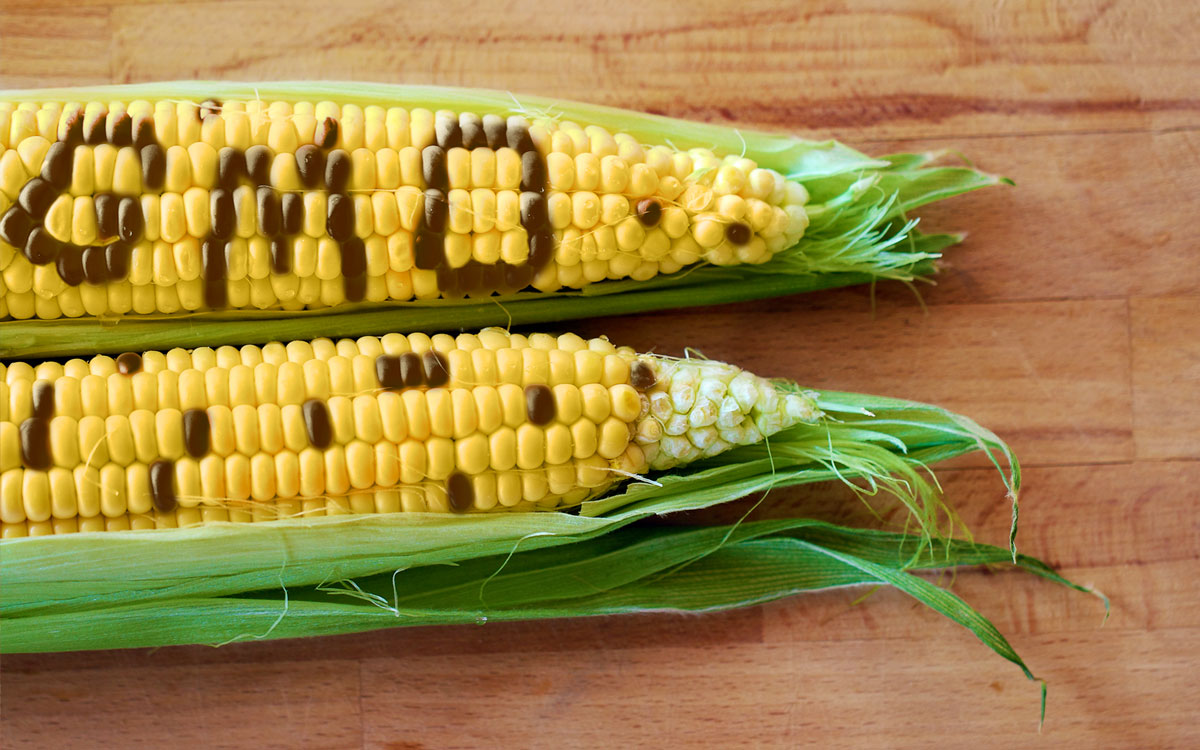

A coalition of environmental, agricultural, and civil society organisations has urged the Nigerian government to put on hold new approvals of Genetically Modified Organisms (GMOs) in the country.
It is also asking the government to conduct an independent review of existing approvals, citing concerns over biosafety, public health, biodiversity, and farmers’ rights.
The group made the call in a communiqué issued at the end of the National Conference on Biosafety and Agroecology held on Monday in Abuja.
The conference, attended by the representatives of federal ministries, regulators, farmers, researchers, civil society organisations, and legal practitioners, among others, reviewed the increasing approval and commercialisation of genetically modified crops in Nigeria, including Bt Cowpea, TELA Maize and recently registered transgenic cotton varieties.
Participants raised concerns about the implications of GMOs for biosafety, environmental protection, food sovereignty, public health and farmers’ rights, the communiqué said.

They similarly urged the federal government to place a moratorium on new GMO approvals pending independent, long-term and peer-reviewed assessments, including feeding trials, environmental impact assessments and social impact studies.
An independent review of existing approvals to ensure compliance with the National Biosafety Management Act (NBMA) and the precautionary principle also featured in their demands.
Other recommendations included bolstering public agricultural research and extension services, protecting indigenous seed systems, supporting community seed banks, phasing out highly hazardous pesticides and increasing investment in agroecological research and training.
GM concerns in Nigeria
The adoption of GM crops has remained contentious among food system experts in Nigeria, creating two divides. GM proponents argue that the technology can help scale up food production and boost food security. Critics, however, fear the technology could trigger environmental and health risks, and have expressed worries about weak regulatory enforcement and inadequate labelling.
According to the International Service for the Acquisition of Agri-biotech Applications, more than 30 major food crops have been genetically modified globally.
Nigeria has approved four crops—maize, cowpea, cotton, and soybean—for commercialisation and is among the six African countries leading in biotech crop adoption.
In 2024, the government approved four varieties of Tela maize, further intensifying debates over GM crop safety and transparency.
Farmers’ limited knowledge of GM seed characteristics, potential dependence on seed companies, and the broader impact on traditional farming systems have been identified among the downsides.
An investigation by PREMIUM TIMES and international partners in 2024 laid bare how the U.S. government, through the now-defunct USAID, funded pesticide and GM-related advocacy campaigns in Nigeria, including efforts that profiled critics of GMOs.
In March, the National Biosafety Management Agency ordered the suspension of four new transgenic cotton hybrid varieties in Nigeria.
The varieties are MIC 561 BGII, MIC 563 BGII, BIOSEED-FIYAH CH1001, and BIOSEED-FIYAH CH1002. They were allegedly registered by the National Committee on Naming, Registration and Release of Crop Varieties, Livestock Breeds and Fisheries on 26 March 2026 without the requisite approval of NBMA.
The agency said its regulatory surveillance and compliance-monitoring mechanisms identified “serious compliance abnormalities” in the varieties.
The suspension of the new cotton varieties underscores ongoing challenges around biosafety compliance and regulatory oversight in Nigeria’s biotechnology sector.
READ ALSO: GMOs: Experts accuse Nigeria’s biosafety regulator of not being transparent
Concerns over food security approach
The conference noted that Nigeria’s food security challenges require “holistic, people-centred and sustainable solutions” rather than sole dependence on technological interventions.
Participants also raised concerns about biodiversity loss, genetic contamination of indigenous seed varieties, monoculture farming systems, dependence on pesticides and the absence of sufficient long-term ecological studies on GM crops.
The communiqué stated that proprietary seed systems could undermine farmers’ rights to save, exchange and improve seeds, with implications for rural livelihoods and local food systems.
It further observed that existing biosafety governance frameworks require greater transparency, accountability, scientific rigour and meaningful public participation.
The conference spotlighted the far-reaching consequences of continued use of hazardous pesticides, warning that they constitute risks to human health, biodiversity, soil fertility and water resources.
It endorsed agroecology as a viable pathway to sustainable agriculture, noting that it has demonstrated the potential to improve soil health, biodiversity, climate resilience and farmers’ livelihoods.
Participants said structural barriers, including limited access to land, finance, information and technology, continue to affect farmers, particularly women and young people.
In their conclusion, participants remarked that ecological sustainability, food sovereignty, public accountability, social justice and the well-being of present and future generations should guide Nigeria’s food and agricultural policies.





The Federal Government says Fitch Ratings’ decision to revise Nigeria’s credit rating outlook from Stable to Positive reflects progress in economic reforms, foreign exchange market adjustments and efforts to strengthen the country’s external position.
Fitch announced the revision on 9 October, retaining Nigeria’s long-term foreign-currency issuer default rating at ‘B’.
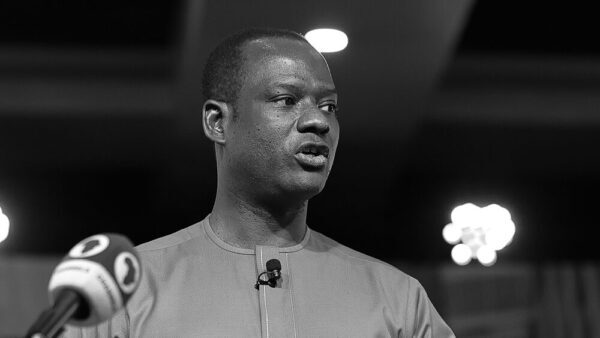
In a statement issued on Saturday, the Minister of Finance and Coordinating Minister of the Economy, Taiwo Oyedele, said Fitch cited increased foreign exchange reserves, easing inflation and improved economic prospects among the factors supporting the outlook revision.
According to the minister, Nigeria’s gross foreign exchange reserves rose to $54.9 billion as of 25 September 2026, from $32 billion in mid-April 2024.
He attributed the increase to more formalised foreign exchange transactions, portfolio inflows, higher exports and remittances.
Fitch also projected that Nigeria would record a current account surplus equivalent to 6.4 per cent of gross domestic product in 2026.

Economic growth and inflation
The ratings agency projected that Nigeria’s real gross domestic product would grow by 4.3 per cent in 2026, compared with 4 per cent in 2025, with growth remaining above 4 per cent in 2027 and 2028.
Fitch expects non-oil activities to remain the main driver of economic expansion.
The projection comes as Nigeria’s economy recorded growth of 4.43 per cent year-on-year in the second quarter of 2026, according to the National Bureau of Statistics (NBS).
The figure was higher than the 3.89 per cent recorded in the first quarter of 2026 and the 4.23 per cent recorded in the corresponding quarter of 2025.
The World Bank’s October 2026 Nigeria Development Update projected average annual economic growth of 4.4 per cent between 2026 and 2028, identifying services and agriculture among the contributors to economic activity.
On inflation, Fitch projected an average rate of 15.4 per cent in 2026, less than half the level recorded in 2024.
The NBS reported that Nigeria’s headline inflation rate eased marginally to 15.39 per cent in August 2026, from 15.43 per cent in July.
The figures provide recent context for Fitch’s assessment of inflation, although the agency’s annual average forecast is different from the monthly inflation rate reported by the NBS.
Reserves, oil production and public debt
Fitch also noted developments in Nigeria’s oil sector, including crude oil production meeting the country’s OPEC target of 1.5 million barrels per day from May 2026.
Mr Oyedele said increased domestic refining was helping to reduce fuel imports and foreign exchange demand.
On public finances, Fitch expects Nigeria’s tax reforms to increase non-oil revenue relative to the size of the economy.
The agency projected that general government debt would average 32 per cent of GDP between 2026 and 2028, below the median of 56 per cent for countries with a ‘B’ rating.
Fitch also highlighted Nigeria’s domestic debt market and the banking sector recapitalisation exercise, noting that many banks had capital adequacy ratios above 20 per cent.
However, the agency identified persistent challenges, including inflation remaining above levels in peer countries, government revenue being low relative to the size of the economy, and interest payments accounting for a high proportion of government revenue.
The minister said the federal government would continue implementing reforms aimed at increasing revenue, improving spending efficiency, strengthening debt management and supporting non-oil economic growth.
Other rating developments
The Fitch decision follows other developments in Nigeria’s international credit assessments.
READ ALSO: FG to negotiate ₦1,350 petrol price ceiling as global oil shock drives pump prices
In May 2026, S&P Global Ratings upgraded Nigeria’s credit rating from ‘B-’ to ‘B’. In August, Moody’s revised its outlook on Nigeria to Positive while retaining its ‘B3’ rating.
Mr Oyedele noted that the government’s medium-term objective remained to improve Nigeria’s credit standing and work towards investment-grade status.
He said the administration would continue to focus on foreign exchange market reforms, tax revenue mobilisation, fiscal governance, more efficient public spending and growth in non-oil sectors.
The minister said its broader objective was to “translate economic reforms into jobs, food security, support for small businesses and improved living standards”.
Discover more from Premium Times Nigeria
Subscribe to get the latest posts sent to your email.
-

 News4 days ago
Robot data startup Mecka AI nabs $60M from Sequoia
-
Business2 days ago
Communications Ministry made ₦345.5 million duplicate payment for Abuja ICT Park project
-
Business3 days ago
Fuel subsidy would cost Nigeria over N20trn yearly — Minister
-
News2 days ago
LumenUs helps automate tedious paperwork in times of grief