News
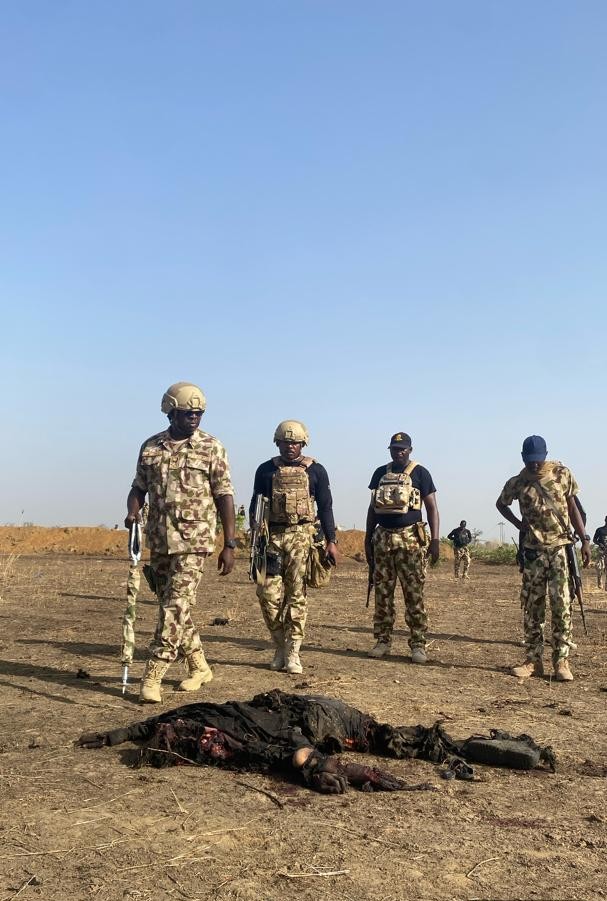
Troops Neutralise 216 Terrorists, Apprehend 284 Across Theatres In April – DHQ



Jide-Ojo Jide Olusola, SA Media to the Senior Special Assistant to the President on Grassroots Sports Development, Hon. Adeboye Anthony Adeyinka, has been named among the speakers for the Year of Return Africa (YORA) Summit & Expo 2026 holding in Nairobi, Kenya.
Jide-Ojo, Founder/CEO of 247SportsNetwork Limited, publishers of Sports247.ng, will join leading African business executives, investors, innovators and industry stakeholders at the summit scheduled for October 13–14 at Broadwalk Mall, Westlands, Nairobi.
The veteran media executive, who has accumulated over 30 years of experience in the media industry, will participate in the summit’s sport business segment on October 14, bringing perspectives from sports journalism, grassroots development, strategic communications, partnerships and the commercialisation of African sport.
Jide-Ojo joins a diverse speakers’ lineup that includes Blue Mahoe Capital Chairman and CEO David Mullings, Kenya Film Commission Board Chairman Sudi Wandabusi, Capital Markets Authority Blockchain and Fintech Analyst James Hillary Obonyo, Emmppek Group Chairman Emmanuel Audu-Ohwavborua, and B|E Strategy Founder and Chief Strategist Charles Ellison, among others.
The summit, themed “Fueling the Future: Unlocking Africa’s Entrepreneurial Potential,” will examine investment, innovation, technology, entrepreneurship and opportunities within Africa’s creative economy.
A major focus of the sport business conversation will be the monetisation of Africa’s sports, media and entertainment industry, including how the continent can transform its enormous sporting talent, passionate audiences and compelling stories into sustainable commercial opportunities.
Through Sports247 and his current media role supporting the Presidency’s grassroots sports development agenda, Jide-Ojo has consistently promoted emerging athletes, grassroots competitions and initiatives aimed at creating greater visibility and opportunities within Nigeria’s sports ecosystem.
His contribution in Nairobi is expected to highlight the increasingly important role of media, digital storytelling, athlete branding, sponsorship and strategic partnerships in building commercially sustainable African sports properties.
The Nairobi platform will also provide an opportunity to share Nigeria’s grassroots sports experience while strengthening connections between sport, media, investment and business across Africa.
Following the Nairobi programme, YORA activities will continue in Kilifi, Kenya, from October 16–17.
YORA Summit & EXPO Kenya, 2026 is a three-day event including YORA Awards taking place from 12th – 17th Nairobi | Kilifi, Kenya
-

 Health3 days ago
Plateau: Medical Women Association of Nigeria Marks Older Persons Day with Free Outreach
-
News4 days ago
PLASU Opens Doors to Global Investors at 2nd Inaugural Lecture
-
News2 days ago
MTN, Gates Foundation drive $25m AI digital health plan in Nigeria – Technology Times
-
News3 days ago
WAEC appoints Nigeria’s Dangut as Registrar, CEO