Education
Senator Daduut Donates JAMB CBT Centre in Plateau, Trains over 100 Students in ICT

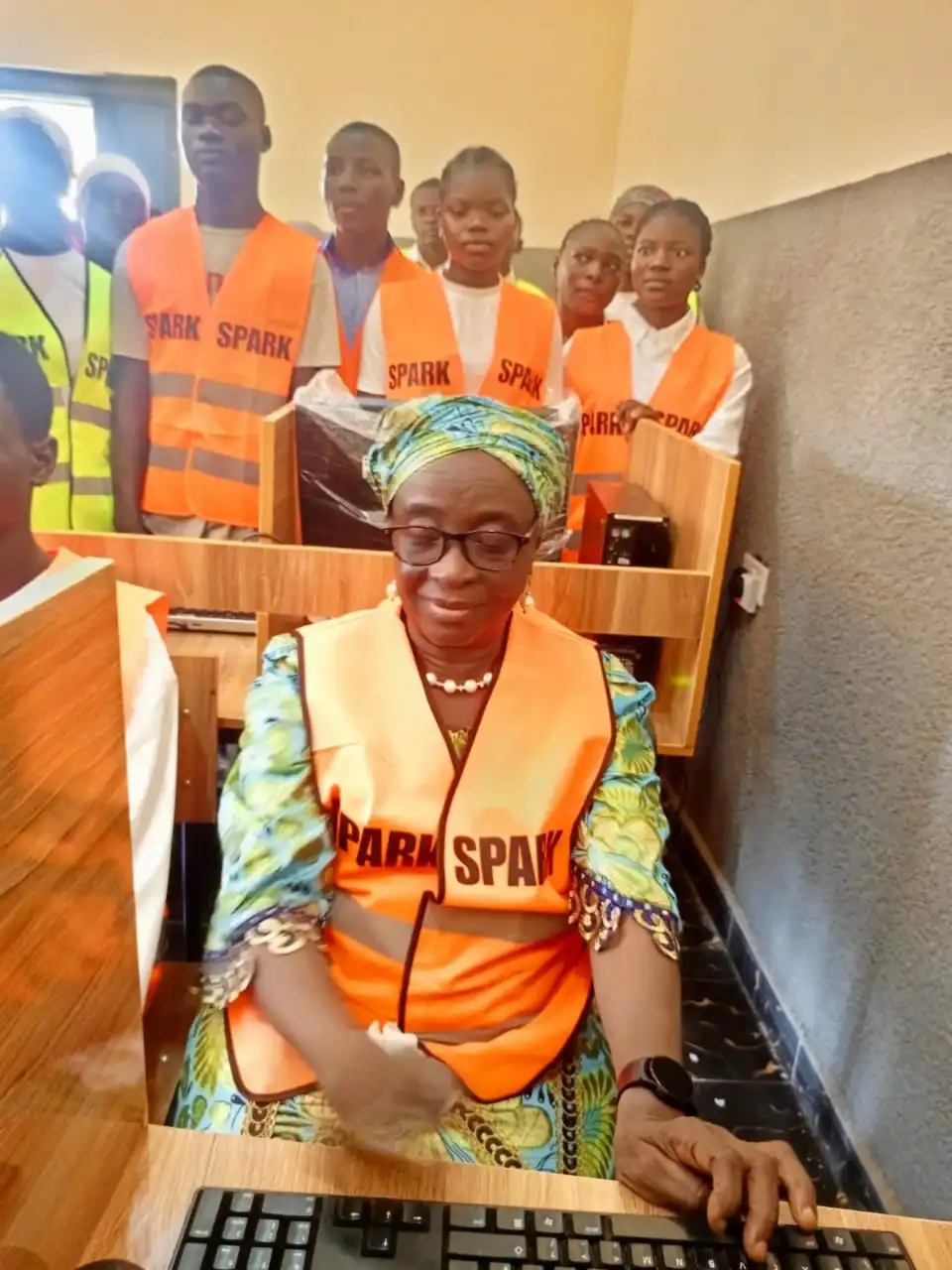
Ambassador-designate to South Korea, Senator Nora Daduut, who represented Plateau South in the 9th National Assembly, has donated a Joint Admissions and Matriculation Board, JAMB, Computer-Based Test, CBT, centre to her constituency to enhance access to examination facilities and address low digital literacy among rural students.
She also ordered the immediate training of students drawn from several secondary schools in the community in Information and Communication Technology, ICT, as part of efforts to equip young people with practical digital skills.
Senator Daduut said the initiative was aimed at empowering children in rural communities with basic computer knowledge, noting that many students still lack the digital competence required to thrive in today’s education system and computer-based examinations.
She explained that the intervention was informed by challenges observed during the last Unified Tertiary Matriculation Examination, UTME, where several candidates struggled to use computer-based facilities due to fear and limited exposure to ICT tools.
According to her, the development underscores the urgent need to expose young people, particularly those in rural areas, to computer education at an early stage, stressing that digital literacy has become essential for modern learning and examinations.
She disclosed that the CBT centre, built in her honour and donated by her grandchildren, is located in Kwala community of Quan’pan Local Government Area of Plateau State.
The senator said the facility would serve not only as a JAMB examination centre but also as a training hub where students and community members can acquire essential digital skills ahead of future examinations.
“It will help students overcome their fear of computers and build confidence in using digital tools, which are now central to modern learning and assessment,” she said.
Senator Daduut added that she had previously facilitated a similar ICT centre in Namu community, which was equipped with computers and learning tools to support digital education for young people.
She noted that the latest project is a continuation of her commitment to grassroots educational development and youth empowerment through ICT.
She further said the initiative aligns with the Renewed Hope Agenda of President Bola Ahmed Tinubu’s administration, which she noted is focused on expanding opportunities for young Nigerians and preparing them for a technology-driven global economy.
According to her, the administration’s emphasis on innovation and digital inclusion informed her resolve to deepen ICT access at the grassroots level.
Daduut also said the project is designed to bridge the gap between rural and urban students, giving them equal opportunity to compete favourably with their peers in a rapidly evolving digital world.
Speaking while commissioning the centre, the traditional ruler of Kwala Moeda District, Hon. Paul Donglong, commended the senator for what he described as a significant contribution to community development.
He urged youths and residents to take ownership of the facility and maximise its benefits.
Beneficiaries of the project also applauded the initiative, describing it as timely and impactful, especially for rural students who often lack access to ICT infrastructure.
One of the beneficiaries, Fabian Shalong, said the centre would significantly improve digital awareness and better prepare candidates for computer-based examinations.
Boemfu Timothy another beneficiary said the ICT centre would serve as a catalyst for educational advancement and long-term digital empowerment in the area, while encouraging sustained investment in rural education infrastructure.


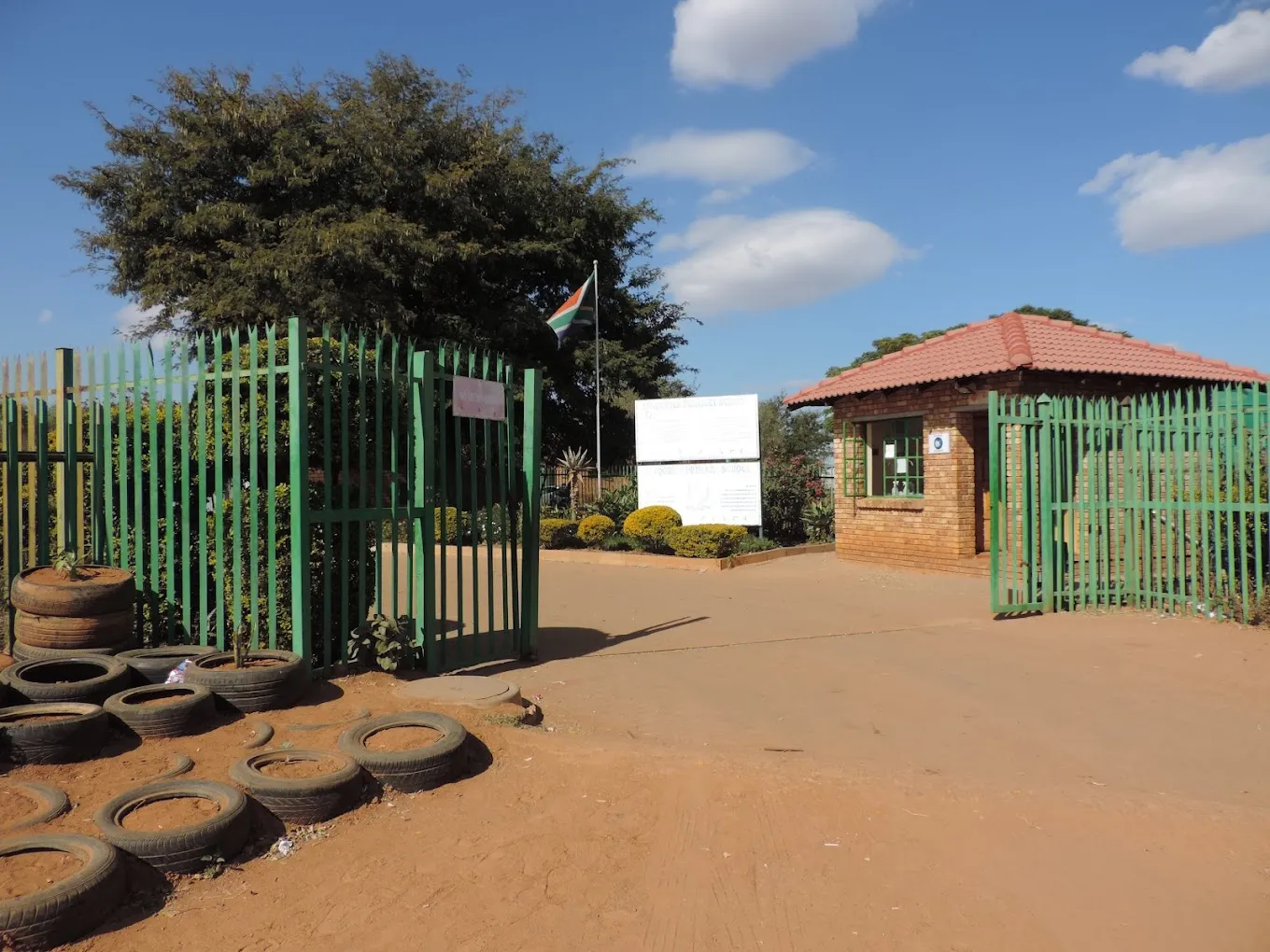
An 11-year-old pupil at Sinqobile Primary School in Soshanguve, South Africa, was allegedly dragged into a school toilet and forcibly circumcised by four older students during break time.
The Grade 5 pupil was reportedly attacked by four Grade 7 students, who allegedly pinned him down before one of them used a sharp blade to remove his foreskin.
The boy was also allegedly threatened with violence if he disclosed the incident to anyone.
According to his mother, the child returned home after the incident but initially refused to tell her what had happened. She later noticed that he was walking unusually and, days later, discovered that he was in severe pain.
The mother said her son eventually showed her his swollen private parts, prompting her to rush him to a doctor.
“He then showed me his swollen private parts and I rushed him to the doctor and it was then that we learned four pupils had circumcised him,” she said.

She said her son told her that the older boys had attacked him in the school toilets during break and threatened to beat him if he told anyone.
The mother subsequently opened a criminal case and refused to allow her son to return to school. Police later persuaded the boy to attend an identity parade, where he reportedly helped identify the four students.
South African Police Service spokesperson, Captain Tintswalo Sibeko, confirmed that a case of assault with intent to cause grievous bodily harm was being investigated.
“Our Family Violence, Child Protection and Sexual Offences Unit are investigating and no arrests have been made at this stage,” Sibeko said.
The Gauteng Department of Education also confirmed that the matter was under police investigation, while saying the school had not reported any similar circumcision attacks.
Deputy Principal George Mahlungu said the school was shocked by the incident.
“We are perplexed by what happened. This school is a place where a child should be safe,” he said.
The school has about 2,050 pupils between the ages of seven and 15.
A doctor who examined the boy reportedly said the procedure appeared to have been carried out in a manner similar to traditional tribal initiation practices. However, the doctor said a full diagnosis could not be made until the swelling subsided.
The boy’s mother said her son had become traumatised by the incident and was afraid to return to school.
Police investigations are ongoing, and no arrests had been made as of the latest report.
-

 Health4 days ago
AMR: Livestock uses more antibiotics than human health sector
-
News3 days ago
MTN, Airtel take 90% of Nigeria’s 15m new subscribers as Glo shifts ground – Technology Times
-
News4 days ago
The Stage Is Set, Nairobi Is Ready! Africa’s Business and Sports Power Players Converge for YORA Summit 2026
-
Health2 days ago
Katsina health professionals declare 7-day warning strike