News
PYC Host Youth Leaders, Stakeholders for Economic, Peace, and Security Summit in Jos North

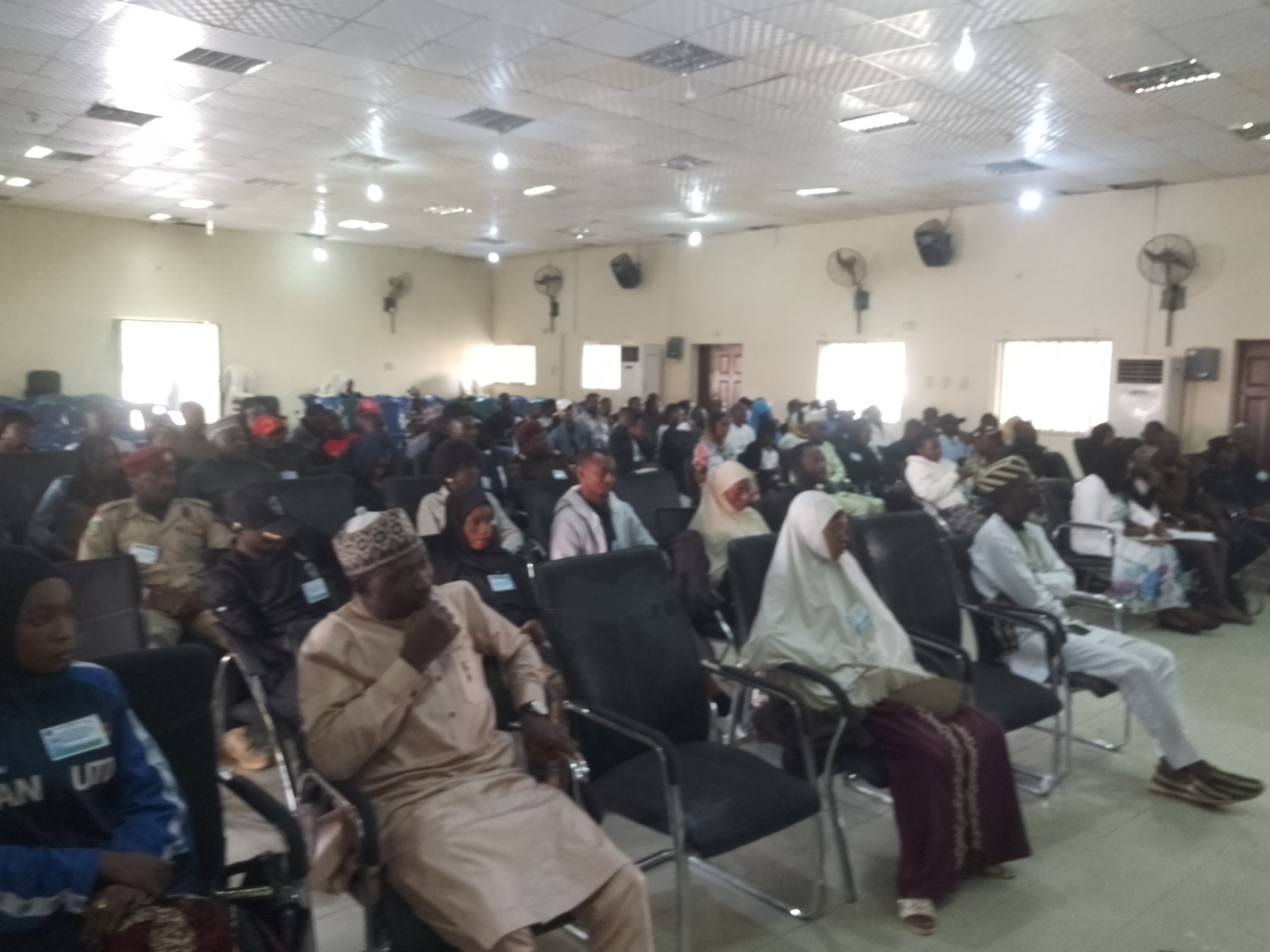
The Plateau Youth Council (PYC) Jos North, in collaboration with the Plateau Peace Building Agency (PPBA), convened youth leaders, security agencies, government officials, traditional rulers, and civil society groups at a one-day summit focused on peacebuilding and economic prosperity. Themed “Youth-led Peacebuilding in Jos North: Strategies for a Safer Society and Economic Prosperity,” the summit held on Saturday, July 12, 2025, at the Nigerian Institute of Mining and Geosciences, Tudun Wada, Jos, Plateau State.
In his opening remarks, President of PYC Jos North, Paul Mancha, emphasized the importance of sustaining peace through youth engagement. “Simply because we are experiencing relative peace does not mean we should relax. Sometimes, drivers of conflict only go on break,” he said. Mancha noted that the youth must champion unity regardless of ethnic or religious differences, adding, “We must be willing to live together. We must ensure that Jos North is safe, secure, and prosperous. Gone are the days youths are incited against each other for selfish political gains.”
Mancha further explained that the summit aimed to equip youths with skills for peacebuilding and economic development. “There are no jobs that will take all the youths. But there are skills and businesses that, when possessed, can help us survive in this fast-changing world. We must be people of conscience, not tools for evil politicians,” he stated.
Representing the Director General of PPBA, Dr. Julie Sanda, the agency’s Director of Programs, Nantip Joseph, highlighted the significance of youth involvement. “Globally, young people are often the perpetrators and victims of violence. Their energy and ideas are frequently channeled negatively,” he noted. Joseph stressed that investing in youth development is critical to sustainable peace. “The quality of young people in every society and how much their potential is harnessed is a defining factor for societal development,” he added.
He also reflected on the spatial concentration of conflict within Jos North. “Violence doesn’t happen in highbrow areas like GRA but in marginalized communities like Angwan Rogo and Gangare. These are areas prone to violence due to socio-economic neglect,” he explained.
Speaking on behalf of Operation Safe Haven (OPSH), Sector 1 Commander M.A Fana underscored reintegration, empowerment, and mentorship as vital components of sustainable peace. “Nigeria may be one of the most religious countries, but corruption still thrives. This disconnect between religious practice and moral conduct must be addressed,” he said. Citing lessons from Rwanda, he warned against tribalism, calling it “a dangerous thing that can destroy a society.”
He challenged participants to internalize values that promote peace. “The panacea for peace isn’t found in religion alone but in how we treat one another. Whether Christian or Muslim, blood is blood. In the hospital, no one checks religion before transfusion. We are all human first,” he added.
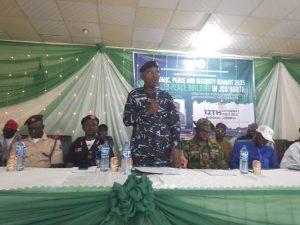
The Plateau State Commissioner of Police, represented by CSP VIMTIM S. MALGWI, reiterated the command’s readiness to collaborate with youths. “Plateau has the population, intellect, skills, and energy to transform this nation. But if we don’t work on the vices of ethnicity and media misuse, we cannot progress,” he said.
He questioned the use of technology among young people: “Do you use your phone to promote peace or for destruction? It’s time to put our tools to good use. The command is ready to work with you all to make Plateau safe again.”

Also speaking at the summit, Hon. Daniel Asama Ago, Member Representing Jos North/Bassa at the National Assembly, urged the youth to take ownership of peacebuilding efforts. “Without peace, there can be no economic development. The trust deficit between the government and the people must be addressed,” he said.
Ago expressed frustration over the misallocation of national resources to security without corresponding impact. “Our budget is consumed by defense, yet insecurity persists. If only we could invest half as much into youth empowerment, we would have lasting peace,” he stated.
He pledged his full support for PYC’s initiatives. “I am impressed by what PYC Jos North is doing. They are deliberate and intentional in promoting peace. My doors are open to them always,” Ago added. He stressed the importance of inclusive dialogue, saying, “Whether Christian, Muslim, or non-religious, we are all human. Peace is about connecting and understanding each other.”
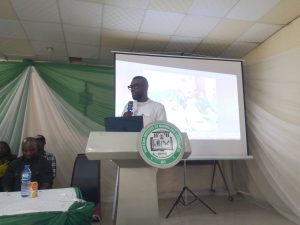
Delivering the keynote on youth-led peace strategies, Prof. Chris Kwaja, represented by Manasseh Mailafia of the Centre for Peace and Conflict Studies, University of Jos, dissected the socio-political complexity of Jos North. “The interplay of ethnicity, religion, and socio-economic challenges fuels the cycles of violence. We must explore youth-centric approaches that foster sustainable peace,” he urged.
Kwaja advocated incorporating peace education into school curricula and urged stakeholders to support community-based peacebuilding initiatives. “Multiple participation in decision-making and bridging trust gaps are crucial for long-term peace,” he concluded.
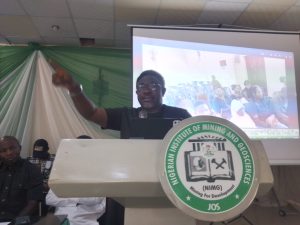
In a second keynote, economic expert Victor Kuchili urged youths to leverage local resources and skills for financial stability. He emphasized entrepreneurship and innovation as tools for youth empowerment and national development.
Participants also shared their insights. Atsen Arin, Chairman of Afizere Youth Movement, commended the PYC. “We’ve learned how to live without discrimination and how to develop ourselves and preach peace,” he said. Rahamat Muhammad from Angwan Rogo added, “This program is very educative. The change must start with each individual.”
Sagir Idris from Jos East Bauchi Ring Road emphasized economic lessons: “As a business owner, I’ve gained new insights into how to grow my business and live peacefully with others.” Nurse Laura Sani Kaurah, liaison officer for women and gender affairs, noted, “The program enlightened us on safety, peace, and economic opportunities. Youth are both the victims and perpetrators of crises, so this engagement is timely.”
The summit featured panel discussions, poetry recitations, and interactive sessions that encouraged interfaith and interethnic collaboration. It ended with renewed commitments from participants and organizers to sustain the momentum of peacebuilding in Jos North.





The Independent National Electoral Commission, INEC, has unveiled the final list of Lagos State governorship candidate.
The list is contained in a document released by INEC on Saturday in preparation for the 2027 general elections.
According to the document, the Lagos State deputy governor, Femi Hamzat is listed at the candidate of the All Progressives Congress, APC.
Also on the list is Gbadebo Rhodes-Vivour as the African Democratic Congress, ADC, candidate.
Find attach below document containing the full list.


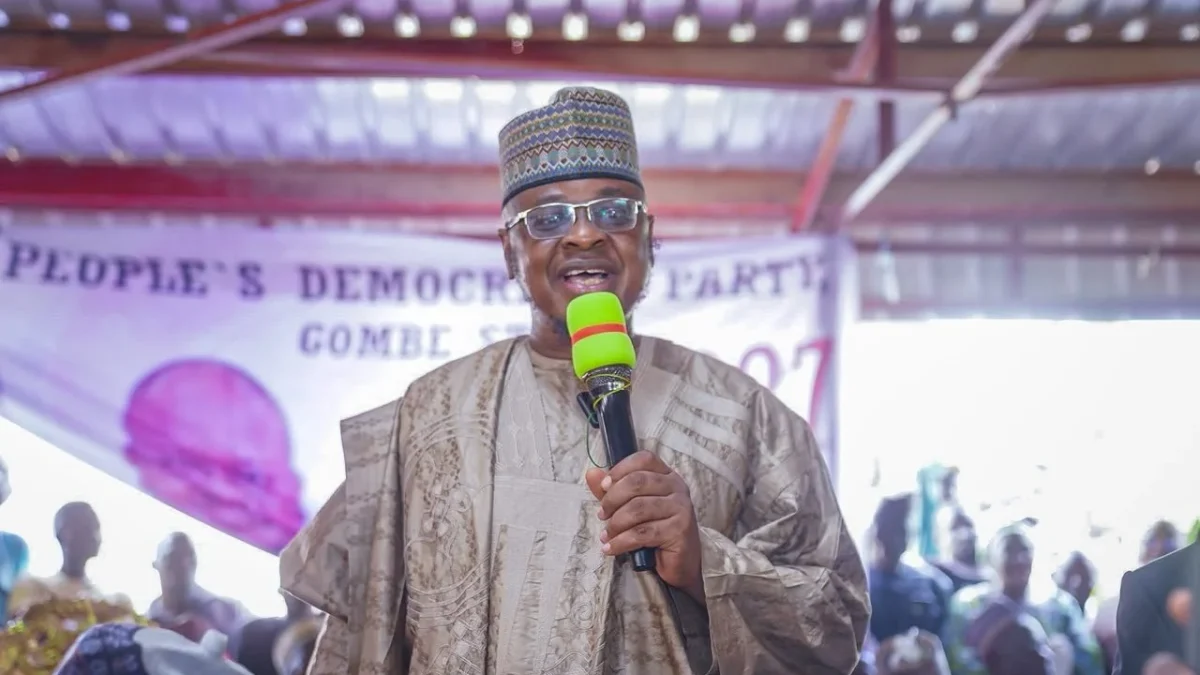
The Independent National Electoral Commission (INEC) has omitted former Minister of Communications and Digital Economy, Isa Pantami, from its final list of governorship candidates for Gombe State ahead of the February 6, 2027 election.
Politics Nigeria reports that the commission released a list of 16 cleared candidates for the election, but Pantami’s name was missing despite his earlier inclusion in the provisional list published on August 29.
Among the candidates on the final list are Bala Bello Tinka of the African Democratic Congress (ADC), Jamilu Isyaku Gwamna of the All Progressives Congress (APC) and Babayo Ardo Kumo of the Nigerian Democratic Congress (NDC).
Others include Zubairu Mu’azu Halilu of the Labour Party (LP), Lamela L. Silas of the Allied Peoples Movement (APM), Ibrahim Jalo Abubakar of the Peoples Redemption Party (PRP) and Adamu Mohammed Ma’aji of the Social Democratic Party (SDP).
Pantami’s exclusion comes amid a series of legal disputes over his emergence as the Peoples Democratic Party (PDP) governorship candidate in the state.
The former minister had initially sought the APC governorship ticket but left the party after it settled for Gwamna as its consensus candidate. He subsequently joined the PDP and emerged as the party’s flag bearer through voice affirmation at its governorship primary.
However, a Federal High Court sitting in Gombe nullified his initial emergence on May 26, following a challenge to the primary process.
The court ordered a fresh primary election, which Pantami won on September 29 with 2,054 votes, defeating Khamisu Ahmed Mailantarki and Usman Aliyu Garry.
Garry had challenged Pantami’s emergence, arguing that the required primary election was not properly conducted before the former minister was declared the party’s candidate.
Despite winning the court-ordered rerun, Pantami’s eligibility remained in doubt following the Supreme Court’s September 24, 2026 judgment on provisions of the Electoral Act 2026 governing political party membership registers and candidate eligibility.
The Supreme Court affirmed the constitutionality of Sections 77(5), 77(6) and 77(7) of the Electoral Act 2026 and upheld INEC’s revised timetable and schedule of activities for the 2027 elections.
The provisions bar political parties from fielding candidates whose names were not included in the membership registers submitted to INEC within the stipulated period.
INEC has maintained that parties found to have violated the requirements will not be permitted to participate in the elections through candidates whose nominations breach the law.
Mohammed Haruna, an INEC national commissioner in charge of information and voter education, said the commission would not allow parties to replace candidates affected by the provisions.
Haruna made the clarification during an appearance on Trust TV’s programme on Wednesday evening, explaining that allowing substitutions would enable political parties to benefit from their own violations.

He cited previous disputes involving Zamfara and Plateau states to illustrate the consequences of parties failing to comply with electoral requirements.
“It’s like you committed an offence. And then, you come and benefit from it,” Haruna said.
He added that allowing parties to substitute candidates in such circumstances would amount to permitting them to benefit from an offence they had committed.
Haruna also indicated that the commission expected to make a definite pronouncement on the implications of the Supreme Court judgment by the following Tuesday.
-
News4 days ago
FCCPC reviews rules for Nigeria’s online sales promotions, giveaways – Technology Times
-

 News3 days ago
Robot data startup Mecka AI nabs $60M from Sequoia
-
Business4 days ago
Nigeria has reduced reliance on oil revenue
-
Business1 day ago
Communications Ministry made ₦345.5 million duplicate payment for Abuja ICT Park project