Health
Plateau Intensifies Fight Against Open Defecation as Riyom LGA Targets ODF Status by November











A military cardiologist, Life Ajemba, has warned that hypertension, prolonged stress, and inadequate sleep could increase the risk of cardiovascular disease among serving military personnel and veterans.
Mr Ajemba, a major-general, said hypertension remains one of the most common cardiovascular conditions among serving personnel and military retirees.
Speaking in an interview with the News Agency of Nigeria on Wednesday in Abuja, he urged military personnel and veterans to prioritise their heart health through regular medical checks, physical exercise, healthy diets and adequate rest.
He cited studies which showed that hypertension accounted for 15.31 per cent of cases treated among mainly military retirees between 2015 and 2020.
He also referenced another study which found a hypertension prevalence of 34.3 per cent among military personnel.
He noted that major risk factors included alcohol consumption, tobacco smoking, family history of cardiovascular disease and being overweight.


According to him, the demanding nature of military service could also increase cardiovascular risks due to physical stress, psychological trauma, irregular schedules and inadequate sleep.
“Military duties affect heart health through a combination of extreme physical stress, psychological trauma and environmental exposures that increase the risk of cardiovascular disease,” he said.
The military cardiologist explained that prolonged stress could increase the release of hormones such as adrenaline and cortisol, leading to increased heart rate and blood pressure.
He added that sleep deprivation, anxiety and other psychological pressures could further increase the risk of hypertension, coronary artery disease, heart attack and stroke.
Mr Ajemba stressed the importance of regular medical screening among military personnel, saying early detection could help identify silent conditions such as high blood pressure, abnormal cholesterol levels and elevated blood sugar.
He said routine medical checks could include blood pressure and heart rate monitoring, blood tests, lipid profiles, electrocardiograms (ECGs), chest X-rays, and echocardiography where necessary.
READ ALSO: PT Health Watch: How Pregnancy-Induced Hypertension puts mother, baby at risk
“Early detection ensures that soldiers receive treatment while remaining fit for duty, preventing medical evacuation and safeguarding their long-term health,” he said.
He also encouraged military personnel to maintain regular physical exercise, saying fitness helped reduce blood pressure, improve heart efficiency and increase resistance to operational fatigue.
Mr Ajemba, however, advised personnel to combine physical fitness with healthy eating, adequate rest and avoidance of smoking and excessive alcohol consumption.
He said maintaining a healthy lifestyle could help military personnel reduce cardiovascular risks and remain fit both during active service and after retirement.
(NAN)
Discover more from Premium Times Nigeria
Subscribe to get the latest posts sent to your email.
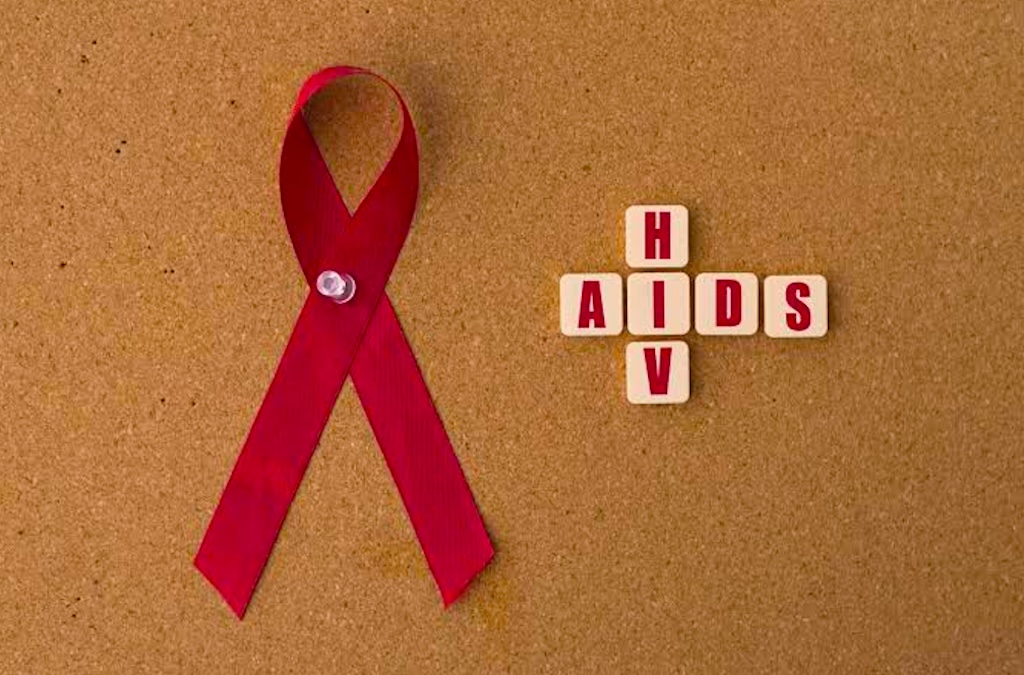
The Plateau State Government and health stakeholders are developing a five-year transition plan to sustain HIV prevention, treatment and care as international donor funding for HIV programmes in Nigeria declines.
Ibinibo Chukwuemeka, Director of Health Systems Strengthening at APIN Public Health Initiatives, said the changing funding landscape would require greater government ownership and stronger measures to sustain HIV services as donor support winds down, according to a report by the Africa Independent Television (AIT) on Wednesday.
The AIDS Prevention Initiative in Nigeria, now known as APIN Public Health Initiatives, has supported HIV prevention, treatment and care in Plateau State for about 25 years.
APIN says its programmes have expanded HIV treatment access to rural and peri-urban communities, including through primary healthcare facilities.
The proposed five-year framework is expected to guide the state in assuming greater responsibility for financing and coordinating HIV services while protecting gains recorded in prevention, testing, treatment and care.
Health officials, representatives of relevant government ministries and other stakeholders are working on strategies to mitigate the impact of the anticipated reduction in donor support and prevent disruption of services for people living with HIV.
Among the measures under consideration is the integration of HIV and AIDS services into the Plateau State Health Insurance Scheme.
Stakeholders are also exploring local sources of antiretroviral drugs to help ensure uninterrupted access to treatment as external funding declines.
The proposed transition framework would provide a roadmap for sustaining HIV interventions and clarifying the responsibilities of the state government and other stakeholders in financing and delivering essential services.
The development comes amid a broader shift in Nigeria’s HIV response towards greater domestic financing and government ownership.
In June, the Federal Government launched the National HIV and AIDS Strategic Plan 2026–2030, which prioritises domestic financing, expansion of health insurance and integration of HIV services into the broader healthcare system as the country seeks to reduce dependence on donor-supported interventions.
The need for alternative financing has become more pressing as international support for HIV programmes declines.
Nigeria’s existing national HIV financing framework has also identified locally produced antiretroviral drugs and increased government investment as potential ways of reducing the country’s funding vulnerability.
Plateau has previously taken steps towards greater domestic ownership of its HIV response.
READ ALSO: Body with parts removed found near Plateau market
At the state’s 2025 World AIDS Day commemoration, officials disclosed that 51,370 people were living with HIV in the state as of September 2025, while 47,056 adults and 1,835 children were receiving antiretroviral therapy.
The state’s HIV response recorded 2,786 new infections and 460 HIV-related deaths in 2024, according to figures presented by the Plateau State Commissioner for Health, Nicholas Ba’amlong, in December 2025.
The success of the proposed transition will depend largely on sustained government funding, effective planning and the ability of the state health system to absorb services previously supported by external partners.
For people living with HIV, stakeholders say ensuring uninterrupted access to antiretroviral treatment and other essential services must remain central to the transition.
Discover more from Premium Times Nigeria
Subscribe to get the latest posts sent to your email.
-

 News3 days ago
2027: El-Rufai’s detention could hurt APC, generate sympathy – SEDSAC director, other analysts express views
-
News3 days ago
Nigerians warned as AI creates new sextortion threat – Technology Times
-
News2 days ago
Lucid Motors’ EV output falls to lowest level in almost 2 years
-
Business3 days ago
NAIPE 11th Annual Conference Moves to 12 Noon as 28 Stakeholders Back Event