News
“No Perpetrator Should Escape Justice Again,” GEOC Tells Stakeholders as Plateau Reviews GBV Failures


As Plateau Observes the Global 16 Days of Activism Against Gender-Based Violence
Stakeholders in Plateau State have declared that the era of gender-based violence (GBV) suspects escaping justice must end, following a tense and highly revealing engagement convened by the Plateau State Gender and Equal Opportunities Commission (GEOC) as part of the 2025 16 Days of Activism Against Gender-Based Violence.
The meeting, held on December 5, 2025, at Enayi Hotel, Zarmaganda, Jos South, brought together the police, NAPTIP, NSCDC, Ministry of Justice, Child Protection Network and civil society organisations to dissect recurring failures in case handling, referral processes, community interference and prosecutorial delays.


“Forgiveness is not justice,” GEOC warns traditional and religious communities
GEOC Chairperson, Barr. Olivia Dazyam, opened the dialogue with a sharp rebuke of cultural practices that pressure victims to withdraw cases in the name of peace.
“As we forgive, we undermine the legal framework. Forgiveness cannot remove HIV, cannot erase trauma, cannot cure sexually transmitted infections. Perpetrators must face justice,” she said.
She recounted cases where communities frustrated investigations, suspects hosted celebratory parties after being released, and even instances where court clerks altered dates, nearly leading to wrongful dismissal of cases.

Police: “We fund cases with our personal money”
The O/C Legal of the Plateau State Police Command, Ikutanwa Samuel Idowu, exposed the chronic underfunding and cultural barriers undermining police work.
According to him, many families plead for cases to be dropped — even in defilement of children as young as three.
“Sometimes the victims’ parents beg us to stop the case. But when we insist on justice, they call us wicked. Logistics is another problem. We even use our personal money to prosecute cases,” he lamented.
He narrated incidents where victims disappeared, medical tests were delayed for months, and families refused to cooperate, leaving investigators helpless.

Ministry of Justice: “Cases die on arrival when investigations ignore Section 38”
Barr. Yilji David Nanfwang, Deputy Director of Public Prosecutions, said poorly documented investigations remain the biggest threat to securing convictions.
“Once Section 38 of the ACJL is not complied with — especially proper recording of statements — the case is dead on arrival. The court will throw it out,” he stated.
He said the ministry has improved the speed of issuing legal advice but still battles gaps such as:
- missing remand records,
- incomplete case diaries,
- suspects jumping bail, and
- delays caused by agencies duplicating work.
The ministry also confirmed that Plateau’s judiciary has yet to act on a proposal for professional bondmen who would guarantee that suspects released on bail do not abscond.

NAPTIP: “We don’t restart cases — we close gaps police missed”
NAPTIP Commander, Adole Alexander, clarified the agency’s process when receiving cases from police.
“Human trafficking is intricate. We do not start afresh. We fill the gaps necessary for conviction. If the victim is still in Mali or Togo, we must take fresh statements,” she explained.
NAPTIP insisted it works closely with the police, but trafficking cases demand deeper, specialized interrogation that cannot be skipped.

Child Protection Network Raises Alarm: “Rescued children are traumatized and confused”
Child protection advocate Grace Adams shared concerns about the emotional distress of rescued trafficked children.
“Some children cry for days after rescue because they don’t understand what is happening. We need psychologists on standby. Rescue without trauma care is dangerous,” she said.
She cited cases where rescued children wanted to run away from shelters, and families showed no enthusiasm to receive them.

Her colleague, Sandra Chikan, emphasized the need for a strong referral pathway:
“Three agencies sometimes handle one case, yet the case still collapses. Without a clear pathway, we waste resources and lose evidence, Let us take this awareness to churches, villages, markets. Trafficking is happening every day.”” she said.
She urged stronger community engagement, family strengthening and revival of family values, noting that poverty and the erosion of parenting culture fuel trafficking.

Human Rights Commission: “Data is the most powerful tool we have”
The State Coordinator of the National Human Rights Commission (NHRC), Mrs. Kiyenpiya Mafuyai, PhD, stressed the need for a unified GBV data system to strengthen accountability.
“We may not control prosecutions, but we control data. Every agency here has cases. Let us commit to monthly data submission starting 2026.”
She called for:
-
a central data hub managed through the Ministry of Women Affairs and GEOC
-
advocacy for government-run shelters
-
employment of government psychologists for trauma care
-
strong action against affidavits used to kill cases
-
training for prosecutors on protection orders and family interference
“Affidavits that undermine justice should not be entertained in the courts. We must speak with one voice and protect survivors,” she added.

WRAPA: “Communities must take ownership — they know their pain”
Representing WRAPA, Ruth Abwo, Assistant Coordinator, gave a detailed update on community-centered interventions across FASA LGA and surrounding communities.
She said WRAPA has:
-
segmented communities
-
engaged faith and traditional leaders
-
supported young girls
-
introduced local by-laws
-
promoted a culture of accountability among residents
Abwo narrated the emotional case of a woman still hoping for the return of her trafficked child.
“Every community understands its pain. They must lead the fight. They’re the ones who bring perpetrators or hide them.”
She revealed that WRAPA, with support from community structures and the First Lady’s office, will begin market-based sensitization, extending the GBV campaign beyond formal gatherings.

Immigration: “Children are trafficked daily”
Assistant Comptroller of Immigration, Tubi Adejoke, gave a sobering account of child trafficking patterns in Plateau State.
“Poverty is pushing parents to give out children for trafficking. A child you carried for nine months — somebody brings a certificate and takes them to Lagos or Burkina Faso for exploitation.”
She described cases where:
-
children as young as three years are forced into domestic servitude
-
traffickers collect monthly payments while victims suffer
-
young girls are transported across borders within days
-
parents remain unaware of the dangers

GEOC: Plateau Must Stop Ranking Low on National GBV Indices
Dazyam noted that Plateau placed 17th nationwide in the 2025 Womanity Index on GBV response — an indicator that the state still has “a long journey to true justice.”
She proposed a structured GBV Management Framework with four pillars:
- Prevention
- Response
- Recovery and reintegration
- Coordination, data and accountability
She pushed for Standard Operating Procedures (SOPs), joint investigations, survivor-centered protocols, and full enforcement of the Child Rights, GEO, VAPP and other protective laws.
“Let this be an era of accountability”
In her closing remarks, Dazyam charged agencies to end the long-standing fragmentation that allows perpetrators to walk free.
“No perpetrator should escape justice again. Survivors deserve timely action, not excuses. Let collaboration replace competition,” she declared.
The engagement ended with a collective agreement to harmonize referral pathways, close investigative gaps, support survivors’ trauma recovery, and strengthen prosecution to ensure that GBV is decisively tackled in Plateau State.


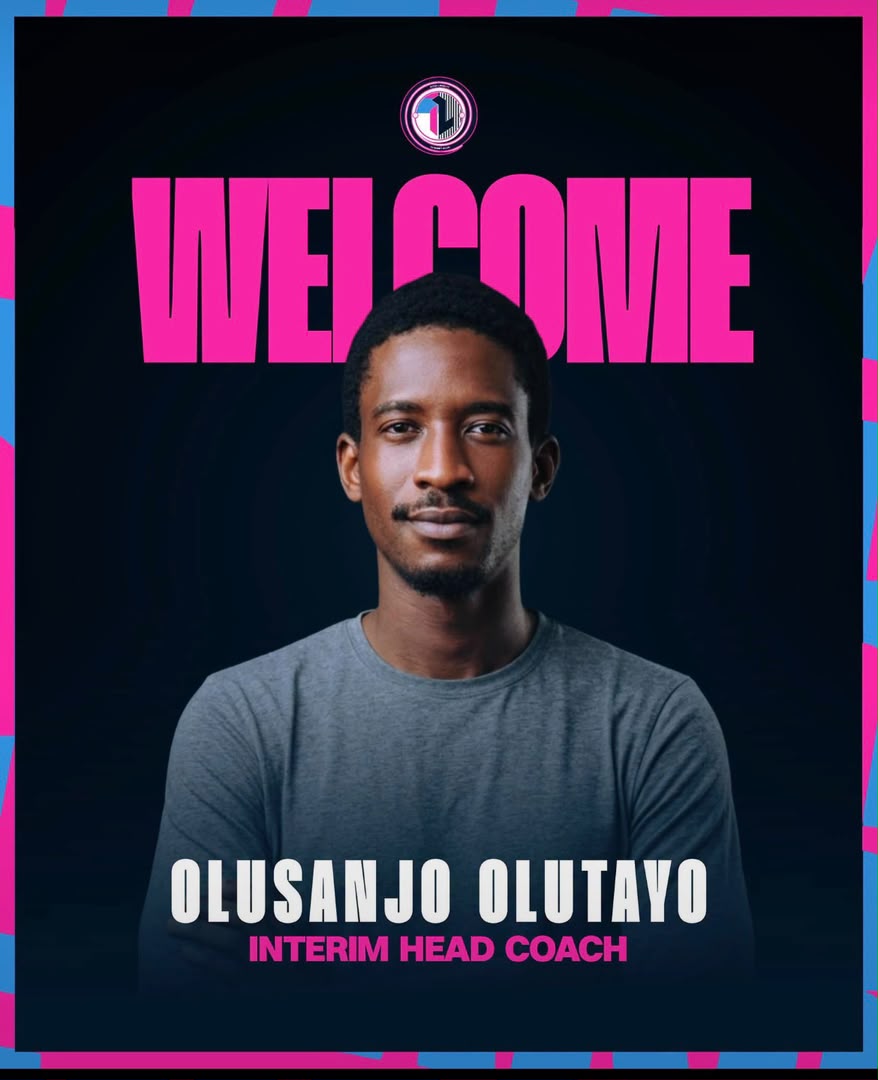
Inter Lagos have appointed Olusanjo Olutayo as their interim head coach following the departure of Shakiru Giwa.
READ ALSO: EuroMatch NPFL: Shakiru Giwa Steps Down as Inter Lagos Head Coach | Sports247 Nigeria
The Lagos-based club announced the appointment on its official social media page, welcoming Olutayo to the role as they prepare for their next fixture in the Nigeria Premier Football League (NPFL).
“We are pleased to announce Coach Olusanjo Olutayo as our interim Head Coach. Welcome on board!” the club stated.
Sports247 had earlier reported Giwa’s departure from the club on Tuesday, October 13, after he stepped down from his position as head coach.
Giwa was instrumental in Inter Lagos’ promotion from the Nigeria National League (NNL) to the NPFL, marking a significant milestone in the club’s history.
However, the newly promoted side have struggled to make an impact in the top flight this season, with their opening eight league matches producing no victories.
Their latest setback was a 3-1 defeat away to Warri Wolves on Sunday, October 11, leaving them with just two points from eight matches.
Olutayo’s appointment now gives Inter Lagos a new coaching direction as they seek to improve their performances and turn their fortunes around in the league.
The interim coach will face the immediate task of preparing the team for their next NPFL encounter against Nasarawa United on Sunday, October 18.
The match presents an opportunity for Inter Lagos to begin a new chapter under their interim manager as they continue their search for a first league victory of the 2026/27 campaign.
The club has not yet announced whether Olutayo’s appointment will become permanent or how long he is expected to remain in charge.
-

 News4 days ago
Microsoft’s Satya Nadella says AI models need an ‘emergency brake’
-
Business3 days ago
Veritas Kapital CEO Nwakuche Joins Coal City University Governing Council
-
News2 days ago
Meta releases its first frontier model, Muse Wonder
-
News3 days ago
2027: INEC publishes final names of governorship candidates across states [FULL LIST]