Business
WAJENAS Hope Foundation provides relief items to Bassa Community in Plateau State


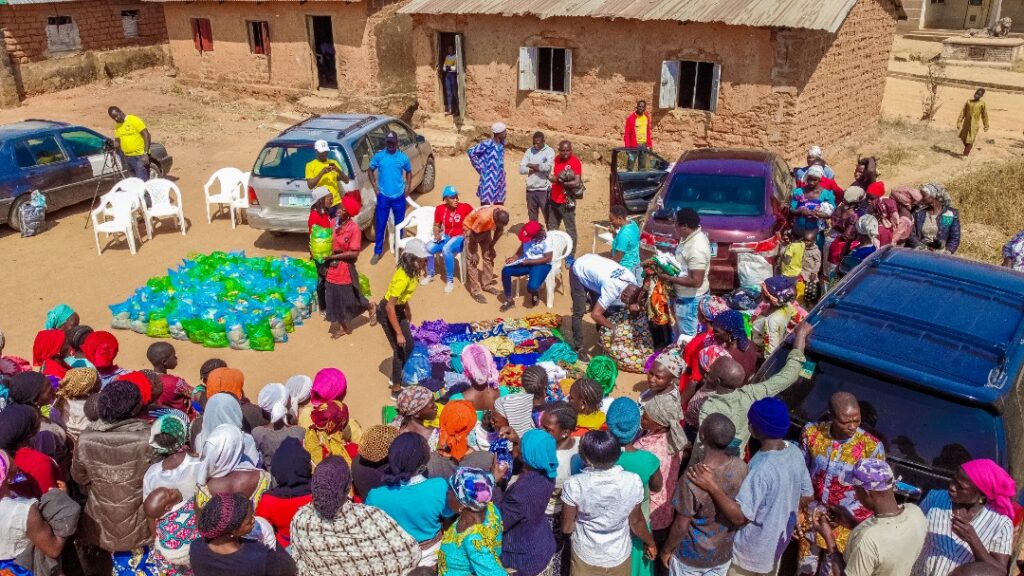
WAJENAS HOPE FOUNDATION, a non-profit and non-governmental organization over the weekend provided Relief materials in clothing and food items to displaced persons from Jebbu and ta’agbe Community in Miango, Bassa LGA of Plateau State.
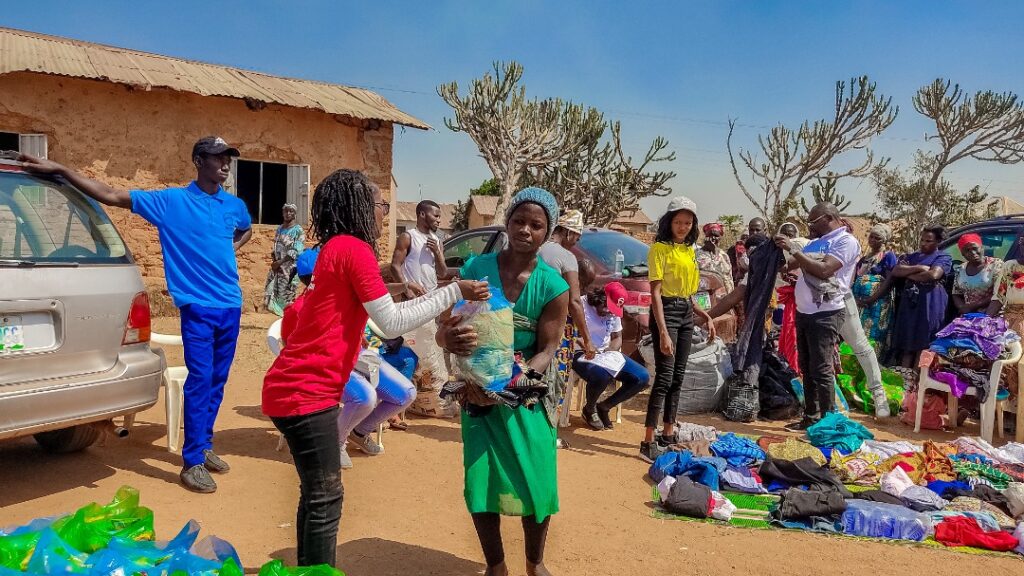
The Foundation on arrival at Miango on Saturday 11th December was received by an unprecedented number of displaced families who were already organized and awaiting at the premises of the ECWA church, Miango.
Coordinator WHF, Mr. Charles Joel while addressing the crowd in his opening remark, introduced the organization, its management and staff as well as some volunteers who were present. He said WAJENAS HOPE FOUNDATION exists to ensure that every human being has the opportunity to live peacefully and be prosperous.
He encouraged the people to remain steadfast and resilient in the face of the prevailing security challenges and remain resolute in defending their territory using modern gadgets.
Mr Charles stated that the Organization is expressing sadness over the loss of lives and properties and has joined to grief with the people of the community after seeing the extent of damage and the unabated attacks. He noted with dismay the under-reportage by the media and went on to assure the community of further support in the future.
Also speaking, Miss Dirmicit Binyir Pyentim, The program manager for WHF, stated that the beneficiaries profiled were children, women, youths and the elderly who were amongst, those displaced during the recent attacks in the community.
She said the Organization identified one hundred and ten (110) persons for foodstuffs relief with over two hundred and twenty (220) persons receiving clothing and shoes.
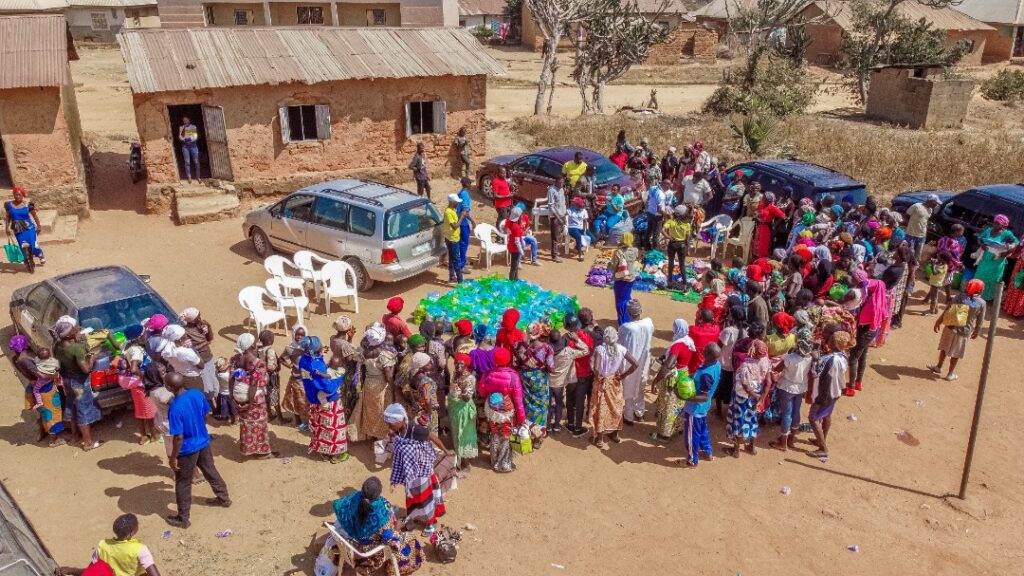
The beneficiaries after receiving the items provided were full of smiles and expressed gratitude for the kind gesture extended to them by WAJENAS Hope Foundation.
Speaking on behalf of the Beneficiaries, Rt Rev. Sunday Rama, showered prayers and encomiums on the organization and wished her more growth to positively affect the lives of others. He called on the Government and more Organizations to come to the aid of the people as they were witnessing untold hardship.


WAJENAS HOPE FOUNDATION, a non-profit and non-political organization aimed at giving hope to the less-privilege and making the world a better place by contributing to the welfare of women, youth and children, was established in September 2018.
WAJENAS HOPE FOUNDATION is united across ethnic, religious and social lines with the aims of promoting empowerment, healthy living and national development through awareness/advocacy, workshops, training and mentoring on sustainable interventions.




The Federal Government says Fitch Ratings’ decision to revise Nigeria’s credit rating outlook from Stable to Positive reflects progress in economic reforms, foreign exchange market adjustments and efforts to strengthen the country’s external position.
Fitch announced the revision on 9 October, retaining Nigeria’s long-term foreign-currency issuer default rating at ‘B’.
In a statement issued on Saturday, the Minister of Finance and Coordinating Minister of the Economy, Taiwo Oyedele, said Fitch cited increased foreign exchange reserves, easing inflation and improved economic prospects among the factors supporting the outlook revision.
According to the minister, Nigeria’s gross foreign exchange reserves rose to $54.9 billion as of 25 September 2026, from $32 billion in mid-April 2024.
He attributed the increase to more formalised foreign exchange transactions, portfolio inflows, higher exports and remittances.
Fitch also projected that Nigeria would record a current account surplus equivalent to 6.4 per cent of gross domestic product in 2026.


Economic growth and inflation
The ratings agency projected that Nigeria’s real gross domestic product would grow by 4.3 per cent in 2026, compared with 4 per cent in 2025, with growth remaining above 4 per cent in 2027 and 2028.
Fitch expects non-oil activities to remain the main driver of economic expansion.
The projection comes as Nigeria’s economy recorded growth of 4.43 per cent year-on-year in the second quarter of 2026, according to the National Bureau of Statistics (NBS).
The figure was higher than the 3.89 per cent recorded in the first quarter of 2026 and the 4.23 per cent recorded in the corresponding quarter of 2025.
The World Bank’s October 2026 Nigeria Development Update projected average annual economic growth of 4.4 per cent between 2026 and 2028, identifying services and agriculture among the contributors to economic activity.
On inflation, Fitch projected an average rate of 15.4 per cent in 2026, less than half the level recorded in 2024.
The NBS reported that Nigeria’s headline inflation rate eased marginally to 15.39 per cent in August 2026, from 15.43 per cent in July.
The figures provide recent context for Fitch’s assessment of inflation, although the agency’s annual average forecast is different from the monthly inflation rate reported by the NBS.
Reserves, oil production and public debt
Fitch also noted developments in Nigeria’s oil sector, including crude oil production meeting the country’s OPEC target of 1.5 million barrels per day from May 2026.
Mr Oyedele said increased domestic refining was helping to reduce fuel imports and foreign exchange demand.
On public finances, Fitch expects Nigeria’s tax reforms to increase non-oil revenue relative to the size of the economy.
The agency projected that general government debt would average 32 per cent of GDP between 2026 and 2028, below the median of 56 per cent for countries with a ‘B’ rating.
Fitch also highlighted Nigeria’s domestic debt market and the banking sector recapitalisation exercise, noting that many banks had capital adequacy ratios above 20 per cent.
However, the agency identified persistent challenges, including inflation remaining above levels in peer countries, government revenue being low relative to the size of the economy, and interest payments accounting for a high proportion of government revenue.
The minister said the federal government would continue implementing reforms aimed at increasing revenue, improving spending efficiency, strengthening debt management and supporting non-oil economic growth.
Other rating developments
The Fitch decision follows other developments in Nigeria’s international credit assessments.
READ ALSO: FG to negotiate ₦1,350 petrol price ceiling as global oil shock drives pump prices
In May 2026, S&P Global Ratings upgraded Nigeria’s credit rating from ‘B-’ to ‘B’. In August, Moody’s revised its outlook on Nigeria to Positive while retaining its ‘B3’ rating.
Mr Oyedele noted that the government’s medium-term objective remained to improve Nigeria’s credit standing and work towards investment-grade status.
He said the administration would continue to focus on foreign exchange market reforms, tax revenue mobilisation, fiscal governance, more efficient public spending and growth in non-oil sectors.
The minister said its broader objective was to “translate economic reforms into jobs, food security, support for small businesses and improved living standards”.
Discover more from Premium Times Nigeria
Subscribe to get the latest posts sent to your email.
-

 Business2 days ago
Communications Ministry made ₦345.5 million duplicate payment for Abuja ICT Park project
-
Business3 days ago
Fuel subsidy would cost Nigeria over N20trn yearly — Minister
-
News2 days ago
LumenUs helps automate tedious paperwork in times of grief
-
News2 days ago
Inside INEC’s AI and cybersecurity plans to secure Nigeria’s 2027 Elections – Technology Times