Business
Justice, Peace & Reconciliation Movement JPRM holds 2021 refreshers course for staff & executive members.


The President of Justice, Peace and Reconciliation Movement(JPRM), Rev. Dr Hon. Habila M. Istifanus has described the 2021 “Refreshers course for the Executive Members and Staff of the organization as a Learning opportunity where participants will experience a lot.
Rev Habila, encouraged participants to remove all sentiments and be willing to learn and participate as much as possible so as to be able to gain the much-needed experience. He noted that as members of the Organization, it was of utmost importance to develop a receptive mind that accommodates and tolerates others thereby making people happy.
The President also expressed delight that the refreshers course was being held at the magnificent facility of the Peace Orientation Centre owned by the Justice Peace and Reconciliation Movement as such encouraged a proper use of the facility.

The Chairman of the Board, Mr. Benjamin Gangkero, while also delivering his welcome address, noted that essential and regular training was the bedrock of many successful organizations, as such JPRM has over the years consistently organized refresher courses as well as orientation for her staff which was highly commendable.
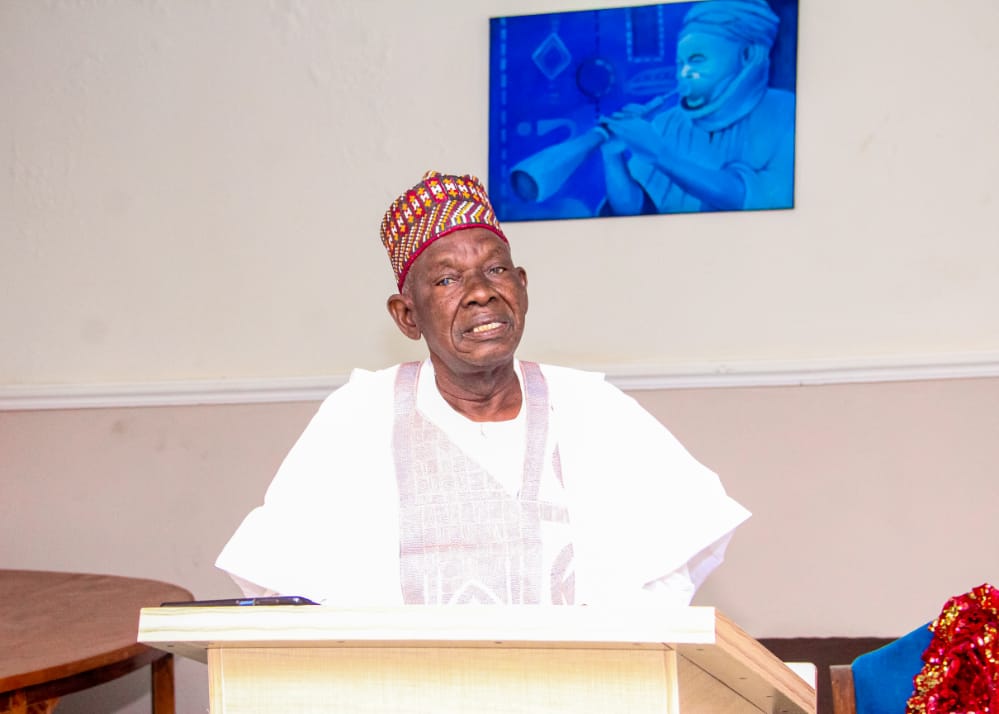
The Chairman of the Board, Mr. Benjamin Gangkero
He said the 2021 training should be taken seriously and seen as an opportunity to reflect on past experiences/courses and a mind opener from the resource personnel which will include some staff and executive council members.

Mr. Gangkero further called on the management to ensure that issues raised at workshops and courses are seen to a logical conclusion thereby executing programs and ideas which will go a long way in moving the organization forward.
Also speaking, the Executive Director of JPRM, Elder Amb. Justina Ngwobia said participants were carefully selected as representatives from well over 30 communities at the refreshers training, gathered from 4 different states in Nigeria.

Executive Director of JPRM, Elder Amb. Justina Ngwobia
Elder Justina said the 2021 refreshers course for the executive members and staff provides an opportunity for learning with the expectation that participants will be able to go back to their various communities and step down whatever they have learnt.
“The participation of the Community Development Officers (CDOs) who were trained sometime last year was key as they will also be sharing achievements from their various communities which recounts as a period for stocktaking.” She said
She commended the relentless efforts of the President of the organization which has propelled the visitation of some other organizations for partnership. She noted that the training will involve some community exchange visits and sights seeing.

Principal Consultant JPRM, Mr Polycarp
The 2021 refreshers course for the executive members and staff Justice, Peace and Reconciliation Movement (JPRM) started on Monday 6th December to Saturday 11th December 2021 at the Peace Orientation and conference centre (POCC) Gwash Lamingo.
Justice, Peace and Reconciliation Movement (JPRM) is a Non- Governmental Organization that is geared towards sustainable positive social change. The Movement has over the years consolidated its activities; harnessing experiences gathered to become a specialized Movement that provides short trainings in Peace and Conflict Resolution, Human rights, Gender/Women Empowerment and Ecumenical Education.

On Thursday, an International Arbitration Tribunal under the auspices of the International Chamber of Commerce (ICC) in Paris issued an award in favour of Nigeria, rejecting the claims in the arbitration instituted by Sunrise Power and Transmission Company Ltd (Sunrise).
The company had made a claim against the Federal Republic of Nigeria, demanding $680 million as a settlement sum and interest in respect of another arbitration in which it is claiming over $2.7 billion in compensation and interest.
The claim relates to disputes associated with the development of the 3,960 MW Mambila Hydroelectric Power Project in Taraba State.
The tribunal, in its verdict on Thursday, directed Sunrise and its promoter to refund Nigeria’s legal fees of $11.8 million.
It also rejected Sunrise’s claim for an order that Nigeria should pay the company $400 million in satisfaction of the settlement sum of $200 million and the default sum of $200 million.
The tribunal insisted that Leno Adesanya, the promoter of Sunrise, is bound by the arbitration agreement with Nigeria pursuant to the settlement agreement, adding that the tribunal has jurisdiction over Nigeria’s counterclaim against him and his firm.


Tinubu speaks
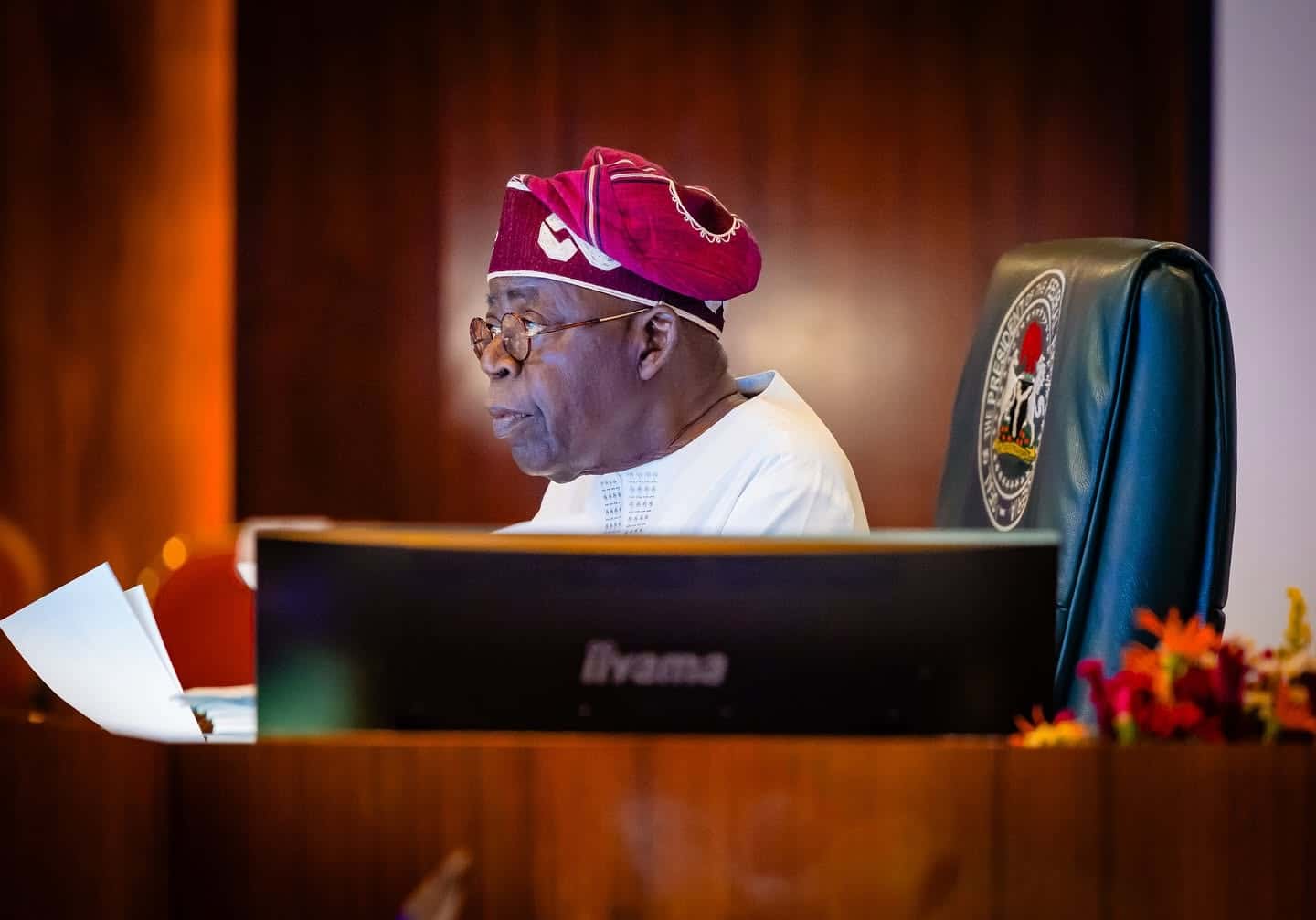
In his reaction Thursday evening, President Bola Tinubu said the latest decision affirms the Nigerian State’s determination not to succumb to predatory and exploitative claims by corrupt local and international entities and their enablers and funders.
“On behalf of the Government and People of the Federal Republic of Nigeria, I strongly commend the tremendous efforts of the Attorney-General of the Federation and Minister of Justice, Prince Lateef Fagbemi and the entire team at the Federal Ministry of Justice for their efforts in this matter,” the president said in a statement signed by presidential spokesperson, Bayo Onanuga.
“I also commend the FRN defence team, led by Ms Elizabeth Oger-Gross and Mr Tolu Obamuroh, both of Paul Hastings LLP, for their professional and excellent defence of the country.
“I commend the patriotism and support of former President Olusegun Obasanjo, GCFR, and late President Muhammadu Buhari, GCFR, who testified in the case, which dated back to an illegal 2003 contract to build a 3,050-megawatt hydroelectric plant in Taraba State under a build-operate-transfer model. The Federal Executive Council never authorised the contract.”
READ ALSO: Shettima clarifies remarks on northern governors’ support for President Tinubu in 2023
Mr Tinubu also thanked the other witnesses in the case, including former Ministers Babatunde Raji Fashola, SAN, and Suleiman Adamu, as well as the experts, for their active participation in defending Nigeria’s interests in the arbitration.
“I commend the National Security Adviser for his support and the Economic and Financial Crimes Commission for its investigation into the case.
“I want to assure you that while our country remains committed to partnering with genuine investors and honouring its legal obligations, it will continue to defend all opportunistic claims instituted against our commonwealth strongly,” he said.
Thursday’s ICC ruling clears the single biggest legal hurdle that has paralysed the Mambilla hydro power project for years, the statement said.
Discover more from Premium Times Nigeria
Subscribe to get the latest posts sent to your email.
-

 News2 days ago
Nigeria Takes on the World! Chess Stars Begin 2026 Olympiad Battle in Samarkand
-
News3 days ago
Felix Arome Assumes Office as Director-General of Front Line Alliance Network
-
Health3 days ago
97% of PHCs in 16 states fail national staffing standards – Report
-
Health4 days ago
Nigerian senator receives Health Champion 2026 award, calls for stronger health financing