News
US Missionary Alex Barbir Expelled from Nigeria Over Speech Fueling Insecurity




News
“Our Boxers Are Good, We Will Surely Do Well” — Capt. Kashim Backs Nigerian Fighters, Praises NBF President in Nairobi

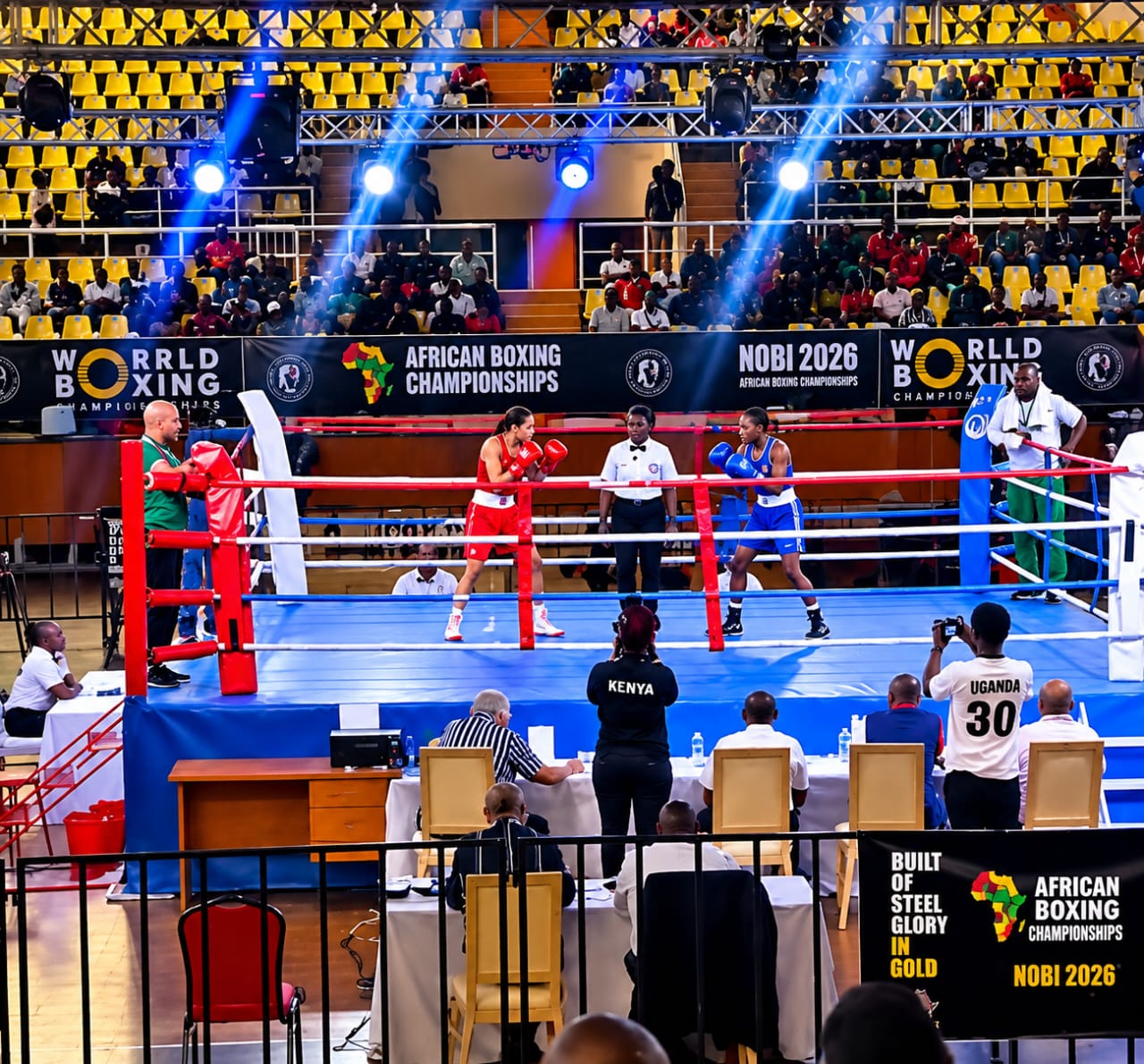
Despite challenging results at the ongoing African Boxing Elite Championships 2026, Nigeria’s Head of Delegation, Capt. Rasulun Kashim, has expressed confidence in the country’s boxing prospects, insisting that sustained support and international exposure will produce stronger performances.
The Nigeria Boxing Federation board member made the declaration during an exclusive interview with Sports247 in Nairobi, where he praised the federation’s leadership for supporting the Nigerian contingent.
Kashim particularly commended the NBF president for the commitment demonstrated towards the team’s participation in the continental championship.
“I must commend our federation president. With the kind of support we are getting, I think we will surely do well,” he stated.
According to him, Nigeria arrived at the competition with strong belief in the abilities of its boxers and determination to compete favourably against other African nations.
Although some results have not gone Nigeria’s way, Kashim maintained that the athletes have demonstrated encouraging qualities.
“The boxers are good, and they are doing very well,” he said.
The delegation leader explained that developing successful athletes requires patience, regular competition and continuous investment in training and exposure.
He stressed that international tournaments offer important opportunities for Nigerian fighters to assess their abilities against opponents with different technical approaches.
Kashim also highlighted the importance of teamwork among federation officials, coaches, athletes and other stakeholders.
He believes that consistent institutional support will help Nigerian boxing overcome challenges and build a stronger foundation for future competitions.
The delegation leader’s comments come after Nigerian boxers Aishat Gbadamosi and Abdulramon Abdulwahab experienced disappointing decisions against opponents from Algeria and Egypt.
Rather than allowing those setbacks to define Nigeria’s participation, Kashim expressed confidence in the athletes’ abilities and future development.
He maintained that the federation’s support remains vital to helping the country’s boxing talents realise their potential.
For Kashim, the Nairobi championship is not simply about immediate victories but also about building experience, strengthening confidence and preparing Nigerian boxers for future success.
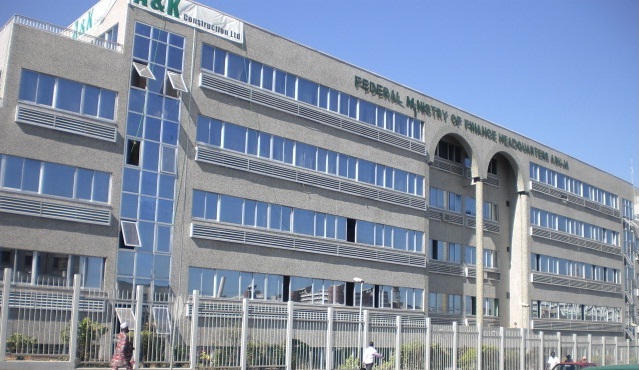
The Federal Ministry of Finance has disputed a claim that the Federal Government’s interest payments reached 124 per cent of its revenue in the first half of 2026, describing the figure as misleading.
The ministry said recent analysis and public commentary, which cited the World Bank’s October 2026 Nigeria Development Update, compared mismatched interest figures against an incomplete revenue base.
In a statement released on Sunday, the ministry said the 124 per cent interest calculation includes the debt serviced by the federal government on behalf of other tiers of government, including external loans to states.
“Measuring this against federal revenue alone overstates the ratio, which is only meaningful when debt and revenue cover the same level of government,” the statement said.
The ministry also asserted that the reported revenue is incomplete as it excludes the independent revenue earned by government agencies and enterprises but not yet remitted to the treasury.
“In addition, more revenue is typically earned in the second half of the year than in the first due to the statutory timing of certain payments. This is why the ratio stood at 156% in H1 2025, while the full-year 2025 debt service-to-revenue ratio was below 60%, down from 97% before the reforms,” it stated.


The ministry explained that federal revenue rose by 72 per cent from ₦3.6 trillion in the first half of 2025 to ₦6.2 trillion in the corresponding period of 2026.
Interest payments, however, rose by 38 per cent, from ₦5.6 trillion to ₦7.7 trillion over the same period, according to the ministry.
“The interest-to-revenue ratio fell by 32 percentage points in a single year, from 156% to 124%, and the gap between interest and revenue narrowed from ₦2.0 trillion to ₦1.5 trillion,” the ministry said.
The ministry attributed the changes to the current administration’s economic reforms, arguing that revenue is growing faster than interest costs.
It argued that a six-month figure alone should not be used to evaluate the sustainability of government debt.
“Debt sustainability is assessed on a full-year basis, not over six months,” the statement said.
READ ALSO: Federal government approves upgrade of four South-South ports
Citing the World Bank report, the ministry said Nigeria’s full-year 2026 debt service, covering both interest and principal, is projected at 46 per cent of revenue, and that this forecast is the appropriate benchmark for assessing the country’s debt-service burden.
The ministry noted that all borrowing falls within the limits approved by the National Assembly under the 2026 Appropriation Act and the approved borrowing plan, in compliance with the Fiscal Responsibility Act 2007 and the Debt Management Office (Establishment) Act 2003.
“We encourage analysts and commentators to apply the same rigour they seek to hold the government to: compare like with like, read figures in context, and seek clarification where the data is unclear,” the ministry said.
Discover more from Premium Times Nigeria
Subscribe to get the latest posts sent to your email.
-
News3 days ago
Miners Association Seeks Support To Unlock $3bn Gemstone Export Potential
-

 Health3 days ago
Katsina health professionals declare 7-day warning strike
-
Health4 days ago
Kenya confirms second Ebola case as contact develops symptoms in quarantine
-
News4 days ago
Ricursive Intelligence is betting on AI-designed chips to help solve the compute crisis