Health
Terrorists planning to kidnap doctors, nurses to treat wounded, sick insurgents, Plateau hospital CMD warns in internal memo


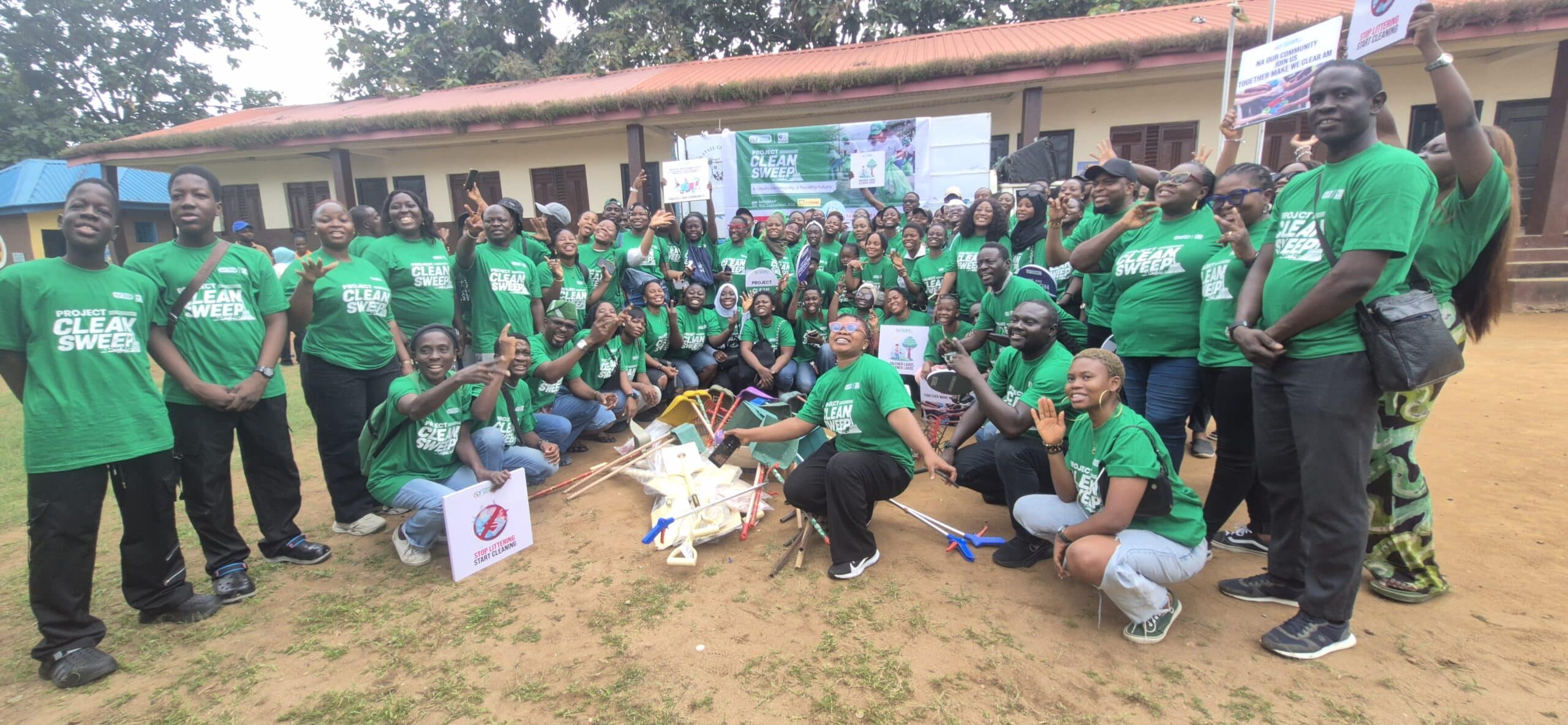
Fidson Healthcare Plc has mobilised its staff and volunteers to clean communities in Lagos as part of activities to mark World Cleanup Day 2026.
The exercise, held on Saturday morning, took place around Obanikoro, Fadeyi, Palmgrove and Shomolu axis of Lagos state, with employees of the company and volunteers participating in the cleanup and environmental hygiene advocacy.
The initiative, tagged Project Clean Sweep 2026, was organised by Fidson in partnership with the African Cleanup Initiative (ACI) as part of its corporate social responsibility (CSR) and sustainability initiative.
The Lagos Waste Management Authority (LAWMA) also participated in the exercise, with its advocacy team supporting the organisers.
World Cleanup Day is an annual global movement held on 20 September to tackle waste pollution and promote sustainable resource management.
Fidson links clean environment to health
In her remarks, Adejoke Alli, the Associate Director of Business Operations at Fidson Healthcare, said the company organised the exercise to contribute to a cleaner and healthier environment in its host community.



“The whole idea is to do our part to ensure that we have a greener Lagos and a greener environment, particularly in our host community around Obanikoro, Fadeyi, Shipeolu and Shomolu, where our head office is located,” Ms Alli said.
“We are very passionate about environmental sustainability. Environmental, Social and Governance (ESG) is also part of our governance framework, so we are particularly interested in ensuring that we maintain an environment with a less carbon footprint, an environment that is clean and habitable, and one that can promote good health.”
She noted beyond just talking or complaining, the organisation decided to take action so that people can see that “we can all make a difference.”
“This is something that we are very proud of, and we hope we’ll continue to do this for the future,” she added.
Tosin Shoboyede, Human Resources Business Partner at Fidson Healthcare, said environmental cleanliness is part of the company’s commitment to its motto, “We value life.”
Mr Shoboyede said maintaining a clean environment was one way of promoting healthy living.
He described the exercise as part of Fidson’s effort to give back to society and contribute to a cleaner environment.
Organisers call for community action
Alexander Kibe, Founder and President of the ACI, said the organisation had been involved in environmental cleanup activities for 16 years, working across Nigeria’s six geopolitical zones.
Mr Kibe said the group was combining the cleanup with advocacy because cleaning the environment without changing people’s behaviour would not provide a lasting solution.

As part of the exercise, the volunteers also went into the market around the area to clean and engage traders on the need to keep their surroundings clean.
“We cannot leave everything to the government,” Mr Kibe said. “As the African Cleanup Initiative, we are playing our part, and Fidson Healthcare is also playing its part.”
He said residents, traders and passers-by also have a responsibility to keep their surroundings clean.
Mr Kibe said the organisers were engaging members of the communities to encourage them to maintain the environment after the cleanup exercise.
Volunteers urge residents to take responsibility
Munnir Adams, Founder of Climb with Me and a volunteer with the ACI, said improving waste management systems would not be enough without citizens taking responsibility for their surroundings.
 Mr Adams said residents should contribute actively to keeping their streets, gutters and areas around their homes clean instead of only complaining about poor waste management.
Rachel Coker, another volunteer with the ACI, said she had participated in the organisation’s activities for more than a year.
Ms Coker said regular environmental sanitation could help reduce exposure to germs and diseases and also contribute to people’s psychological wellbeing.
She said the volunteers were also seeking to set an example for residents and encourage them to make environmental cleanliness a regular habit.
Discover more from Premium Times Nigeria
Subscribe to get the latest posts sent to your email.
-

 News4 days ago
Al Gore has a surprisingly calm take on the AI data center backlash
-
News3 days ago
Tinubu’ll win presidency with 65 percent votes – Jibrin
-
News3 days ago
Crusoe raises $3.9B to build massive data centers and small modular “AI factories”
-
Business3 days ago
FG moves to clear export grant backlog, reform EEG scheme