News
PLABOMA, Commissioner Doeyok Align on Media Drive to Reposition Plateau as Tourism Hub

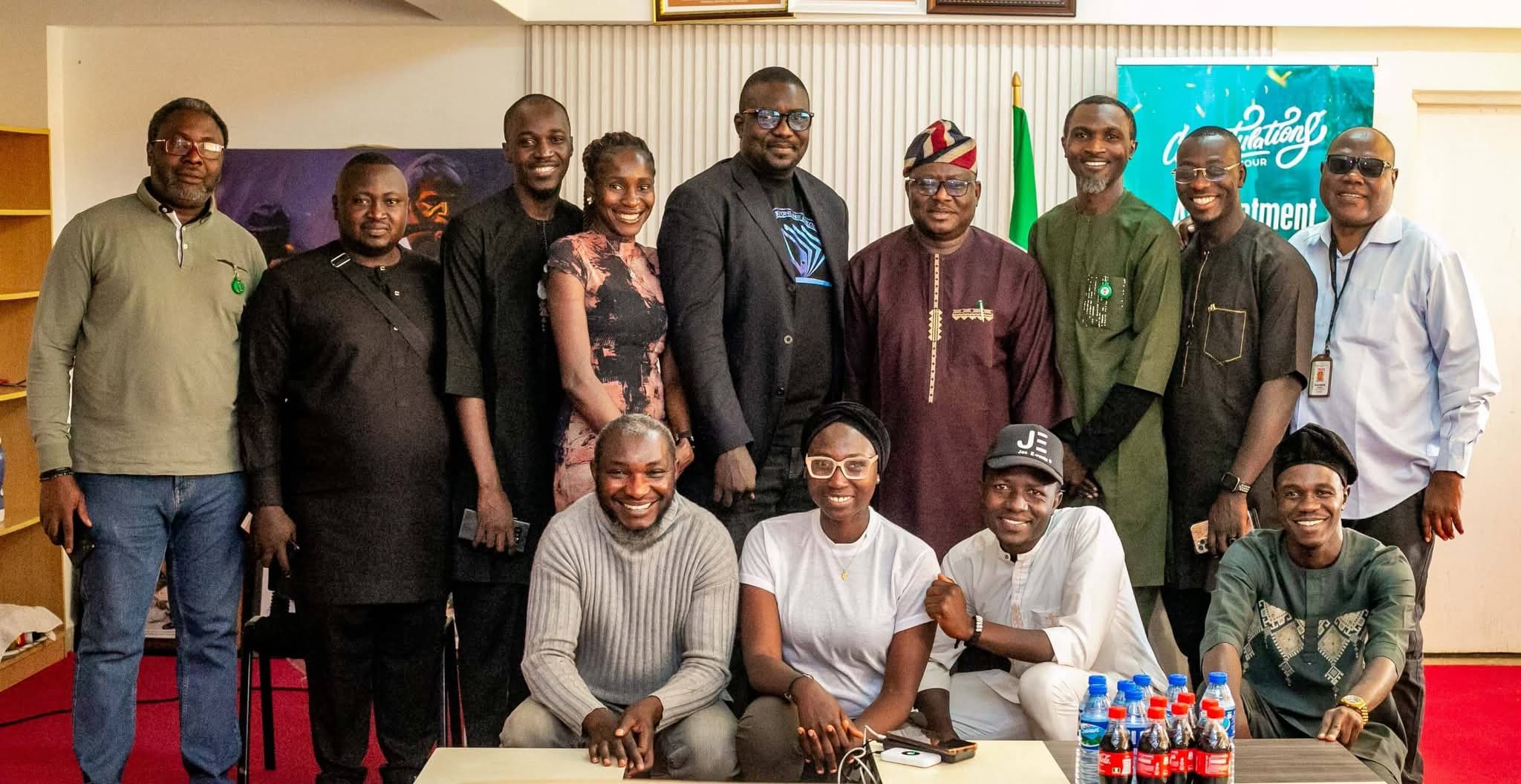
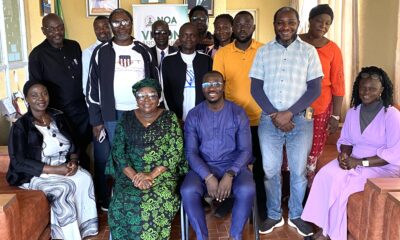
The Plateau State Bloggers and Online Media Association (PLABOMA) has paid a courtesy visit to the Honourable Commissioner for Tourism, Culture and Hospitality, Hon. Cornelius Dongnaan Doeyok, with both parties agreeing on the need for a stronger media-driven strategy to reposition Plateau State as a leading tourism destination.
Welcoming the delegation, Hon. Doeyok expressed appreciation for the visit, describing it as timely and strategic. He acknowledged that despite Plateau’s long-standing reputation as the “Home of Peace and Tourism,” the state has not done enough to effectively tell its story and showcase its vast tourism, cultural and hospitality assets to the world.
“One of the things I have identified so far is that we have not been able to amplify our story,” the commissioner said. “We have the climate, the landscapes, the cuisine, and rich cultural activities, but we have not put these in the faces of people within and outside the state. Media engagement is key to changing that.”
He noted that inadequate publicity affected some major tourism events in the past and admitted that limited engagement with online media platforms had slowed the ministry’s efforts. According to him, online media now plays a dominant role in shaping public perception, as most people consume news via digital platforms rather than print.
Hon. Doeyok stressed the importance of working collectively with credible media associations rather than individuals, explaining that collaboration with PLABOMA would help cut through bureaucratic bottlenecks and ensure consistent, professional storytelling about Plateau State.
“There is a lot of unverified content online today. Platforms like yours, with credibility built over time, can counter misinformation and help project Plateau in a positive light,” he said, adding that tourism should serve as a major economic driver for the state.
He further revealed that the ministry’s long-term vision includes creating experiences through festivals, cultural events and activities capable of attracting visitors, investors and creatives, especially during peak periods like December. He assured PLABOMA of the ministry’s openness and pledged deeper media involvement in the 2026 tourism agenda.

Speaking earlier, PLABOMA Chairman, Mr. Matthew Tegha, said the visit was to formally introduce the association to the commissioner and express its readiness to collaborate in promoting tourism, culture and hospitality in the state.
He explained that PLABOMA members operate across diverse digital platforms with both local and international audiences, placing them in a strong position to amplify government initiatives. He commended the commissioner for what he described as a visible revival of tourism and cultural activities in Plateau State, noting that such efforts were creating opportunities for youths and contributing to economic growth.
“As an association, we are open to partnerships and we already collaborate with several agencies and private organizations,” Tegha said. “We are ready to deploy our professional skills, vast followership and ethical media practice to support your policies and help project Plateau State positively.”
PLABOMA General Secretary, Mr. Ibrahim Kallamu, highlighted the association’s involvement in major tourism and cultural events across the state, including beauty pageants, creative roundtables, the Plateau Unity Christmas Carol, Enchanting Plateau, Plateau Cultural Carnival and the Jos Family Christmas Festival. He said consistent blogger participation had helped extend the reach of these events beyond the state.
“These events show that when bloggers are involved, Plateau’s tourism activities attract attention even outside the state,” he said, while also commending the ministry for its structured lineup of events.
Also speaking, a member of PLABOMA’s Board of Trustees, Mr. Audu Alex, observed increased social and economic activities across parts of Jos, describing it as a sign of gradual revival. He expressed optimism that sustained collaboration would help capture positive stories on the streets and restore confidence in the state.
The visit ended with both parties agreeing to sustain engagement, exchange proposals and build a working relationship aimed at ensuring that Plateau State’s tourism, culture and hospitality narratives gain national and global visibility.








-

 Business4 days ago
Nigeria’s business activity expands as household confidence weakens
-
News2 days ago
2027: El-Rufai’s detention could hurt APC, generate sympathy – SEDSAC director, other analysts express views
-
News3 days ago
Nigerians warned as AI creates new sextortion threat – Technology Times
-
Business2 days ago
NAIPE 11th Annual Conference Moves to 12 Noon as 28 Stakeholders Back Event