News
Nigeria Launches Groundbreaking Initiative to Integrate Peacebuilding into Climate Action





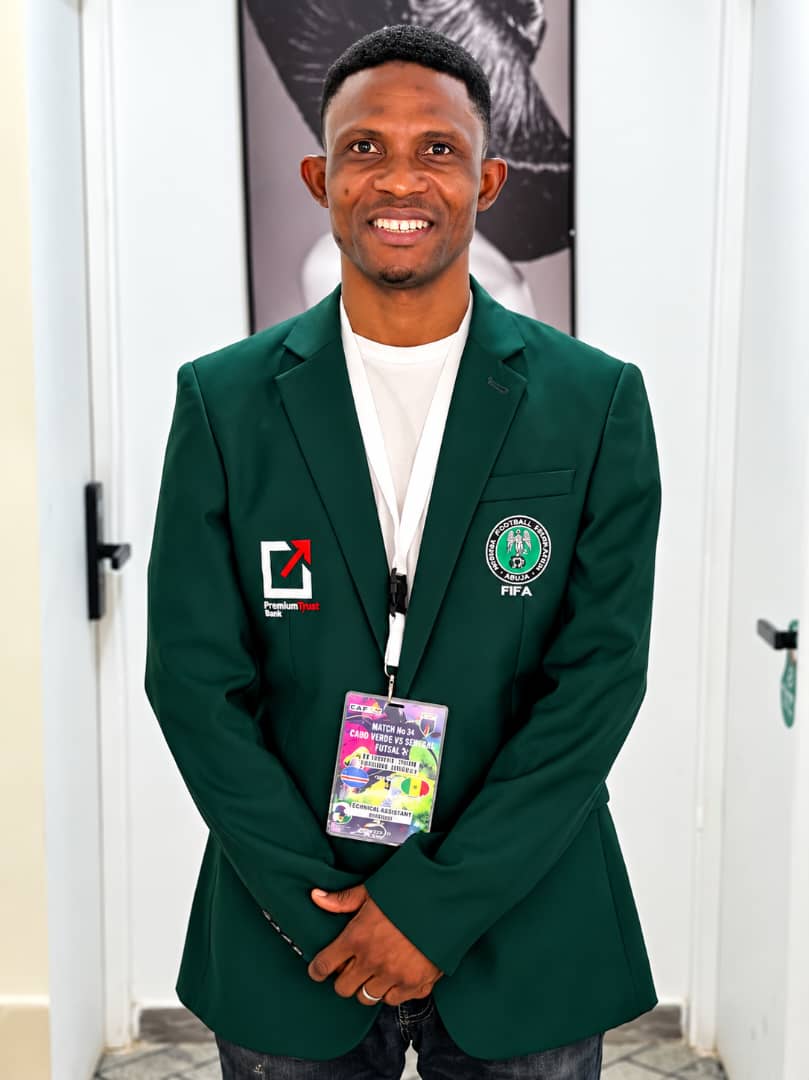
Nigerian FIFA referee John Tope Ojeleye will depart for Morocco later today after earning selection for the Confederation of African Football’s Futsal Pre-Tournament Course, marking another significant step in his rapidly growing international officiating career.
Ojeleye is one of only two Nigerian referees named among 30 officials from across Africa for the programme, with fellow Nigerian Bello Al Hassan Zuru also making the list.
The invitation continues an impressive rise for Ojeleye, who only received his first FIFA badge in 2025 after being elevated to the international list as a futsal referee. He was among three Nigerian match officials awarded FIFA status for the first time that year.
His progress did not stop with the badge.
Ojeleye subsequently received international assignments in the CAF Futsal Africa Cup of Nations qualifying series, including officiating duties during Cape Verde’s encounter with Senegal in Praia, providing valuable experience outside Nigeria.
His performances and development earned him another place on Nigeria’s FIFA international referees list for 2026, keeping him among the country’s recognised futsal officials.
The Morocco invitation now provides another opportunity for Ojeleye to work alongside some of Africa’s leading futsal referees and CAF instructors in an environment designed to prepare officials for the demands of elite continental competition.
Ojeleye has also remained active in conventional football at home. He was recently appointed to officiate the Nigeria Premier Football League fixture between Niger Tornadoes and Kun Khalifat, highlighting his continued involvement in domestic football alongside his growing futsal career.
His contribution to grassroots football was equally recognised recently with a Special Recognition Award at the Holiday Gold Cup.
For Nigerian refereeing, Ojeleye’s latest continental opportunity represents another encouraging development at a time when producing officials capable of earning major CAF assignments remains an important objective.
And for Ojeleye personally, Morocco represents another rung on the ladder.
From earning the FIFA badge to handling continental assignments and now joining Africa’s selected futsal referees in Morocco, Ojeleye’s whistle is travelling farther — and Nigeria’s flag is going with him.

-

 Health2 days ago
Plateau: Medical Women Association of Nigeria Marks Older Persons Day with Free Outreach
-
News3 days ago
PLASU Opens Doors to Global Investors at 2nd Inaugural Lecture
-
News4 days ago
Nigeria At 66: Rotjimwa Yilyok Salutes President Tinubu, APC Leadership and Plateau Government
-
News4 days ago
Plateau Specialist Hospital Celebrates Nigeria at 66, Salutes Mutfwang’s Health Initiatives