Business
NCC warns telcos over poor network, assures improved service quality




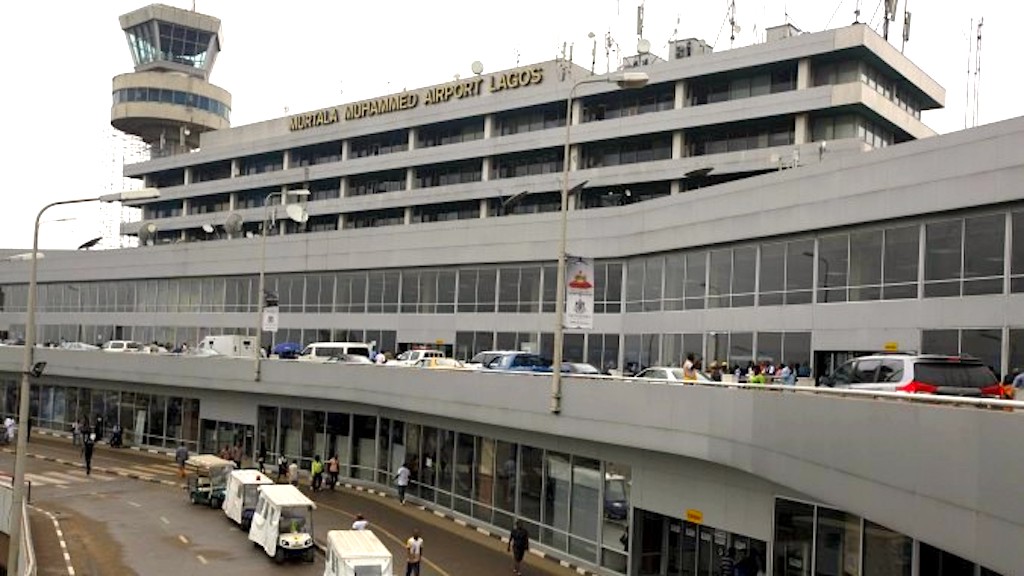

Nearly six in every 10 domestic flights operated by Nigerian airlines in August were delayed, according to a new report released by the Nigeria Civil Aviation Authority (NCAA), highlighting the difficulties faced by air travellers across the country.
The NCAA recorded 7,961 domestic flights during the month, of which 4,765 were delayed. Put simply, about 60 per cent of the flights did not leave at their scheduled times.
The regulator also recorded 36 cancelled flights during the month.
The figures were released days after the NCAA warned airlines over recurring flight delays, crew shortages and other operational problems, urging carriers to ensure their schedules match the aircraft and crew available to them.
Although the overall number of delays was high, most involved relatively short waiting periods.

The NCAA said 2,801 flights were delayed between 16 minutes and one hour. Another 1,322 flights were delayed by between one and two hours.
However, the disruption became more serious for hundreds of flights. A total of 407 flights were delayed by between two and three hours, while 235 flights were delayed for three hours or more.
In other words, more than 600 flights kept passengers waiting for at least two hours during the month.
The figures also show that the problem was spread across several airlines, although some carriers recorded significantly more delays than others.
Air Peace records highest number of delays
Air Peace recorded the highest number of delayed flights, with 1,330 delays from 1,864 flights operated in August; roughly seven out of every 10 Air Peace flights were delayed during the month.
Of its delayed flights, 666 were delayed by between 16 minutes and one hour, 400 by between one and two hours, 156 by between two and three hours, and 108 by three hours or more.
The airline also recorded seven cancellations.
United Nigeria Airlines recorded the second-highest number of delays, with 943 delayed flights out of 1,231 operations.
Its figures show that 442 flights were delayed by between 16 minutes and one hour, 344 by between one and two hours, 116 by between two and three hours, and 41 by three hours or more.
United Nigeria also recorded the highest number of cancellations, with eight flights cancelled during the month.
Enugu Air followed with 582 delayed flights from 878 operations, including 343 delays of between 16 minutes and one hour and 46 delays lasting three hours or more. The airline recorded four cancellations.
Meanwhile, Value Jet recorded 435 delays across 767 flights, while Ibom Air recorded 254 delays across 560 flights.
Aero recorded 246 delays from 469 flights, while Rano Air had 216 delays from 503 operations.
Max Air recorded 204 delays from 336 flights, while Arik had 188 delays from 301 operations.
Other airlines recorded lower numbers of delayed flights. Overland had 139 delays from 239 flights, Green Africa recorded 114 from 226 flights, Binani had 22 from 57 flights, XE Jet recorded 40 from 127 flights, and UMZA Air had 52 delays from 403 operations.
The NCAA recorded no flight operation for NGEagle during the month.
NCAA demands better planning
The figures come against the backdrop of renewed pressure from the aviation regulator for airlines to improve their handling of flight disruptions.
During separate meetings with Air Peace and Max Air at the NCAA headquarters in Abuja on 10 September, the Director-General of Civil Aviation, Chris Najomo, questioned the effectiveness of the operational buffers being maintained by airlines in view of recurring delays and cancellations.
While acknowledging that factors such as weather, diversions and airport restrictions could affect flight operations, Mr Najomo stressed the need for airlines to plan and maintain effective contingency arrangements.
He also called for better communication with passengers whenever disruptions occur.
At the meeting, the Chief Operating Officer of Air Peace, Oluwatoyin Olajide, said the airline had 20 aircraft, with five on ground and 15 serviceable. The airline said it deliberately operated between 80 and 85 flights daily to maintain a buffer against disruptions.
She attributed some of its recent operational problems to technical issues, including bird-strike damage, shortages of aircraft components and a cracked windshield, as well as weather and airport restrictions.
ALSO READ: Airlines resume flights after aviation unions temporarily suspend industrial action
The General Manager, Ground Operations/Business Development of Max Air, Raymond Omadiagbe, said the airline had three Boeing 737 aircraft available for domestic operations and that all three were serviceable. However, he said only two were being operated because of crew limitations.
The airline added that it had reduced its schedule to match the resources available to it and had also stopped late-night Kano operations following passenger feedback.
Both airlines identified pilot retention as one of the challenges affecting their operations.
The NCAA said it was supporting training-bond arrangements and considering measures to facilitate foreign crew validation, while stressing the importance of proper licence verification and simulator checks.
Mr Najomo said the regulator would continue to support airlines but expected operators to maintain realistic schedules, comply with aviation regulations and improve passenger care.
Discover more from Premium Times Nigeria
Subscribe to get the latest posts sent to your email.

Nigeria’s crude oil and condensate production rose by 0.4 per cent to 1,677,777 barrels per day (bpd) in August 2026.
The Nigeria Upstream Petroleum Regulatory Commission (NUPRC) disclosed this in its crude oil and condensate statistics report released on Sunday.
The commission said crude oil production, excluding condensate, averaged 1,500,190 bpd during the month under review.
It added that Nigeria met its Organisation of Petroleum Exporting Countries (OPEC) crude oil quota for the fourth consecutive month.
According to the report, combined crude oil and condensate production fluctuated between a daily low of 1.64 million barrels and a high of 1.71 million barrels.
The report showed that Bonny Terminal recorded the highest average production at 320.04 thousand barrels per day (kbpd).
Forcados Terminal followed closely, recording an average daily production of 317.40 kbpd during the month.
“Qua Iboe Terminal recorded an average production of 171.72kbpd of crude oil and condensates,” the report said.
It added that Escravos Oil Terminal recorded a daily average production of 131.71 kbpd during the period.
Bonga ranked fifth among the highest-producing terminals, with an average output of 92.50 kbpd of crude oil.
Factors behind the increase in production

The NUPRC attributed the modest increase in August production largely to the resolution of operational challenges involving the Single Buoy Mooring (SBM) at the Erha field.
The commission said the challenges had adversely affected production performance in the preceding month.
It explained that restoring normal evacuation and production operations at the Erha field contributed positively to overall production volumes in August.
“Production activities across most other producing assets remained relatively stable,” the report said.
It said operators continued implementing measures to optimise production efficiency, maintain asset integrity and minimise operational disruptions.
The commission added that routine production and crude evacuation operations were generally sustained across the industry during the period.
“These supported the observed improvement in output,” it said.
The report described the August increase as modest but said it reflected continuing industry efforts to address operational bottlenecks.
It said stakeholders were also working to restore affected production capacity and support sustained growth in the coming months.
The commission said operators remained focused on improving asset reliability and operational resilience across Nigeria’s upstream petroleum sector.
READ ALSO: Akwa Ibom communities demand action on abandoned oil wells
It added that intervention programmes were being advanced to strengthen production performance and reduce disruptions.
The August performance, according to the NUPRC, underscored the importance of resolving operational constraints promptly.
It also highlighted the need for effective asset management and continued collaboration among industry stakeholders.
Such measures, the commission said, remained critical to safeguarding and improving Nigeria’s crude oil production capacity.
(NAN)
Discover more from Premium Times Nigeria
Subscribe to get the latest posts sent to your email.
-

 Business3 days ago
FG settles severance benefits for 2,100 former Nigeria Airways workers after two decades
-
News3 days ago
Revolut confirms customer data breach through fake government requests
-
Health3 days ago
PT Health Watch: How laboratory tests can help detect colorectal cancer early
-
News4 days ago
Mecka AI nears $500M valuation in Sequoia-led deal amid rush for robot training data