News
Multiple Blasts Rock Maiduguri, Kill 23 and Injure Over 100 in Deadly Night Attack


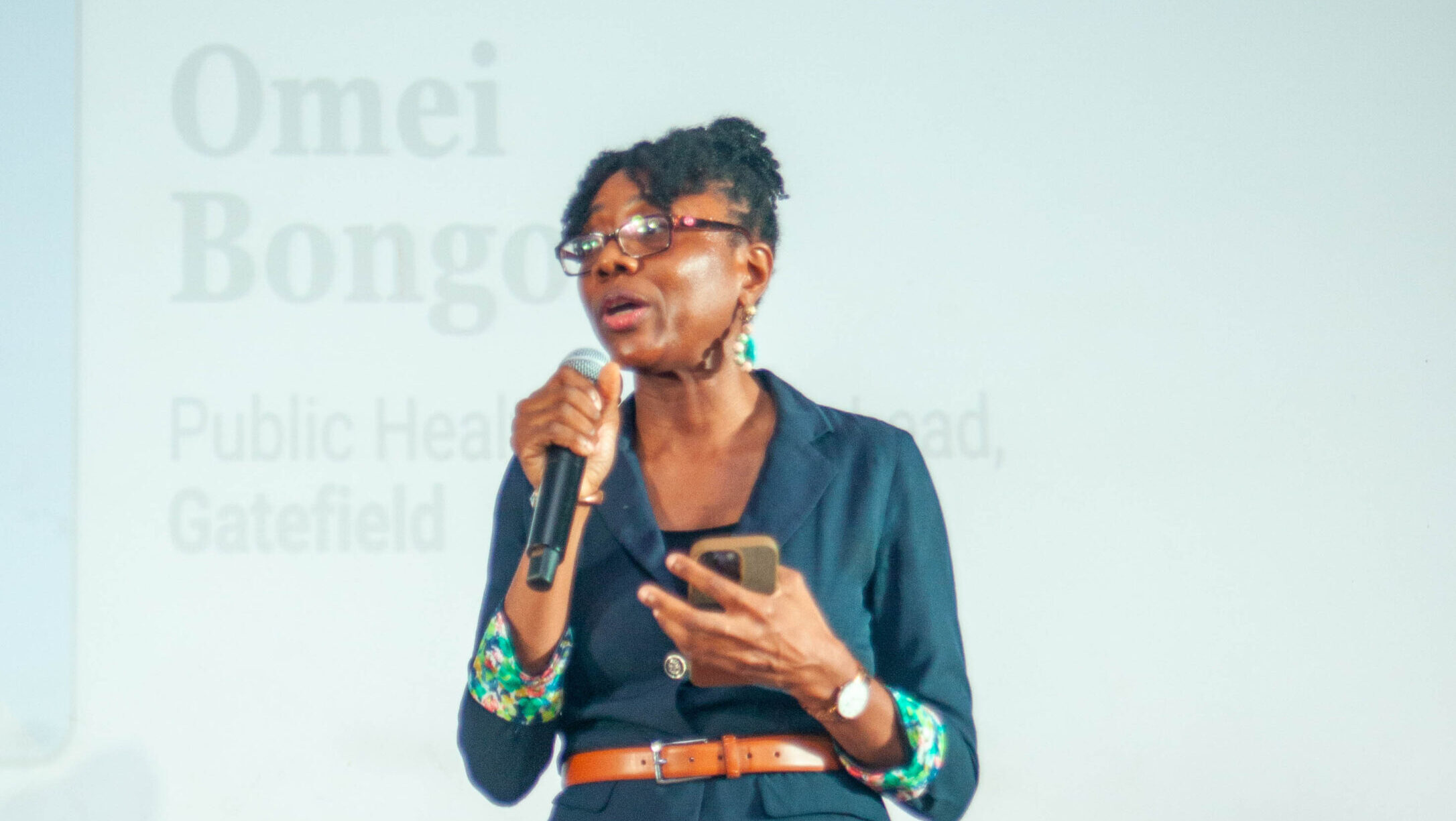
Gatefield, a public strategy and media group, will convene health policymakers, innovators, and creative-sector leaders in Abuja on 21 and 22 October to discuss how to expand successful health interventions and integrate them into wider health systems.
The 2026 Gatefield Health Summit, themed “Scaling What Works,” will focus on the policy, financing and institutional barriers that limit the expansion of proven health solutions across Africa.
The event, which will also be accessible virtually, is expected to bring together stakeholders to examine how grassroots initiatives, digital health tools and locally developed solutions can move beyond isolated successes and reach more communities.
Building on 2025 discussions
The summit comes a year after the inaugural edition, where experts and policymakers called for stronger domestic health financing, community-led innovation and greater use of data and local expertise to build resilient health systems.
Participants at the 2025 summit also raised concerns about the sustainability of health interventions that rely heavily on external funding, while advocating greater investment in locally developed solutions and stronger community ownership of health programmes.
The discussions also highlighted the need for African countries to use evidence, research and local expertise more effectively in shaping health policies and designing health systems.


Building on those concerns, this year’s summit will focus on what is required to move effective interventions from individual projects to wider adoption.
Speaking on the focus of the summit, Gatefield’s Public Health Lead, Omei Bongos, said many effective health solutions were already being developed and implemented across Africa but faced barriers that limited their expansion.
Ms Bongos said bringing stakeholders from different parts of the health ecosystem together would help create the conditions needed to expand such interventions.
“Effective, high-impact health solutions are already thriving across Africa. However, their growth is stalled by a missing institutional backbone, from essential capital to conducive policy frameworks”.
“By uniting key stakeholders across the ecosystem, this summit seeks to drive these solutions into every community,” she said.
Longevity
A major feature of the two-day event will be the launch of a new Gatefield report examining the factors driving premature mortality in Africa, with a particular focus on Nigeria.
The findings are expected to inform discussions on longevity and the wider factors that determine how long and how well people live.
The programme will examine issues beyond medical treatment, including food and agricultural systems and their role in addressing the rising burden of non-communicable diseases.
It will also explore the use of film, digital culture and other creative industries to influence health behaviour and communicate public health messages to wider audiences.
READ ALSO: Gatefield, experts call for urgent reforms to address Nigerias health crisis
Speakers
Confirmed speakers include Siddhartha Prakash, Head of Global Health at the World Intellectual Property Organisation; Senator Ipalibo Banigo, Chair of the Nigerian Senate Health Committee; Shina Arogundade, Chief Executive Officer of MyItura; Osita Okonkwo, Country Director of Nutrition International; and Jamila Yakubu, Director of Programme Medicines at Zipline.
Other global health leaders are expected to participate in the event.
Discover more from Premium Times Nigeria
Subscribe to get the latest posts sent to your email.
News
“If You Want to Be Ready for Ghana, Test Yourself Against Africa’s Best” — Hadejia Backs Senegal Gamble Despite Sand Eagles Defeat


President of the African Beach Soccer Union, Mahmud Hadejia, believes Nigeria’s decision to test the Sand Eagles against African champions Senegal was exactly the preparation required ahead of their crucial Beach Soccer Africa Cup of Nations qualifier against Ghana.
Nigeria suffered a 6-4 defeat in the opening friendly at the Murtala Muhammed Square Beach Soccer Arena in Kaduna, but Hadejia insists the result was secondary to exposing the team to the intensity they should expect when the competitive battle with Ghana begins.
The Sand Eagles are rebuilding after spending two years without competitive international action, making the Senegal double-header an important opportunity to assess their readiness against the continent’s benchmark team.
According to Hadejia, Senegal were deliberately chosen because their quality, physical approach and beach soccer pedigree provide Nigeria with the kind of examination needed before facing Ghana’s Black Sharks.
Senegal are the defending African champions and have established themselves as the dominant force in African beach soccer, making the friendlies a demanding test rather than an exercise designed simply to produce comfortable victories.
Sand Eagles head coach Abdullahi Isa shared that assessment, describing Senegal as quality opposition capable of helping his players shake off match rust before the qualifiers.
Nigeria will host Ghana in the first leg in Kaduna on October 10, before travelling to Accra for the decisive return fixture. The winner over the two legs will qualify for the 2026 Beach Soccer Africa Cup of Nations in Senegal.
The assignment carries added importance after Nigeria narrowly missed the previous continental championship, losing to Mauritania on the away-goals rule during qualification in 2024.
For Hadejia, therefore, playing Senegal was about discovering weaknesses before Ghana gets the opportunity to exploit them.
The 6-4 scoreline may have gone Senegal’s way, but the real value of the friendly will be measured against Ghana — when lessons learned against Africa’s champions must translate into an AFCON ticket.
-

 Health4 days ago
Plateau: Medical Women Association of Nigeria Marks Older Persons Day with Free Outreach
-
News3 days ago
MTN, Gates Foundation drive $25m AI digital health plan in Nigeria – Technology Times
-
News4 days ago
WAEC appoints Nigeria’s Dangut as Registrar, CEO
-
Health4 days ago
Drug-resistant bacterial infections kill one million people annually – WHO