Health
Group calls for reusable pads as menstrual stigma, access gaps persist


Despite growing awareness about menstrual health, many girls in Nigeria still lack access to sanitary products, accurate information and safe facilities needed to manage menstruation with dignity.
The concerns were raised by stakeholders on Tuesday during a menstrual health awareness campaign held in Keffi, Nasarawa state, to commemorate the 2026 World Menstrual Health Day.
The event, organised by AIDS Healthcare Foundation (AHF) Nigeria, in collaboration with the Nasarawa State Ministry of Women Affairs and Humanitarian Services, brought together government officials, health workers, educators and students.
Participants at the event called for stronger government action, wider awareness campaigns and practical support for girls, including improved access to sanitary products and toilets in schools.
Menstrual hygiene as a development and education issue
Menstrual hygiene management (MHM) is increasingly recognised by development agencies as a critical factor in girls’ health, education and long-term wellbeing, with evidence showing that poor access to facilities and products can directly affect school attendance and learning outcomes.

According to the World Bank Group and partners, working on water, sanitation and hygiene (WASH), good menstrual hygiene is essential for women, girls and other menstruators to reach their full potential, noting that the consequences of poor menstrual health cut across education, health and economic participation.
According to WASH-focused organisations including WASH United, more than 300 million women and girls worldwide menstruate, while an estimated 500 million lack access to menstrual products and adequate facilities for managing menstruation.
Push for reusable sanitary pads
Speaking during the event, Angelina Kigbu of the Keffi Education Area Office said many girls struggle to afford disposable sanitary pads, making reusable alternatives important.
Ms Kigbu disclosed that the office plans to establish a club where girls would be trained to produce reusable sanitary pads.
According to her, the initiative would help students reduce costs while also expanding awareness about menstrual hygiene.
“If they can make it themselves, they can teach others and expand awareness. Most girls are not aware this is possible,” she said.
Calls for wider awareness
Also speaking, Halima Omaku, gender focal person at the Nasarawa State Ministry of Women Affairs and Humanitarian Services, said menstruation remains surrounded by stigma and silence in many communities.
Ms Omaku said many girls still grow up without adequate information on menstrual hygiene, describing the campaign as an opportunity to address harmful beliefs and misconceptions.
“This programme provides enlightenment and education on issues many people still struggle to discuss openly. We have a lot of work to do in changing harmful norms and perceptions around menstruation,” she said.
She urged participants to share the knowledge gained with others in their communities and stressed the importance of involving boys in conversations around menstrual health.
“You are lucky to have this opportunity. In our time, we didn’t. Use it to achieve what’s best for you,” she told students.
Safiya Yahuzu, gender and human rights focal person at the Nasarawa State AIDS Control Agency, said some students attending the campaign were learning about menstrual hygiene for the first time.
Ms Yahuzu said awareness programmes remain necessary to tackle misconceptions surrounding menstruation and improve hygiene practices among girls.
“Hygiene is necessary for young girls at all times. You must also learn to keep yourselves clean during your period,” she said.
Students who attended the programme also called for more support for girls in schools.
Victoria Samson, 15, said the session highlighted the importance of proper hygiene and dangers associated with reusing sanitary pads improperly.
She, however, appealed to government authorities to provide toilets and sanitary pads in schools.
Another student, Catherine Ogogi, 16, said she learned about reusable pads and proper disposal methods during the programme.
She called for the provision of emergency sanitary pads in schools and stronger efforts to address myths surrounding menstruation.
Hygiene education
Deborah Mamman of AHF Nigeria advised girls to change sanitary pads regularly and maintain proper hygiene during menstruation.
Ms Mamman recommended changing pads every six to eight hours, washing hands before and after handling menstrual materials and maintaining proper cleaning practices.
Sunday Emmanuel, an ART clinician with AHF Nigeria, said the campaign formed part of efforts to provide young people with accurate information on menstrual and reproductive health.
READ ALSO: Ebola: WHO says conflict, mistrust hindering response as suspected cases top 900 in DRC
Mr Emmanuel called for sustained collaboration between government agencies, schools and civil society groups to expand awareness campaigns through community outreach and media engagement.
World Menstrual Hygiene Day
World Menstrual Hygiene Day is marked annually on 28 May to raise awareness on menstrual health, challenge stigma and promote access to safe, affordable and dignified menstrual care for women, girls and other menstruators.
The day was initiated in 2014 by WASH United and has grown into a global advocacy platform supported by governments, development partners and civil society organisations to highlight menstrual health as a public health, education and gender equality issue.
The 2026 theme, #periodfriendlyworld, focuses on strengthening integrated systems that support menstrual health, particularly through improved WASH, education and gender-responsive policies.



Uganda’s Ministry of Health has urged the public to remain calm and vigilant following Nigeria’s confirmation of an Ebola case, clarifying that the infected woman’s transit through Uganda does not establish that she contracted the virus there.
In a public statement issued on Tuesday, the ministry said preliminary information indicated that the Nigerian woman travelled to eastern Democratic Republic of the Congo (DRC) for business and passed through Uganda in early October without showing symptoms.
She reportedly developed symptoms after arriving in Nigeria, where authorities have confirmed an Ebola infection.
“The location of exposure remains under investigation,” the ministry said, adding that travel through Uganda alone was insufficient to establish where the infection occurred.
The clarification comes as Nigeria intensifies its response to the confirmed case in the Federal Capital Territory (FCT), with health authorities beginning contact tracing to identify people who may have been exposed to the virus.
PREMIUM TIMES reported that Nigeria’s Coordinating Minister of Health and Social Welfare, Muhammad Pate, confirmed the case on Tuesday. The patient is receiving treatment in isolation at a private hospital in the FCT, while 44 close contacts, including healthcare workers, patients, caregivers and travel contacts, have been identified.

Active cases
The Ugandan health ministry said it had no confirmed active Ebola cases as of the time of its statement.
It also said the Nigerian government had yet to provide detailed information about the woman’s travel itinerary and clinical history, which it said would help guide further investigations and any necessary contact tracing.
The Ugandan health ministry said it was working with relevant agencies to strengthen screening and public health controls at points of entry, following the development.
It added that limited provisions had been maintained for humanitarian and diplomatic movements.
The ministry urged residents to practise regular handwashing and use sanitiser as part of efforts to reduce the risk of infection. It also pledged to provide verified updates through its official communication channels.
Regional outbreak
Nigeria’s confirmed case comes amid an ongoing Ebola outbreak linked to the Bundibugyo virus in the DRC, with infections also reported in other countries.
Kenya, which confirmed its first imported case in early October, reported a ninth case on Tuesday. Its health ministry said all nine cases belonged to one known cluster, with the eight surviving patients responding well to supportive care.
The first Kenyan patient had travelled from the DRC through Uganda before arriving in Nairobi. The development has heightened regional concerns about the movement of the virus across borders.
Uganda also recorded Ebola infections earlier in 2026 but subsequently declared its outbreak over after completing the required period without a new confirmed case.
Nigeria’s current case has renewed attention on the risks posed by international travel during an outbreak, as public health authorities work to establish the source of infection and prevent further transmission.
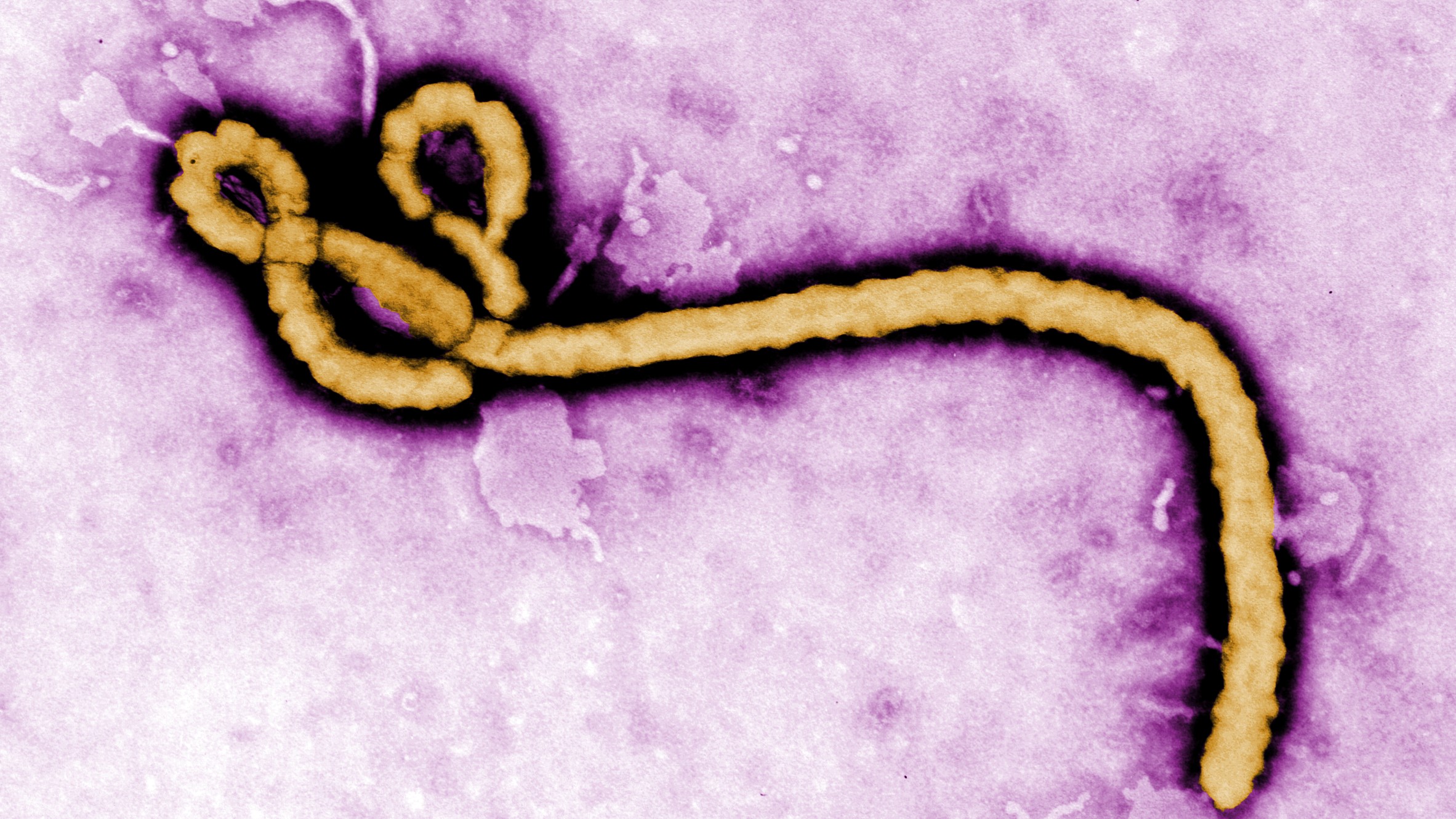
Ebola spreads through direct contact with the blood or other bodily fluids of an infected person, or with contaminated materials. Symptoms can include fever, headache, severe weakness, vomiting and diarrhoea.
Health authorities have advised the public to maintain good hand hygiene, avoid contact with the bodily fluids of suspected cases and promptly report possible exposure to public health officials.
Investigations into the Nigerian case and the circumstances surrounding the patient’s travel remain ongoing.
Discover more from Premium Times Nigeria
Subscribe to get the latest posts sent to your email.
Kenya has confirmed a ninth case of Ebola, with health authorities saying all eight surviving patients are improving.
The latest Kenyan case involves a 24-year-old man who is a close relative of the first patient. He developed symptoms while in quarantine and tested positive on 19 October, according to the Kenyan Ministry of Health.
In a statement published on its X account on Tuesday and signed by Patrick Amoth, the Director-General for Health, the ministry said all nine cases belonged to one known cluster, with no evidence of transmission beyond the group.
Kenya’s first patient was a 40-year-old man who travelled from the Democratic Republic of the Congo (DRC) through Uganda before arriving in Nairobi on 3 October. He died at a Nairobi hospital on 5 October.
Treatment and contact tracing
The ministry said the eight surviving patients were stable and responding well to supportive care. It added that it had received 500 doses of medicine to support treatment for confirmed patients.
Contact tracing has also progressed, with 134 of the 135 identified contacts (99.3 per cent) traced and placed in quarantine.
The ministry said contacts who entered quarantine on 6 October and remain symptom-free would complete their 21-day monitoring period and begin returning home from 25 October.
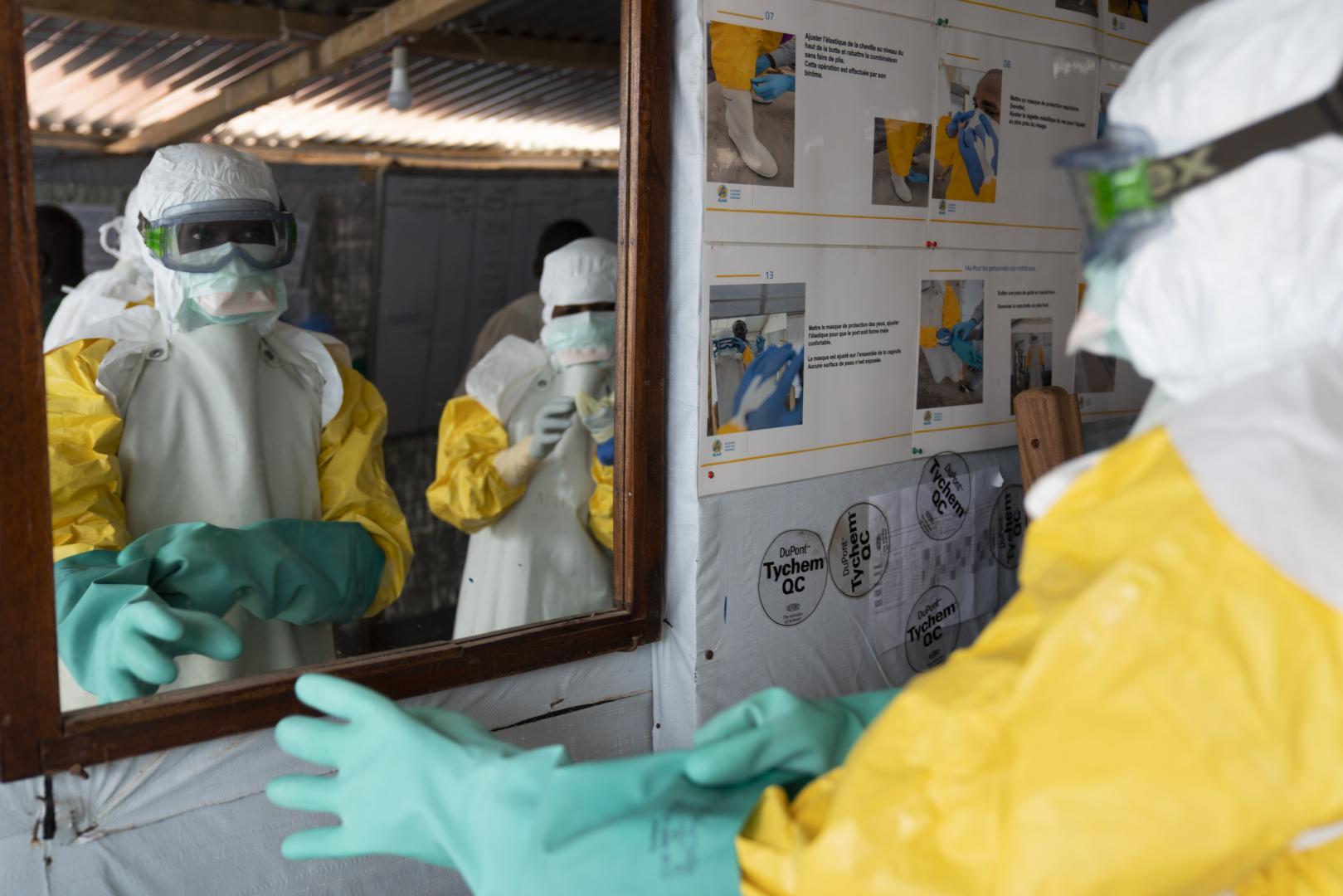
It added that authorities had distributed protective equipment, diagnostic kits, and sample-collection materials to high-risk counties, and established a dedicated laboratory at Kenyatta National Hospital to support testing and prevent disruption to other hospital laboratory services.
Kenya, it noted, has not imposed restrictions on travel, trade or public gatherings. The cases in Kenya are linked to the ongoing Ebola outbreak in the DRC, where the Bundibugyo virus has caused thousands of infections and deaths.
WHO reported more than 8,700 confirmed cases and more than 4,200 deaths in the DRC as of 6 October, with transmission continuing across dozens of health zones.
Nigeria confirms first case
The Kenyan update comes as Nigeria confronts its own Ebola infection, with the federal government confirming the first case in Abuja on Tuesday.
PREMIUM TIMES reported that the patient was a woman who arrived in Nigeria on an international flight from Uganda. She is receiving treatment in isolation at a private hospital in the Federal Capital Territory.
In a statement signed by the Coordinating Minister of Health and Social Welfare, Muhammad Pate, the federal government said it had begun contact tracing and identified 44 close contacts, including healthcare workers, patients, caregivers, and travel contacts.
The government urged healthcare facilities nationwide to remain vigilant, promptly isolate suspected cases, maintain strict infection prevention measures and report suspected infections to public health authorities.
The development has heightened concerns about cross-border transmission, particularly as the outbreak in East and Central Africa coincides with frequent international travel and movement between countries.
Nigeria’s response includes surveillance, laboratory testing, isolation and contact tracing to identify possible infections and limit further transmission.
Discover more from Premium Times Nigeria
Subscribe to get the latest posts sent to your email.
-

 News3 days ago
Euromatch NPFL: Matchday 9 results
-
News4 days ago
NUCAP: Nigeria targets 20 million people with 3,700 telecom towers – Technology Times
-
News3 days ago
Meta removes language that raised scraping and AI training concerns
-
News3 days ago
No agenda, no rush, no leaving San Francisco: Benchmark’s partners on investing in a frenzied market