Education
After Decades of Neglect, Plateau Tertiary Staff Finally Secure Jobs and Back Pay


Governor Mutfwang Approves Compensation for Years of Underpayment
A wave of relief and celebration swept through Plateau State’s tertiary education sector on Thursday as Governor Caleb Mutfwang formally absorbed long-serving ad-hoc staff of the College of Education and Plateau State Polytechnic into the state workforce. Many of the beneficiaries had worked for between five and 20 years on monthly stipends as low as ₦6,000.
The historic meeting, held at Victoria Gowon Hall, New Government House, Little Rayfield, marked the official confirmation of their employment and a directive from the Governor to compensate them for years of underpayment while sustaining the institutions.
“It was ungodly and unjust,” Mutfwang said, condemning decades of exploitation.

Addressing the emotional gathering, the Governor expressed concern for workers who had labored without permanent appointments or fair remuneration.
“When we discovered that none of you had been given permanent appointments, we felt it was wicked and ungodly. That is why we suspended the earlier recruitment exercise—to correct these injustices,” he stated.

Following a thorough audit of qualifications and complaints, facilitated by a dedicated help desk at the Ministry of Education, qualified workers were finally absorbed. Governor Mutfwang also announced approved financial compensation for their years of service.
“Even the years of collecting ₦6,000 and ₦15,000 should not only be appreciated but compensated. I have approved funds that will be communicated to you properly,” he said.
Encouraging staff to pursue further education and professional development, the Governor promised incentives for those seeking to upgrade their qualifications. He also highlighted significant progress since his administration took office, including a jump in Polytechnic admissions from about 3,000 to 9,000 students and the approval of 19 new degree programs at the College of Education.
“We are committed to ensuring our schools have the staff needed to produce graduates Plateau will be proud of,” Mutfwang added.
Commissioner for Education, Kachollom Gang, praised the Governor’s focus on justice for the ad-hoc staff, describing him as a leader with genuine compassion.
“He repeatedly asked: What of the ad-hoc staff? Are they qualified? Why were they not taken? His concern shows he is a father indeed,” she said.

Speaking on behalf of the absorbed workers, Mr. Josiah Sati recounted decades of suffering and neglect.
“For 22 years we cried. No one listened. We don’t remember the last time we celebrated Christmas. Our families suffered. But today, sir, God has used you for us,” he said, overcome with emotion.
Sati described the Governor as the only leader to acknowledge their plight in over two decades:
“What 22 governments could not do, you have done. For this reason, we are writing your name in gold.”

Special Advisers on Youth Matters and Labour, Hon. Hitler Pwajok and Titus Alams, urged the newly absorbed staff to honor the government’s gesture through dedication and punctuality.
“The Governor has prioritized education because it is the foundation of development. Don’t betray the trust placed in you,” Alams said.
The event ended in jubilation, with staff expressing renewed hope and pledging loyalty to the administration. With permanent employment and approved compensation, Plateau’s tertiary institutions are now poised for stability and improved academic performance, correcting decades of systemic neglect.





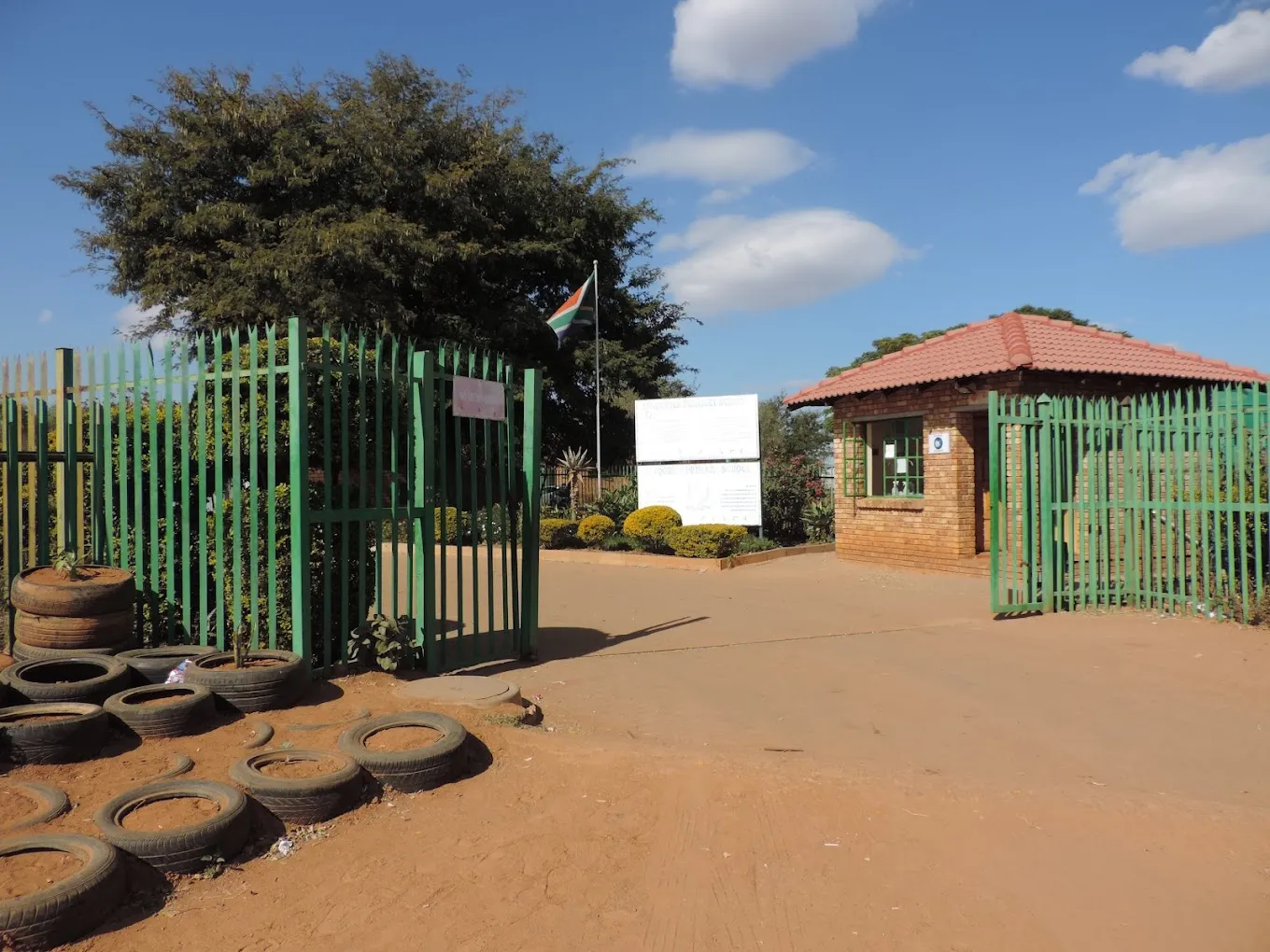
An 11-year-old pupil at Sinqobile Primary School in Soshanguve, South Africa, was allegedly dragged into a school toilet and forcibly circumcised by four older students during break time.
The Grade 5 pupil was reportedly attacked by four Grade 7 students, who allegedly pinned him down before one of them used a sharp blade to remove his foreskin.
The boy was also allegedly threatened with violence if he disclosed the incident to anyone.
According to his mother, the child returned home after the incident but initially refused to tell her what had happened. She later noticed that he was walking unusually and, days later, discovered that he was in severe pain.
The mother said her son eventually showed her his swollen private parts, prompting her to rush him to a doctor.
“He then showed me his swollen private parts and I rushed him to the doctor and it was then that we learned four pupils had circumcised him,” she said.

She said her son told her that the older boys had attacked him in the school toilets during break and threatened to beat him if he told anyone.
The mother subsequently opened a criminal case and refused to allow her son to return to school. Police later persuaded the boy to attend an identity parade, where he reportedly helped identify the four students.
South African Police Service spokesperson, Captain Tintswalo Sibeko, confirmed that a case of assault with intent to cause grievous bodily harm was being investigated.
“Our Family Violence, Child Protection and Sexual Offences Unit are investigating and no arrests have been made at this stage,” Sibeko said.
The Gauteng Department of Education also confirmed that the matter was under police investigation, while saying the school had not reported any similar circumcision attacks.
Deputy Principal George Mahlungu said the school was shocked by the incident.
“We are perplexed by what happened. This school is a place where a child should be safe,” he said.
The school has about 2,050 pupils between the ages of seven and 15.
A doctor who examined the boy reportedly said the procedure appeared to have been carried out in a manner similar to traditional tribal initiation practices. However, the doctor said a full diagnosis could not be made until the swelling subsided.
The boy’s mother said her son had become traumatised by the incident and was afraid to return to school.
Police investigations are ongoing, and no arrests had been made as of the latest report.
-

 Health2 days ago
Plateau: Medical Women Association of Nigeria Marks Older Persons Day with Free Outreach
-
News3 days ago
PLASU Opens Doors to Global Investors at 2nd Inaugural Lecture
-
News4 days ago
Nigeria At 66: Rotjimwa Yilyok Salutes President Tinubu, APC Leadership and Plateau Government
-
News4 days ago
Plateau Specialist Hospital Celebrates Nigeria at 66, Salutes Mutfwang’s Health Initiatives