Health
In Adamawa, rural PHCs rely on volunteers due to staffing shortages

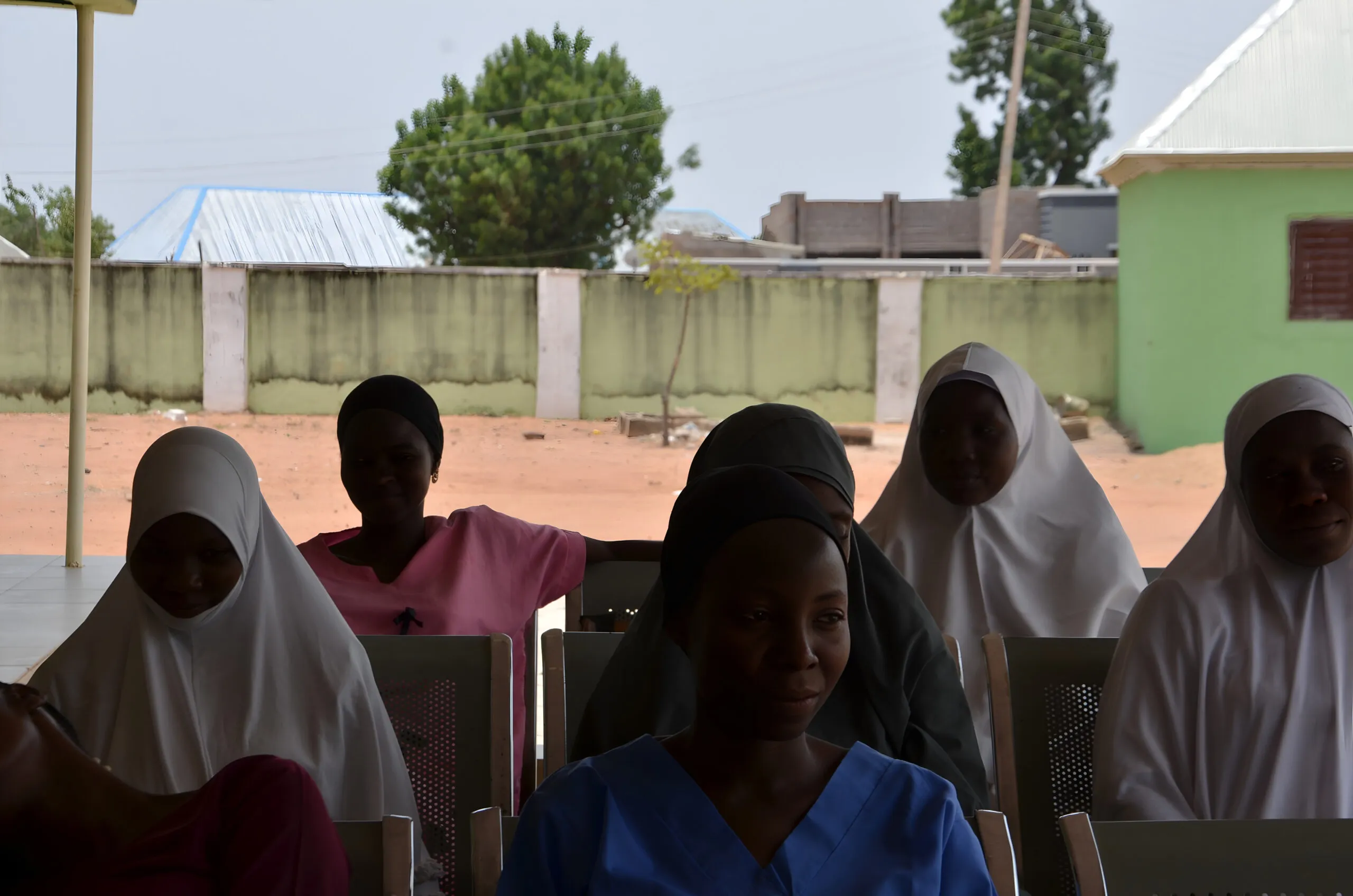

At Damare Primary Health Centre (PHC) in Girei LGA, Adamawa State, volunteer health worker Godiya Deborah Umaru was on duty alongside only one permanent staff member when several patients arrived.
They included a woman in labour and an accident victim. Outpatients crowded the waiting area, while admitted patients also required care.
“We could not attend to all of them,” Ms Umaru recalled.
The experience is familiar across rural PHCs in Adamawa State, where a shortage of health workers has left facilities unable to meet growing demand for services.
Across communities in Girei LGA, health workers say they routinely perform multiple roles simultaneously, moving between antenatal care, deliveries, outpatient consultations, immunisation services, and emergency response, often within the same shift.

Findings by this reporter show that PHCs in this LGA depend on volunteers to fill critical workforce gaps. In some facilities visited, volunteers assist with immunisation, antenatal care, labour and delivery, wound dressing and other essential services alongside permanent staff.

Interviews with facility managers, volunteers, health workers and government officials, as well as a review of state health sector documents, reveal a primary healthcare system under pressure from persistent staffing shortages, limited equipment and uneven distribution of health workers.
While the Adamawa State Government says it has recruited additional personnel and is improving service delivery, findings from rural facilities suggest many remain heavily reliant on volunteers to keep their doors open and maintain basic healthcare services for thousands of residents.
A system stretched beyond capacity
In Nigeria’s rural communities, PHCs serve as the first point of contact for medical care. Residents depend on them for immunisation, antenatal services, childbirth, treatment of common illnesses and emergency care.
But visits to health facilities in Girei LGA reveal a system operating under intense pressure, sustained by a small workforce and an increasing reliance on volunteers.
At Njobbore PHC, facility manager Pafinus Linus said staff shortages have long been one of the clinic’s biggest challenges.

The facility provides immunisation, antenatal care, family planning, outpatient services and delivery care for the surrounding communities. Yet the number of health workers available has often fallen short of the workload.
According to Mrs Linus, the facility currently operates with a mix of permanent staff and volunteers spread across different units. However, the staffing arrangement remains fragile because workers are frequently required to abandon their assigned duties to respond to emergencies elsewhere in the clinic.
She explained that a staff member assigned to antenatal care may be called into the labour ward. “During night shifts, a single health worker may simultaneously function as a nurse, midwife, records officer and emergency responder,” she said.
“As a staff, you cannot depend only on your unit,” Mrs Linus said. “You have to do everything.”
The result is a system built around constant task-shifting.
At Damare PHC, health workers described similar conditions.
The facility serves an estimated population of 6,596 people. According to its officer-in-charge, Aishat Musa, the clinic operates with a combination of permanent staff, hired workers and volunteers who are integrated into a 24-hour duty roster to ensure services remain available round the clock.

“The facility serves a population of 6,596, and the staffing structure includes 10 permanent staff, eight hired staff and 15 volunteers,” she said.
On paper, it might sound like a crowded workforce, but in practice, it is a workforce that depends on a delicate mix of permanent workers, contractual staff and volunteers to keep the clinic open round the clock.
“We mix the permanent staff and the hired staff in the roster,” Mrs Musa said.
While the arrangement helps keep the facility running, it also reflects a reality faced by many rural clinics: maintaining services often depends on workers stretching beyond their formal responsibilities and volunteers filling critical gaps in the workforce.
Nigeria’s PHC system is guided by minimum staffing standards set by the National Primary Health Care Development Agency (NPHCDA), which outlines the basic human resource requirements for functional facilities.
Under the framework, a standard PHC is expected to have a mix of skilled personnel, including at least one Community Health Extension Worker (CHEW) or Junior CHEW, a midwife or nurse, a pharmacy technician, and a laboratory assistant, alongside environmental and support staff. Larger or upgraded facilities are expected to have additional staff depending on population size and service demand.
These benchmarks are intended to ensure that even the most basic rural clinic can provide essential services such as antenatal care, safe delivery, immunisation, disease surveillance and emergency response without over-reliance on a single cadre of workers.
However, field findings from these PHCs suggest that many rural facilities fail to meet these minimum requirements.
The volunteers holding clinics together

Ms Umaru, the volunteer at Damare PHC, represents a growing group of health workers who now form an informal but essential part of Adamawa’s rural healthcare system.
Unable to secure immediate employment after graduation in 2024, she turned to volunteering at Damare PHC in April 2025, where she was attached after submitting her application and credentials.
Since then, she has been integrated into the facility’s daily operations, working under supervision across immunisation, antenatal care, labour and delivery support, and wound dressing services.
In practice, her role goes beyond observation or assistance. On many days, she works alongside a single permanent staff member to manage multiple incoming patients.
“There was a day only myself and a permanent staff were on duty, and we had a labour case, an accident case and many outpatients and inpatients to attend to,” she said. “We could not attend to all of them. Some of them left because they felt the delay was too much.”
The officer-in-charge at Damare PHC, Ms Musa, said graduates of nursing and health-related disciplines frequently apply to volunteer while awaiting government employment.
“They come with their certificates and apply,” she said. “Most of them have completed their training but have not been employed, so they come here to practice and utilise their skills.”
But the waiting period for formal employment remains uncertain. According to her, only a small number of volunteers attached to the facility have been absorbed into the government workforce in recent years.
“In the last two years, just two volunteers were employed permanently, one after three years of service, and another after two,” she said.
While facility managers say volunteers are indispensable to keeping services running, the arrangement highlights a growing dependence on unpaid labour in essential healthcare delivery.

“The work that my permanent staff can do, volunteer staff can also do it,” said Mrs Linus, facility manager at Njobbore PHC. “Sometimes volunteer staff can even do better than permanent staff if you groom them well.”
However, public health experts caution that while volunteers help bridge immediate gaps, they are not a substitute for a properly staffed health system. They warn that prolonged reliance on unpaid workers risks weakening service quality and placing additional pressure on already overstretched facilities.
“One person can actually work in other units”
Beyond staff shortages, health workers say the problem also lies in distribution and task overload.

At Njobbore PHC, the facility operates with about two staff members per shift, but workers are expected to cover multiple units when necessary.
“You have to consult. If you consult, maybe there is delivery. Maybe there is an accident. You still go and watch the accident,” said Mrs Linus. “One person can actually work in other units.”
The system relies heavily on improvisation. Volunteers are integrated into daily operations because facilities cannot function without them.
But even this arrangement is strained by poor infrastructure.

Njobbore PHC has only one delivery bed, limiting its ability to manage multiple births. In some cases, deliveries have taken place under lantern light due to inadequate power supply.
“If we have enough delivery beds, one will be here, one will be here,” she said.
At Damare PHC, similar shortages exist.
“At the moment, we have one delivery bed,” said Ms Musa. “It is not enough with the number of deliveries. The labour room needs proper sterilisation tools, instruments, flashlights and tables.”
Volunteers are also expected to attend training alongside permanent staff, but facility managers sometimes cover transportation costs personally.
“I’m supporting that person with the transport to go there because they are volunteers,” Ms Musa said.
Progress on paper, shortages in practice
Adamawa State’s health planning documents acknowledge both progress and persistent gaps in the primary healthcare system.
The State Health Sector Medium Term Sector Strategy (2023–2025) records a total of 957 health facilities across the state, including 403 PHCs designed to provide frontline services in rural communities.
It also notes a major weakness in the health workforce, particularly the shortage of skilled personnel, including nurses, midwives, doctors, pharmacists, laboratory scientists, CHEWs, and JCHEWs.
To address these gaps, the document states that the government recruited about 1,200 personnel into the PHC system. However, it acknowledges that staffing levels remain inadequate for effective service delivery.
Overall, the health sector is reported to have about 6,789 staff. But less than 30 per cent are professional health workers, while the majority are support staff. The state also has only 55 doctors serving in the public health system.
On paper, these figures suggest ongoing investment in human resources for health. In practice, however, they also reveal the scale of the shortage in relation to the population and service demand.
The average number of health workers in PHC facilities is estimated at about 15 per facility, a figure that includes all categories of staff. In many rural centres, this translates into a situation in which a handful of workers are expected to provide antenatal care, deliver babies, run outpatient services, manage records, and respond to emergencies simultaneously.
At Damare and Njobbore PHCs, this imbalance is reflected in daily operations, where staff and volunteers must constantly rotate across roles to keep services running, often without adequate equipment or support.

When delays become dangerous
For many patients in Adamawa’s rural communities, the consequences of understaffed health facilities are not abstract statistics — they are lived experiences marked by delay, frustration and risk.
One of such patients is Dozie Kasundi, a post-basic nursing student who experienced severe abdominal and back pain while attending class sometime in early 2025.
She had left home feeling well that morning, but her condition worsened rapidly within hours. What began as mild discomfort escalated into severe pain that left her unable to sit or stand.
Alarmed by her condition, her husband rushed her to the accident and emergency unit of the Federal Medical Centre, Yola (now Modibbo Adama University Teaching Hospital).
But according to her account, her condition was not immediately treated as an emergency due to limited staff availability at the time.
“One of the nurses on duty said it’s not an emergency. So they left me standing there,” she said.
She remained at the facility for more than an hour, standing in pain and waiting for attention. Eventually, her husband took her to another hospital where she was treated promptly.
While her experience occurred in a tertiary health facility in the state capital, it reflects a broader reality across the health system — where delays in response, whether in rural clinics or urban hospitals, can have serious consequences for patients in urgent need of care.
In rural PHCs, however, health workers say such delays are often linked directly to staffing shortages and the need to manage multiple responsibilities simultaneously.
With too few workers on duty, emergencies can overlap with routine services, forcing staff to make difficult choices about which cases to attend to first.
Public health experts warn that in conditions such as postpartum haemorrhage, eclampsia or obstructed labour, even short delays can significantly increase the risk of severe complications or death.
A public health physician, Owen Omo-Ojo, said the implications of such shortages are significant, particularly for maternal and emergency care.
Mr Omo-Ojo noted that in many PHCs, one health worker is often required to function simultaneously as nurse, midwife, records officer and emergency responder.
“That often leads to fatigue, burnout, delayed and suboptimal care, and avoidable medical errors,” he said.
He warned that delays in recognising or managing complications such as postpartum haemorrhage can quickly become life-threatening in understaffed facilities.
“In emergencies, every second matters,” he added. “When facilities are understaffed, patients are likely unable to receive timely lifesaving interventions.”

Government response and the distribution gap
Officials at the Adamawa State Primary Health Care Development Agency described improvements in the health system but acknowledged that challenges remain, particularly in the distribution of health workers.
James Wasson, director of Disease Control and Immunisation at the agency, said the state has undertaken recruitment exercises and facility upgrades in recent years as part of efforts to strengthen PHC delivery.
According to him, the government has conducted two rounds of employment, with another recruitment exercise expected. He also noted that some health facilities have been renovated, while service uptake across PHCs has improved.
However, he argued that the issue is not only about numbers but also about how health workers are distributed across facilities.
“When you talk of human resource gaps, sometimes we don’t talk about only the number, we talk about the equity in the distribution of the human resource,” he said.
He added that community-based volunteers also play a role in supporting health education, immunisation and referrals, particularly in underserved areas.
But field findings from rural health facilities suggest that the reliance on volunteers goes beyond supplementary support, with many clinics depending on them to maintain daily operations.
Health workers and facility managers in Girei Local Government Area describe a system in which staffing shortages lead to constant task-shifting, with one worker often covering multiple units during a single shift.
READ ALSO: Inside Katsina PHCs, where night services falter amid staffing and power gaps
Budgets, policy implementation
Budget documents further highlight the gap between policy intent and implementation.
Adamawa State’s 2025 second-quarter budget implementation report shows that N1.05 billion was allocated to PHCs, with year-to-date performance of N197.69 million, representing 17.9 per cent implementation.
The report states that the sector’s objective includes providing the right number and skill mix of competent, motivated and productive health workers. However, the low level of budget performance raises questions about how far these objectives are being translated into improved staffing and service delivery at the facility level.
Taken together, recruitment efforts, budget allocations and policy statements point to an intention to strengthen the PHC system. Yet in practice, rural clinics continue to operate with limited staff, heavy workloads and a growing dependence on volunteers to bridge critical gaps.
Across facilities visited, the pattern is consistent: while basic buildings exist, infrastructure is often poor, and clinics still lack the minimum staffing and essential equipment needed for safe service delivery.
This reporting was completed with the support of the Centre for Journalism Innovation and Development (CJID)


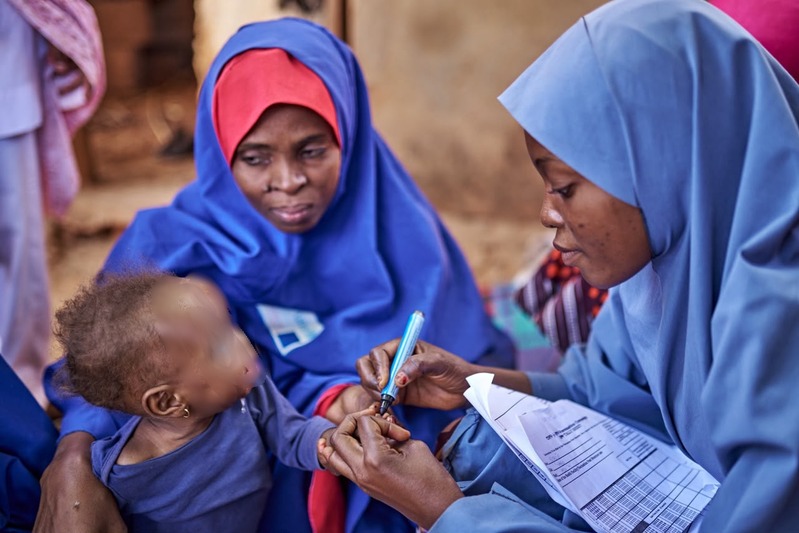
Gavi, the Vaccine Alliance, says 9.5 million children in 57 supported countries received no routine vaccine in 2025, despite gains in global immunisation.
The figure, described as the number of “zero-dose” children, was contained in Gavi’s 2025 Annual Progress Report, which reviewed the alliance’s 2021-2025 strategic period.
Gavi defines zero-dose children as infants who have not received the first dose of a diphtheria, tetanus and pertussis-containing vaccine by the end of their first year.
Number falls from 2021 peak
According to the report, the number of zero-dose children in 2025 was 600,000 lower than in 2024 and 25 per cent lower than the peak recorded in 2021 following disruptions to routine immunisation caused by the COVID-19 pandemic.
However, the figure remained four per cent above the 2019 baseline, partly because of continued growth in the number of children being born.
Gavi said children living in fragile, conflict-affected and humanitarian settings remain among those most likely to be missed by immunisation programmes.

Nigeria remains one of the countries with the highest number of zero-dose children. UNICEF estimated that about 2.2 million Nigerian children had never received a routine vaccine in 2025, the highest number in Africa.
Nigeria records gains in targeted areas
The report highlighted Nigeria, Ethiopia and Pakistan among countries where emerging data showed stronger immunisation coverage gains in sub-national areas that received greater Gavi focus and investment during the 2021-2025 period.
Gavi said the findings underscored the value of targeted, equity-focused investments in reaching communities that are being missed by routine immunisation.
The report also identified Nigeria among countries covered by Gavi’s Zero-Dose Learning Hubs, which examined what works and what does not in identifying and reaching zero-dose and under-immunised children.
The findings from Nigeria, Bangladesh, Mali and Uganda highlighted several issues, including gender-related barriers to immunisation.
73m children immunised in 2025
Despite the number of zero-dose children, Gavi said more than 73 million children were immunised through routine programmes with its support in 2025.
More than 351 million children were immunised during the 2021-2025 strategic period, “exceeding Gavi’s target of 300 million children.”
“By end 2025, Gavi-supported countries had immunised more than 1.3 billion unique children with Gavi support since 2000, exceeding our Investment Opportunity 2021-2025 commitment of more than 1.1 billion children immunised by 2025,” it noted.
Gavi said vaccination averted more than 2.2 million future deaths in 2025, bringing the total number of future deaths averted through its supported vaccination programmes to more than 7.8 million during the 2021-2025 period.
Generated economic benefits
The report said immunisation programmes generated more than $30 billion in economic benefits for Gavi-supported countries in 2025, the highest amount recorded in a single year.
The benefits were calculated from the costs of illness averted, including medical and associated costs, caretaker wages and productivity losses resulting from disability or death.
Gavi said the programmes generated more than $104 billion in economic benefits between 2021 and 2025 and more than $308 billion between 2000 and 2025.
Countries also contributed a record $301 million towards the co-financing of Gavi-supported vaccines in 2025, an 18 per cent increase from 2024.
About 80 per cent of the contribution came from domestic resources, while “approximately 20 per cent from low-interest loans from the World Bank.”
Gavi said countries had contributed a total of $2.2 billion towards vaccine co-financing since the policy was introduced in 2008.
More children
For its 2026 to 2030 strategic period, Gavi said it aims to protect another 500 million children through immunisation and avert between eight million and nine million future deaths.
READ ALSO:New TB vaccines could save 7.3m lives by 2050 – Gavi
The Alliance also targets more than $100 billion in economic benefits during the period. Gavi said it would place greater emphasis on reaching zero-dose and under-immunised children while strengthening the sustainability of national immunisation programmes.
In her comments, Gavi Chief Executive Officer, Sania Nishtar, said the results showed that immunisation generates benefits beyond preventing disease. “However, when it comes to immunisation we know that the return on investment extends far beyond health to supporting sustainable, inclusive economic growth,” Ms Nishtar said.
WHO Director-General, Tedros Ghebreyesus, also said immunisation delivers massive gains in lives saved and diseases prevented, but also in terms of economic benefits.
“Countries understand that the cost of failing to vaccinate is far too great, while the benefits extend across families, communities, economies and future generations,” Mr Ghebreyesus was quoted to have said.
Discover more from Premium Times Nigeria
Subscribe to get the latest posts sent to your email.

A military cardiologist, Life Ajemba, has warned that hypertension, prolonged stress, and inadequate sleep could increase the risk of cardiovascular disease among serving military personnel and veterans.
Mr Ajemba, a major-general, said hypertension remains one of the most common cardiovascular conditions among serving personnel and military retirees.
Speaking in an interview with the News Agency of Nigeria on Wednesday in Abuja, he urged military personnel and veterans to prioritise their heart health through regular medical checks, physical exercise, healthy diets and adequate rest.
He cited studies which showed that hypertension accounted for 15.31 per cent of cases treated among mainly military retirees between 2015 and 2020.
He also referenced another study which found a hypertension prevalence of 34.3 per cent among military personnel.
He noted that major risk factors included alcohol consumption, tobacco smoking, family history of cardiovascular disease and being overweight.
According to him, the demanding nature of military service could also increase cardiovascular risks due to physical stress, psychological trauma, irregular schedules and inadequate sleep.
“Military duties affect heart health through a combination of extreme physical stress, psychological trauma and environmental exposures that increase the risk of cardiovascular disease,” he said.
The military cardiologist explained that prolonged stress could increase the release of hormones such as adrenaline and cortisol, leading to increased heart rate and blood pressure.
He added that sleep deprivation, anxiety and other psychological pressures could further increase the risk of hypertension, coronary artery disease, heart attack and stroke.
Mr Ajemba stressed the importance of regular medical screening among military personnel, saying early detection could help identify silent conditions such as high blood pressure, abnormal cholesterol levels and elevated blood sugar.
He said routine medical checks could include blood pressure and heart rate monitoring, blood tests, lipid profiles, electrocardiograms (ECGs), chest X-rays, and echocardiography where necessary.
READ ALSO: PT Health Watch: How Pregnancy-Induced Hypertension puts mother, baby at risk
“Early detection ensures that soldiers receive treatment while remaining fit for duty, preventing medical evacuation and safeguarding their long-term health,” he said.
He also encouraged military personnel to maintain regular physical exercise, saying fitness helped reduce blood pressure, improve heart efficiency and increase resistance to operational fatigue.
Mr Ajemba, however, advised personnel to combine physical fitness with healthy eating, adequate rest and avoidance of smoking and excessive alcohol consumption.
He said maintaining a healthy lifestyle could help military personnel reduce cardiovascular risks and remain fit both during active service and after retirement.
(NAN)
Discover more from Premium Times Nigeria
Subscribe to get the latest posts sent to your email.
-

 News4 days ago
Mirror Particle is building a ‘world model’ of human behavior
-
News3 days ago
FCCPC reviews rules for Nigeria’s online sales promotions, giveaways – Technology Times
-
News2 days ago
Robot data startup Mecka AI nabs $60M from Sequoia
-
Business3 days ago
Nigeria has reduced reliance on oil revenue