Health
NARD condemns assault, arrest of doctor after patient dies at Ogun hospital


The Nigerian Association of Resident Doctors (NARD) has condemned the alleged assault and arrest of a medical doctor and two other health workers following the death of a patient at the Mother and Child Hospital, Mowe, an annex of the Neuropsychiatric Hospital (NPH), Aro, Ogun State.
In a statement issued on Thursday, the association described the incident as “barbaric” and accused the police authorities of failing to arrest those responsible for the attack.
According to NARD, the incident occurred after a critically ill patient died while receiving emergency treatment at the hospital.
The association said relatives of the deceased allegedly attacked a doctor and other healthcare workers over claims that the doctor “killed” the patient.
Arrest after attack
NARD said the assaulted doctor, alongside a nurse and an administrative staff member who reportedly tried to rescue the doctor during the attack, were later arrested by the police.

“In an even more disturbing twist, the police reportedly arrested the assaulted doctor, alongside a nurse and an administrative staff member who had merely attempted to rescue the doctor from the violent attack, while the actual assailants walked free,” the statement said.
The association noted that although the doctor had been granted bail, “the matter remains unresolved, and justice is yet to be served.”
Demands
The association demanded the immediate arrest and prosecution of all individuals allegedly involved in the assault.
It also called for “adequate compensation” for the doctor, nurse and administrative staff member affected by the incident, citing “physical assault, emotional trauma, and defamation suffered.”
It further requested the “immediate deployment and strengthening of security architecture within health facilities to protect healthcare workers and patients alike.”
The association also asked for assurances from security agencies and government authorities that healthcare workers “will no longer be subjected to such degrading treatment.”
A growing pattern
NARD said attacks on healthcare workers had become frequent across the country and called for urgent intervention by authorities.
“This continuous trend of harassment, bullying, intimidation, and physical assault on health workers across Nigeria has become unacceptable, intolerable, and must be decisively addressed by relevant authorities,” the statement added.
The incident is one of several reported attacks on healthcare workers across Nigeria.
In February, the association raised concerns over the assault of a resident doctor at the Federal Medical Centre (FMC), Owo, Ondo State, allegedly by relatives of a patient at the hospital’s Accident and Emergency Unit.
In June, another doctor was allegedly assaulted by a patient’s relative while on duty. The incident later triggered a 72-hour warning strike by the Association of Resident Doctors (ARD) FMC Owo Chapter, which disrupted services at both the FMC and its Akure Annex.
Also in March, the South-east chapter of resident doctors threatened a regional strike after a doctor at the National Eye Centre, Kaduna, was allegedly assaulted by security personnel attached to a senior government official during an official visit to the facility.
In May, NARD condemned the assault of a doctor at the Delta State University Teaching Hospital (DELSUTH), Oghara, during a protest by members of the host community.
The association described the incident as a threat to the safety of healthcare professionals and warned that repeated attacks on health workers could trigger wider industrial action.
In another case reported in May, NARD condemned the alleged assault of doctors and other health workers at the Emergency Department of the University College Hospital (UCH), Ibadan, following the death of a patient.
The association backed a 48-hour warning strike declared by doctors at the Central Hospital, Warri, Delta State, following the alleged assault of health workers by relatives of a deceased patient at the hospital’s emergency unit.
Meanwhile, in 2024, NARD had called on the National Assembly to enact laws criminalising assaults on health workers following a series of attacks in hospitals.
READ ALSO: Abia doctors suspend indefinite strike after release of kidnapped surgeon
It cited incidents involving doctors and nurses at the Araf Specialist Hospital, Lafia, Nasarawa State; Ekiti State University Teaching Hospital; UNIOSUN Teaching Hospital, Osogbo; and the Federal Teaching Hospital (FTH), Lokoja.
Support for doctors
NARD said it stands with the ARD NPH Aro, regarding actions taken in response to the incident.
It also commended the Nigerian Medical Association (NMA), Ogun State branch, for its intervention and support.
“Healthcare workers are not punching bags. An injury to one is an injury to all,” the statement said.







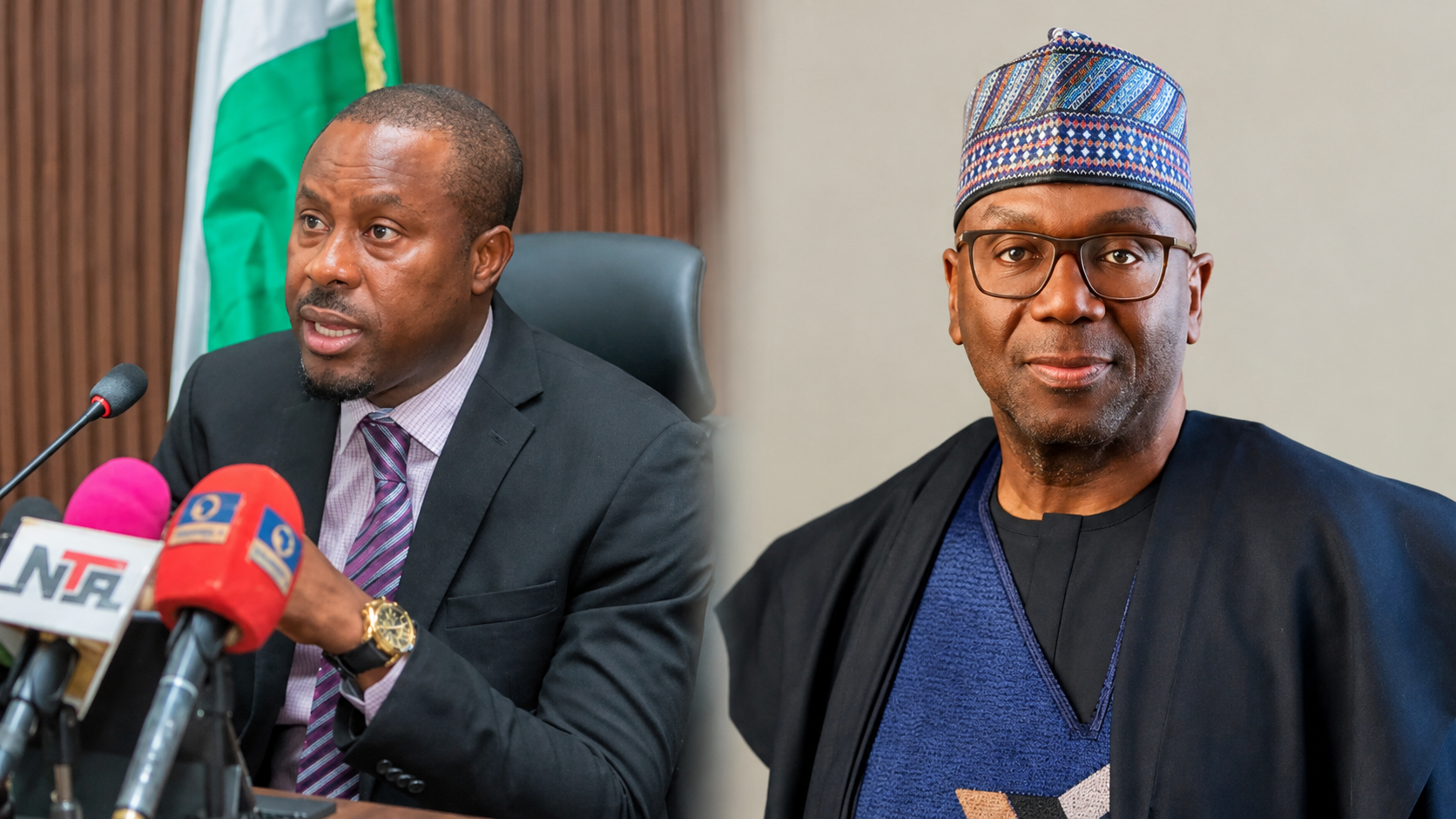
State government-owned hospitals in Kwara State are introducing electronic medical records (EMR) to strengthen health information management and modernise public healthcare delivery in the state.
The Executive Secretary of the KW-HMB, Abdulraheem Malik, disclosed this to PREMIUM TIMES in Ilorin, the state capital.
He said the initiative, being implemented through KW-HMB under the HOPE-PHC Project, will see healthcare workers begin training on the system in November.
The digital healthcare programme is expected to reduce reliance on paper-based medical records, improve access to patients’ medical histories and promote continuity of care across public hospitals in the state.
The system is also designed to strengthen administrative efficiency and support evidence-based decision-making in hospital management.
The rollout builds on an earlier hospital digitalisation pilot involving six hospitals and the state government’s ongoing efforts to integrate digital solutions into healthcare service delivery.

The initiative also complements the board’s efforts to strengthen health information management, including the inauguration of its Data Management Committee in August 2026.
The KW-HMB boss, Mr Malik, commended Governor AbdulRahman AbdulRazaq for approving the initiative, describing it as an important milestone in the state’s drive towards a more efficient, accountable and technology-driven public healthcare system.
READ ALSO: 30 children rescued from illegal orphanage in Kwara
Mr Malik said the adoption of electronic medical records would strengthen hospital operations, improve patient information management and support more efficient clinical encounters across the state.
He reaffirmed the board’s commitment to working with relevant stakeholders to ensure the successful implementation of the programme and deliver more responsive, efficient and patient-centred healthcare services to residents.
The staff training scheduled for November is expected to equip healthcare personnel with the skills required to operate the system effectively.
When fully implemented, the initiative is expected to improve the management of patients’ health information and support better coordination of care across Kwara State’s public hospitals.
Discover more from Premium Times Nigeria
Subscribe to get the latest posts sent to your email.
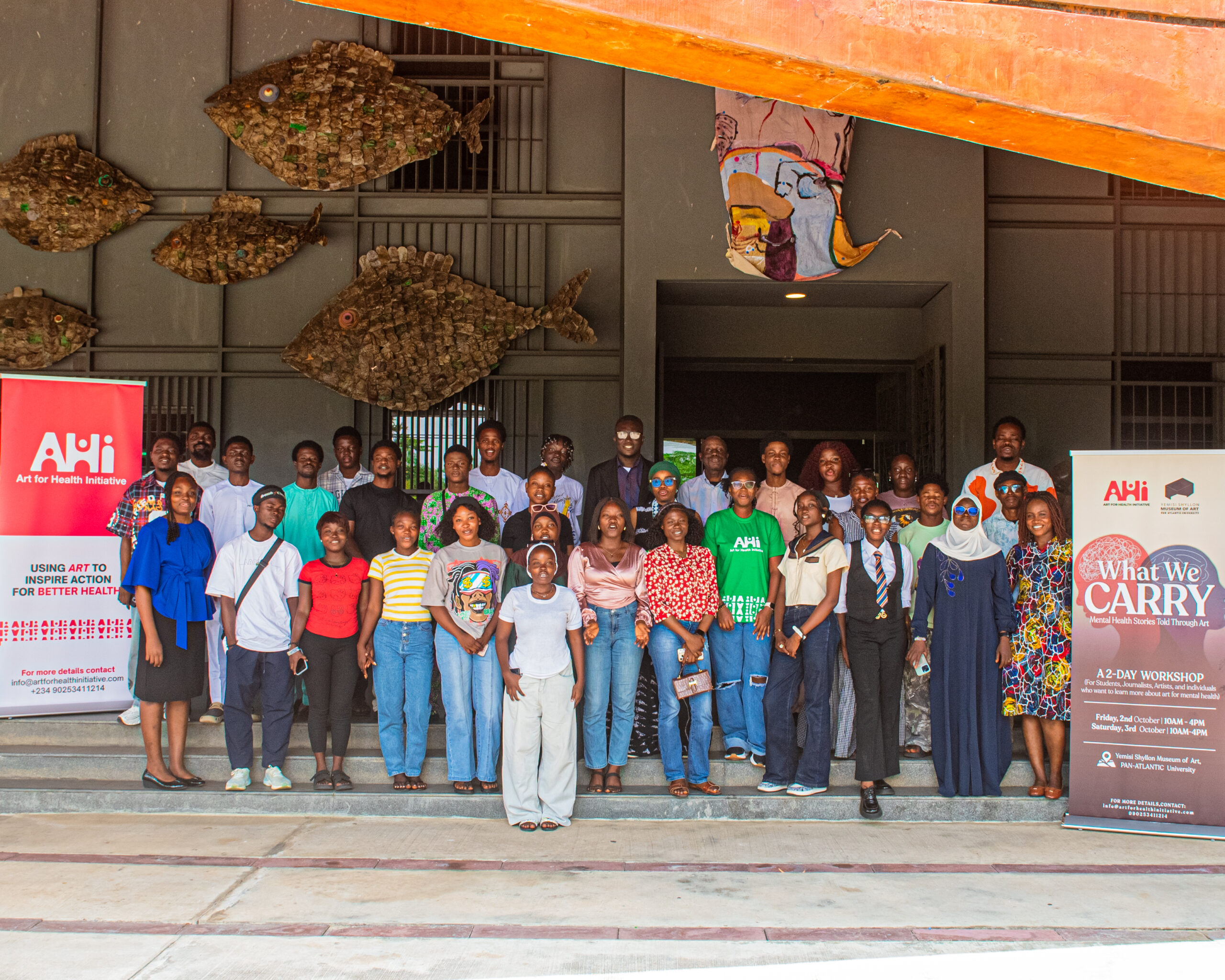
Twenty-five art students of the Yaba College of Technology (Yabatech), Lagos State, have explored mental health and emotional well-being through art in a workshop aimed at encouraging conversations around mental health.
The two-day Health Story Lab, organised by the Yemisi Shyllon Museum of Art (YSMA), Pan-Atlantic University, in collaboration with the Art for Health Initiative (AHI), was held on 2 and 3 October in Lagos.
The programme, titled “What We Carry: Stories of Mental Health and Resilience”, brought together art, public health, mental health and storytelling to help the students explore how creative expression can be used to communicate experiences that may be difficult to discuss openly.
The workshop was held ahead of World Mental Health Day (WMHD), marked annually on 10 October.
Using art to discuss mental health
The students participated in sessions on public health and art, mental health and resilience, creative expression and art for social change.
According to the organisers, the discussions gave the students an opportunity to reflect on issues such as stress, uncertainty, social pressure, family expectations, grief, fear and hope.

The students subsequently developed creative concepts and received feedback from facilitators and their peers.
The students also examined the role of art in health communication during a session led by Olayinka Badmus, a public health strategist. The session explored how creative expression can communicate public health issues and make health conversations more accessible.
Another session, led by psychiatrist and psychotherapist Emmanuel Abayomi, focused on mental health and resilience, while Art Project Lead Temitope Oladeji guided students to express their experiences and emotions through art. The programme also included a museum tour focused on art for social change, led by a museum educator, Charles Udeh.
Solomon Nkwagu, Head of Corporate Communication and Visitors’ Services at YSMA, said the programme showed the potential of art to encourage conversations around public and mental health.
“They began to see the possibility of using their creative voices to start conversations around public and mental health, to tell stories that people can recognise themselves in, and perhaps even to create moments of reflection and healing for others. That shift in perspective was one of the most rewarding parts of the programme,” Mr Nkwagu said.
In her remarks, Chidera Aneke, Founder of AHI, said the initiative was designed to make health communication more participatory, culturally relevant and emotionally engaging.
Ms Aneke said health information could be communicated not only through statistics and clinical information but also through stories, images, symbols, emotions and lived experiences.
“We wanted to create a space where young artists could understand that health is not only communicated through statistics, campaigns or clinical information. It can also be communicated through stories, images, symbols, emotions and lived experiences,” she said.
“Working with the students showed us the possibilities that emerge when artists are given the knowledge, language and space to think about health through their own creative practice.”
Mental health burden
Mental health remains a significant public health concern in Nigeria.
A 2026 systematic review and meta-analysis of 53 studies involving more than 132,000 people estimated that 7.9 per cent of the general population had experienced suicidal thoughts, while 1.9 per cent had made suicidal plans and 1.3 per cent had attempted suicide.

The researchers said suicidal behaviour was more common among some groups, including adolescents, young people, and pregnant women.
This year’s World Mental Health Day theme is “Lived experiences heard: real voices, real change.”
The World Health Organisation (WHO) is calling for people who have experienced mental health conditions to have a meaningful role in shaping policies, services and decisions that affect them.
“World Mental Health Day is an opportunity to meaningfully engage with people with lived experience (PWLE) of mental health conditions and to recognise their knowledge as a vital form of expertise,” it noted.
READ ALSO: PT Health Watch: Why some pregnant women develop gestational diabetes
“This year’s campaign calls for their voices to shape the policies, services and decisions that affect their lives.”
From workshop to exhibition
The Yabatech students will develop artworks based on the issues explored during the workshop.
The works are expected to form a micro-exhibition in Lagos in November, giving members of the public an opportunity to engage with mental health and resilience through the perspectives of young artists.
The organisers said the initiative is intended to demonstrate how partnerships between the creative sector, museums and public health practitioners can create new ways of discussing mental health.
Discover more from Premium Times Nigeria
Subscribe to get the latest posts sent to your email.
-

 Business3 days ago
Communications Ministry made ₦345.5 million duplicate payment for Abuja ICT Park project
-
Business4 days ago
Fuel subsidy would cost Nigeria over N20trn yearly — Minister
-
News3 days ago
LumenUs helps automate tedious paperwork in times of grief
-
News3 days ago
Inside INEC’s AI and cybersecurity plans to secure Nigeria’s 2027 Elections – Technology Times