Education
Plateau State University Applauds Government for Donating Brand-New Bus


Plateau State University, Bokkos, has expressed gratitude to the government for donating a 36-seater bus to alleviate the transportation difficulties its staff and students face.
The university received the new bus on January 10, mere hours after requesting assistance from the authorities. Governor Caleb Mutfwang emphasized that the prompt response reflects the government’s commitment to collaborative governance.
The 17 local government council chairmen, led by the State Commissioner for Local Government and Chieftaincy Affairs, Hon. Ephraim Usman, officially presented the bus to the university management at the old government house in Jos on January 10. The donation, made through a joint effort by the local government councils, followed the university’s appeal to the Commissioner and representatives of the 17 councils.
Acting Vice Chancellor Prof. Shedrack Best highlighted that most staff and students live 40 miles away in Jos due to accommodation shortages, resulting in daily transportation challenges.
“This has implications for service delivery in the university, as staff commute every day from Jos to Bokkos,” Prof. Best stated.


Governor Mutfwang commended the collaborative effort of the local governments and stressed the importance of synergy in governance.
“The states and local governments should prioritize efficiency over autonomy, as we need collaboration and synergy,” Mutfwang said. He also underscored the significance of supporting the university’s development. “PLASU needs to be facilitated in every way to gain its rightful place among universities in Nigeria,” he added.
Prof. Best thanked the governor and the local governments for addressing the concerns of staff and students. He also reiterated the university’s challenges, noting that over 95% of its workforce commutes from Jos due to safety concerns following the December 2023 crisis.
“We have relied heavily on vehicular movement for staff to get to their duty posts, but this has been worsened by the crisis,” Prof. Best explained. “We hope this donation will be the first of many interventions to address our transportation needs.”
The Acting VC also urged the government to consider providing more robust buses capable of navigating the challenging road conditions to Bokkos.
“We have seen the Metropolis buses, but they have limitations in terms of the quality of roads they can travel on,” Prof. Best noted. “We urge the government to find buses that can reach Bokkos so that our staff and students can benefit from this initiative.”
Masara Kim Acting Public Relations Officer Plateau State University, Bokkos




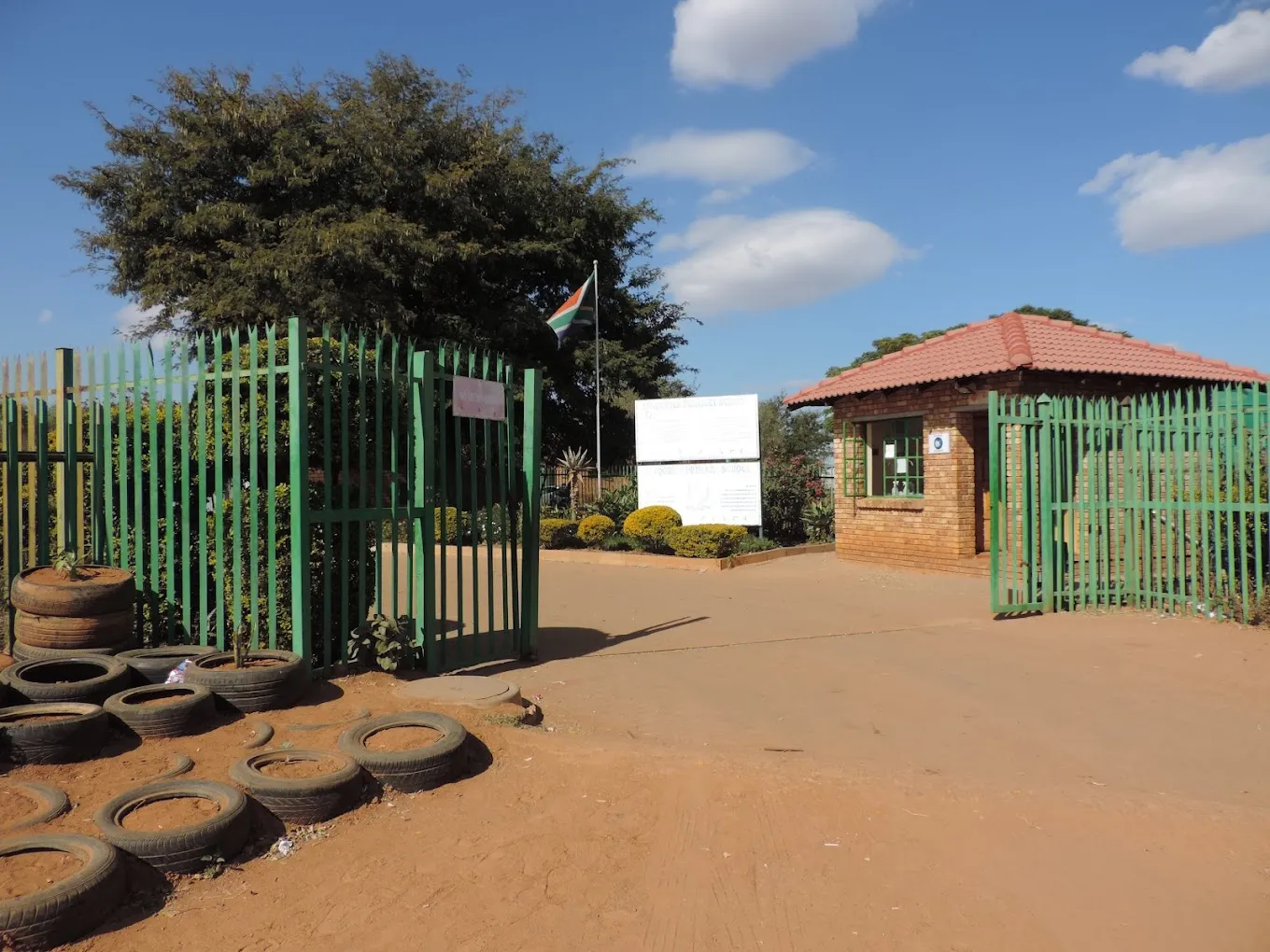
An 11-year-old pupil at Sinqobile Primary School in Soshanguve, South Africa, was allegedly dragged into a school toilet and forcibly circumcised by four older students during break time.
The Grade 5 pupil was reportedly attacked by four Grade 7 students, who allegedly pinned him down before one of them used a sharp blade to remove his foreskin.
The boy was also allegedly threatened with violence if he disclosed the incident to anyone.
According to his mother, the child returned home after the incident but initially refused to tell her what had happened. She later noticed that he was walking unusually and, days later, discovered that he was in severe pain.
The mother said her son eventually showed her his swollen private parts, prompting her to rush him to a doctor.
“He then showed me his swollen private parts and I rushed him to the doctor and it was then that we learned four pupils had circumcised him,” she said.

She said her son told her that the older boys had attacked him in the school toilets during break and threatened to beat him if he told anyone.
The mother subsequently opened a criminal case and refused to allow her son to return to school. Police later persuaded the boy to attend an identity parade, where he reportedly helped identify the four students.
South African Police Service spokesperson, Captain Tintswalo Sibeko, confirmed that a case of assault with intent to cause grievous bodily harm was being investigated.
“Our Family Violence, Child Protection and Sexual Offences Unit are investigating and no arrests have been made at this stage,” Sibeko said.
The Gauteng Department of Education also confirmed that the matter was under police investigation, while saying the school had not reported any similar circumcision attacks.
Deputy Principal George Mahlungu said the school was shocked by the incident.
“We are perplexed by what happened. This school is a place where a child should be safe,” he said.
The school has about 2,050 pupils between the ages of seven and 15.
A doctor who examined the boy reportedly said the procedure appeared to have been carried out in a manner similar to traditional tribal initiation practices. However, the doctor said a full diagnosis could not be made until the swelling subsided.
The boy’s mother said her son had become traumatised by the incident and was afraid to return to school.
Police investigations are ongoing, and no arrests had been made as of the latest report.
-

 News2 days ago
PLASU Opens Doors to Global Investors at 2nd Inaugural Lecture
-
News2 days ago
Plateau Specialist Hospital Celebrates Nigeria at 66, Salutes Mutfwang’s Health Initiatives
-
Health19 hours ago
Plateau: Medical Women Association of Nigeria Marks Older Persons Day with Free Outreach
-
News2 days ago
Nigeria At 66: Rotjimwa Yilyok Salutes President Tinubu, APC Leadership and Plateau Government