Events
Plateau State Celebrates World Tourism Day with a Joyful Fiesta!


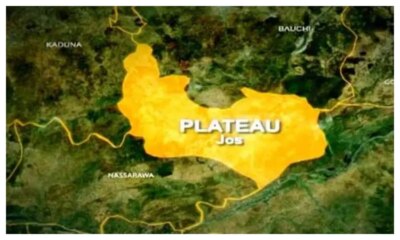
The Plateau State is bursting with excitement as it kicks off World Tourism Day 2024! With the theme “Tourism and Peace,” the state is hosting a series of vibrant events to showcase its rich culture, stunning landscapes, and unwavering commitment to peace.
From street parties to cultural performances, there’s something for everyone. Imagine dancing to the rhythm of traditional Birom dances, marveling at the breathtaking views from Shere Hill, or indulging in the delicious flavors of local cuisine. The grand finale will be a spectacular celebration at the Jos Wildlife Park, followed by a night of entertainment at Tuduwada Hill Grill, featuring live music, dance performances, and a vibrant atmosphere.
The state’s Tourism Commissioner, Musa Ashoms, couldn’t contain his enthusiasm. “This is a special day for Plateau State,” he said. “We’re committed to creating a peaceful and welcoming environment for tourists from all over the world. Our recent partnership with investors to boost agritourism and culinary tourism is just one example of our dedication to sustainable development.”


And there’s plenty to see and do! Visitors can explore the historic Jos Museum, take a scenic tour of Cherry Hills, or simply relax in the serene surroundings of the Jos Wildlife Park. For those seeking adventure, there are opportunities for hiking, trekking, and wildlife safaris.
For families with children, the Plateau State Tourism Corporation has partnered with the Lightning Roller Skating Association to bring excitement and fun to younger participants. And don’t forget to visit the National Museum to learn about the state’s fascinating history and heritage.
The state government has also made significant investments in tourism infrastructure, including the redevelopment of Hill Station Hotel, Plateau Hotel, and Solomon Lar Amusement Park. These upgrades, along with enhancements to the Jos Wildlife Park, are designed to provide visitors with a comfortable and enjoyable experience.
So join the festivities and discover the magic of Plateau State! With its friendly people, breathtaking scenery, and rich cultural heritage, Plateau State is the perfect destination for a memorable vacation.
Gemini may display inaccurate info, including about people, so double-check its responses.





Lingzhi Global Nigeria Ltd. has announced plans to hold the second edition of the Coffee Festival International Nigeria in Calabar, Cross River State, from October 30 to November 1, 2026, as part of efforts to promote coffee production and expand opportunities across the value chain.
The festival, organised in collaboration with the National Coffee and Tea Association of Nigeria, NACOFTAN, will be held under the theme, “Coffee Sustainability and Empowerment: Focusing on Women and Youth Development,” with emphasis on skills development, community development and job creation.

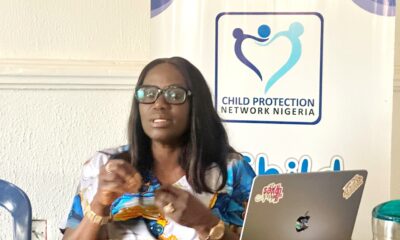
The Chief Executive Officer of Lingzhi Global, Mrs. Blessing Nanman, disclosed this at a stakeholders’ meeting in Abuja, saying the event would bring together coffee stakeholders, investors and international participants to explore opportunities in farming, processing, packaging, marketing and export.
“Farmers have gone to work. Some processors are already at the verge of breaking through. This is the time where we want to invite all investors, partners and international organisations to support us in the coffee industry,” Nanman said.
She said the maiden edition attracted participants from different countries, while the 2026 festival is expected to draw representatives from about 30 countries. According to her, the event would further define opportunities within the coffee value chain and encourage local consumption of coffee.
Nanman said Lingzhi Global was also expanding its coffee business through the establishment of coffee shops, noting that the outlets had become platforms where communities, families and people from different backgrounds could connect over coffee.

She said Cross River was selected to host the second edition because of its potential for coffee production and the state government’s efforts to expand cultivation through the distribution of millions of coffee seedlings.
Speaking on the forthcoming festival, Cross River State Commissioner for Agriculture and Irrigation Development, Hon. Johnson Ebokpo, commended Lingzhi Global for its role in promoting coffee and tea development in the state and for working with stakeholders to strengthen the sector.
He said the company had contributed efforts to improve farmers’ access to seedlings, knowledge and markets, describing its partnership with the state as important to the development of the coffee value chain.
“We are pleased to be collaborating with Lingzhi Global, organisers of the International Coffee Festival, and NACOFTAN,” Ebokpo said.
The commissioner said the festival would give Cross River greater visibility as a coffee-producing destination while creating opportunities for women and young people to participate in the industry.
“This is also an opportunity for us to use the festival as a platform to create jobs for our people, particularly women and youths, while providing them with opportunities to learn more and develop their skills,” he said.
Ebokpo said the coffee industry extends beyond farming to processing, packaging and export, stressing that young people could create businesses and develop their own brands by participating in different stages of the value chain.
He said Cross River has about 23,000 square kilometres of arable land suitable for coffee development and has the agro-ecological advantage of producing both Arabica and Robusta varieties. He added that the state plans to distribute at least 30 million coffee seedlings over five years.
President of NACOFTAN, Dr. Hassan Usman, said the festival would provide an opportunity for Nigerian stakeholders to exchange knowledge and technology with international players in the coffee industry.
“The Coffee Festival is not only Nigerian in inclusion, but international. We have people coming from Brazil, Indonesia, Kenya and all the countries. The globe will be around with us,” Usman said.
Usman also commended Lingzhi Global for taking stakeholders across the country and beyond to gain knowledge in coffee processing and marketing, saying the company had played a critical role in connecting Nigerian stakeholders with international opportunities.
He said stakeholders would use the gathering to strategise on strengthening the coffee value chain and changing the narrative around coffee production in Nigeria, while calling for greater participation from government agencies, investors and other stakeholders.
The 2026 Coffee Festival International Nigeria is expected to bring together farmers, processors, roasters, investors, experts and other stakeholders from Nigeria and abroad for three days of knowledge-sharing, networking and promotion of the coffee industry.


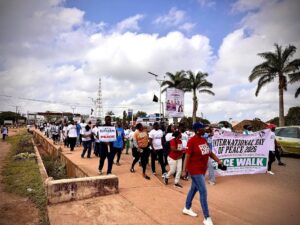
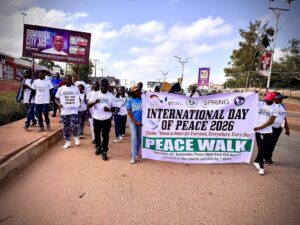
The streets of Jos echoed with a simple message on Saturday: peace is everyone’s responsibility.
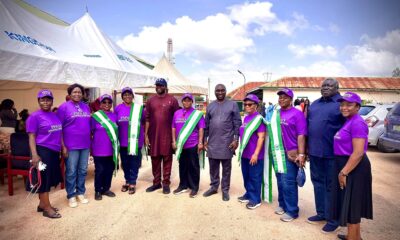
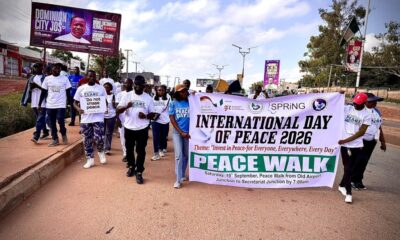
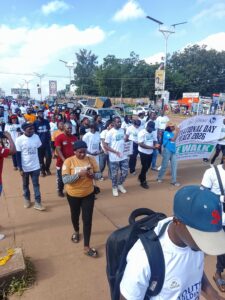
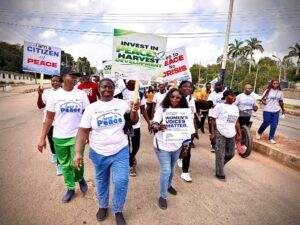
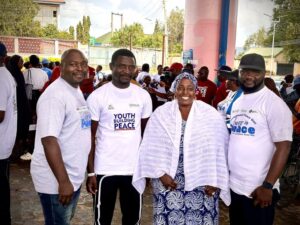
As part of activities marking the 2026 International Day of Peace, the Women for Positive Peacebuilding Initiative (WOPPI) joined other peace organisations for a peace walk from Old Airport Junction to Secretariat Junction Bridge.
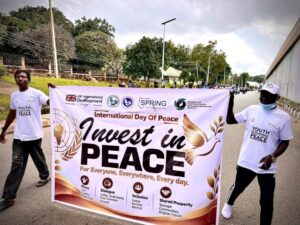
Holding placards calling for unity, dialogue and peaceful coexistence, participants took the message of peace to the streets and into the public space.
This year’s International Day of Peace, observed on September 21, is themed “Invest in Peace – For Everyone, Everywhere, Every Day.” The United Nations says the theme highlights the role of ordinary people as “everyday architects of peace.” (United Nations Peacekeeping)
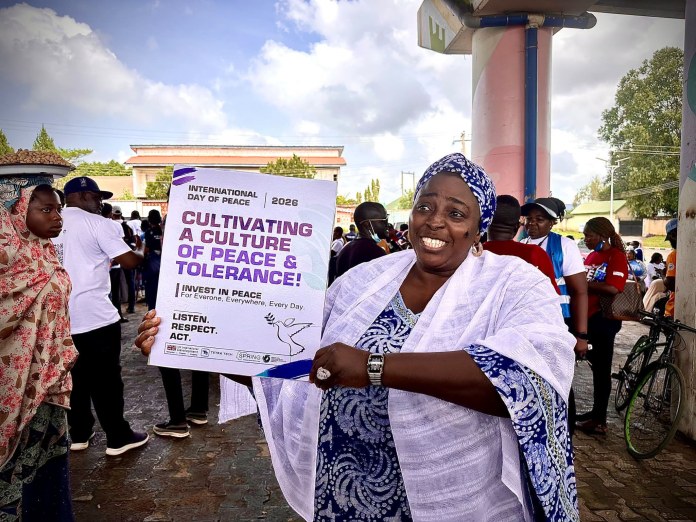
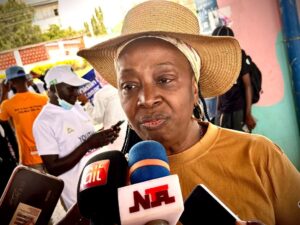
For WOPPI Executive Director, Lantana Abdullah, the message is particularly important for Plateau, a state with a history of violent conflicts.
She said peace cannot be left to government or security agencies alone. Every citizen, she stressed, has a role to play.
“Every citizen residing in Plateau or beyond Plateau or in Nigeria must play their part in making sure we sustain and build enduring peace for everyone.”
Abdullah urged citizens to choose dialogue over confrontation, report responsibly and speak up when they see issues capable of threatening peace.
She also challenged negative narratives about Plateau, pointing out that people continue to live, work and build their livelihoods across the state despite its troubled past.
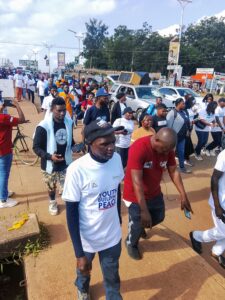
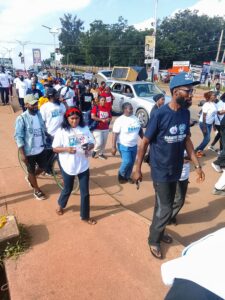
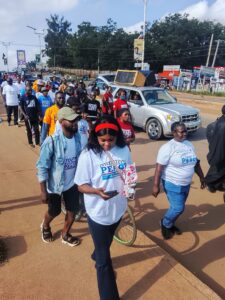
For WOPPI, women must also be at the centre of this process. The organisation works to strengthen women’s voices, train them as mediators and involve them in preventing and resolving conflicts within their communities.
The walk therefore carried more than placards. It carried a reminder: peace is not something people wait for others to create. It is something communities build—one conversation, one intervention and one peaceful choice at a time.
And in the words of this year’s global message, that investment must happen for everyone, everywhere, every day. (United Nations)
-

 Business3 days ago
Communications Ministry made ₦345.5 million duplicate payment for Abuja ICT Park project
-
Business4 days ago
Fuel subsidy would cost Nigeria over N20trn yearly — Minister
-
News3 days ago
LumenUs helps automate tedious paperwork in times of grief
-
News3 days ago
Inside INEC’s AI and cybersecurity plans to secure Nigeria’s 2027 Elections – Technology Times