News
How to make the Startup Battlefield Top 20 — and what every company gets regardless

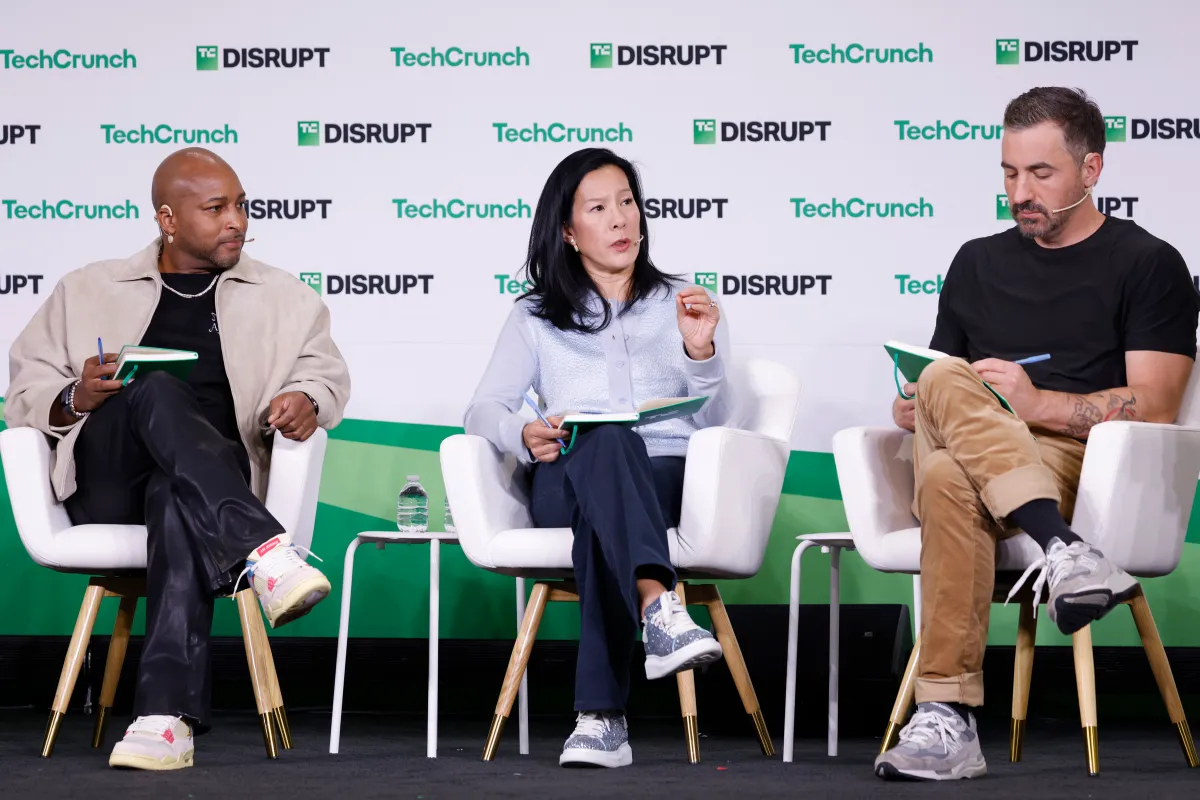
Every founder who applies to Startup Battlefield wants the same thing: the Disrupt Main Stage. Six minutes to pitch and demo live, in front of top-tier Silicon Valley investors. A dedicated TechCrunch article published as you present. A shot at the $100,000 equity-free prize and the Disrupt Cup.
And all of that could be yours, but every path to Startup Battlefield success begins with an application. And we actually have extended the deadline for this year’s cohort to June 8, so you only have a brief window to send yours in.
Head here to start up that application right now, but for a head start, we have some advice based on past competitions, and some detail on why participant perks start well before the main stage at Disrupt kicks off.
What it takes to make the Startup Battlefield Top 20
The Startup Battlefield Top 20 represents the best of the best from the Startup Battlefield 200. Companies with ideas that are meaningfully different, category-defining, and capable of making a major impact in their industry or geography. Selection comes down to which companies are the most compelling, differentiated, and ready for a global stage.
Your product and founder videos are everything. They are the first impression and play the most significant role in identifying which companies are ready for the Disrupt Stage. Show your product in action. Be specific about what makes you different. Let your conviction come through on camera, not just your metrics.
Selected companies work closely with the TechCrunch team on pitch preparation ahead of Disrupt. Each company pitches and demos live for six minutes on the Disrupt Stage, followed by a live Q&A with top-tier investors like Aileen Lee (Cowboy Ventures), Kirsten Green (Forerunner), Navin Chaddha (Mayfield), Chris Farmer (SignalFire), Dayna Grayson (Construct Capital), Ann Miura-Ko (Floodgate), and Hans Tung (Notable Capital).
Of the Top 20, five are selected to pitch again on the final day of Disrupt in front of a new panel of high-profile judges. The winner receives $100,000 in equity-free prize money and the Disrupt Cup.
Check out the Top 20 from 2024 and 2025.

Not selected for the Top 20 initially? You’re still in the running
The list isn’t final until Disrupt is underway. Every year, things change — founders drop out, schedules shift, and standout companies from the 200 rise quickly during the program.
We keep the Top 20 confidential until the event begins and maintain a shortlist of companies ready to step in. It happens every cycle.
And more importantly, being in the 200 is where the real opportunity begins. The stage is one moment. But the access, exposure, and network you gain as part of the cohort extends far beyond it.
What every Startup Battlefield 200 company gets
You don’t have to make the Top 20 for Startup Battlefield to change your trajectory.
Every selected company receives a fully funded demo booth at TechCrunch Disrupt; complimentary event passes for the team; access to a pre-event virtual program with world-class VCs, operators, and founders; dedicated pitch preparation; and an invitation to the private Startup Battlefield reception.
At Disrupt, all 200 companies present. Whether you’re on the Disrupt Stage competing for the $100,000 prize or on the Showcase Stage for Best in Industry, both are real opportunities to stand out in front of the investors, press, and partners who come to Disrupt to find what’s next.
On the editorial side, every company enters the TechCrunch ecosystem. Coverage isn’t guaranteed, but our editors actively track Startup Battlefield companies through articles, the Build Mode podcast, the Equity podcast, and future updates as you grow. Standout companies are often invited to pitch, speak, and return across TechCrunch platforms. It’s an opportunity that compounds over time.
Beyond that, you join the Startup Battlefield alumni community, which includes 1,700+ companies, such as Dropbox, Discord, and Cloudflare, which have collectively raised $32 billion and produced 250+ exits. This isn’t a mailing list — it’s a network of founders who’ve been through the same experience and continue to support each other.
Alumni receive ongoing opportunities to pitch and speak at TechCrunch events, discounted and complimentary access to future events, and exclusive perks from our partner network.
The stage is one moment. The network, visibility, and access are what last.
You get value just for applying to Startup Battlefield
Even if you’re not selected, applying has its upsides. Applicants receive exclusive discounts on Disrupt tickets and exhibit opportunities, along with resources from our partners, so you can stay close to the ecosystem and come back stronger next cycle.
If you’re on the fence about whether you’re ready, apply anyway. It’s free, it takes nothing off the table, and it’s our job to tell you if it’s not the right time. The founders who wait until they feel ready often wait too long.
While you’re preparing, check out Build Mode, TechCrunch’s podcast for early-stage founders featuring past Startup Battlefield companies, breakout founders, and top-tier investors. Consider it the inside track on what it takes to build a Battlefield-ready company.
Applications close June 8, 2026. TechCrunch Disrupt takes place October 13–15 in San Francisco.
Apply for Startup Battlefield 2026 if you think you have what it takes to make the Top 20.
When you purchase through links in our articles, we may earn a small commission. This doesn’t affect our editorial independence.







-

 News3 days ago
Robot data startup Mecka AI nabs $60M from Sequoia
-
Business2 days ago
Communications Ministry made ₦345.5 million duplicate payment for Abuja ICT Park project
-
Business2 days ago
Fuel subsidy would cost Nigeria over N20trn yearly — Minister
-
News2 days ago
LumenUs helps automate tedious paperwork in times of grief