News
Family Demands Justice Over Killing of Yilbet Tongshang, Destruction of 13 Houses in Plateau Community

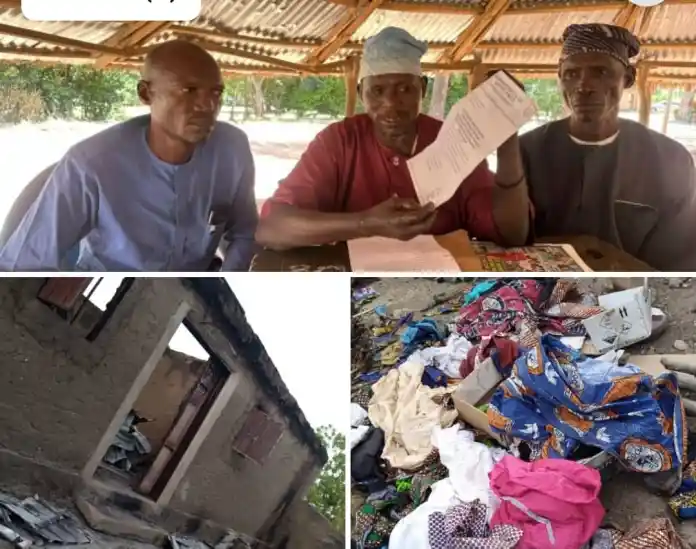
The family of the late Yilbet Samwa Tongshang of Bul community in Kabwir District, Kanke Local Government Area of Plateau State, has appealed to the Plateau State Police Command and other relevant authorities to ensure justice over his alleged killing and the destruction of properties worth millions of naira.
In a press statement jointly signed by Lengkat Tongshang (the complainant) and Nde Paul Tongshang (on behalf of the family), they alleged that on March 5, 2025, a group of individuals identified as Yunusa Dungkolma Tenwa, Augustine Gomgchim, John Bunwa, Jidim Munanji, and others conspired and attacked the deceased with machetes and other dangerous weapons.
According to the statement, the attackers not only inflicted fatal injuries on the victim but also allegedly set fire to 13 houses belonging to various members of the Bul community, destroying properties estimated at over ₦100 million.

The incident was reported to the Divisional Police Headquarters in Kanke, and the injured victim was taken to General Hospital, Kanke, where he was later confirmed dead. The case was subsequently transferred to the Criminal Investigation Department (CID) in Jos for further investigation.
However, the family expressed concern that during the investigation, the Commissioner for Local Government and Chieftaincy Affairs, Hon. Ephraim Usman, allegedly summoned both parties to his office in the presence of the Kanke Local Government Chairman, Hon. Lapching Golime, and some stakeholders.
They claimed that the commissioner and the chairman directed that the suspects be released on bail to allow the local government handle the matter internally and ensure justice. Following that directive, eight suspects were released.
“Since their release, nothing has been done by the local government chairman as promised,” the family lamented. “We have visited the police at CID Jos several times, but we are being told to go and beg the chairman, who has since become inaccessible.”

The family further alleged attempts by some local authorities to shield the suspects from prosecution, describing the situation as “an injustice that must not be ignored.”
In a petition addressed to the Commissioner of Police, Plateau State Command, through their solicitors Ladan Attorneys & Co, the Tongshang family reiterated their call for justice and urged the police to ensure that the accused persons are arraigned before a competent court of law. 
The letter, signed by Barr. Ismaila Ladan, described the release of the suspects as an “unconstitutional administrative bail” and alleged that the perpetrators have since been boasting that nothing would come out of the case due to political interference.
“Our clients are calling on your good office to intervene and ensure that justice prevails. No one should take another person’s life and go unpunished,” the petition read.
The Tongshang family appealed to the Plateau State Government, civil society organizations, and the general public to condemn what they described as a deliberate attempt to obstruct justice and to demand accountability for the killing and arson in Bul community.
They emphasized that their only demand is justice — for their slain relative and for all those whose homes and livelihoods were destroyed in the attack.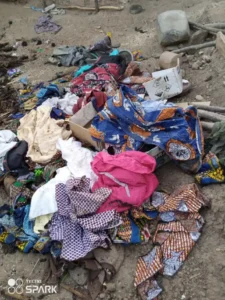






Chairman of Pankshin Local Government Council of Plateau State, Felix Gonung, has vowed to crack down on suspected ritual killings after two deaths were recorded in the area within a month.
Mr Gonung, who gave the assurance during an interview with journalists on Friday in Pankshinon, confirmed that vital organs were allegedly harvested from the victims.
He said three suspects were arrested following the discovery of a woman’s body last month.
He added that further investigations had led to the recovery of suspected fetish substances from the suspects, who had since been transferred to the police headquarters in Jos.
The council chairman said security agencies were also investigating the discovery of a young man’s body at Monday Market on October 6, with vital organs allegedly missing.
He said the incident might be linked to cult activities among students or criminals operating within the student community
He assured residents that his administration was working with security agencies to address the situation and restore peace.
He stated, “I swore an oath to protect the lives and property of my people. However, the government’s security plans are confidential and the public will soon feel their results and impact.
“This administration, in collaboration with security agencies, is doing everything within its power to restore and maintain the long-existing peace in our communities.”
Mr Gonung noted that the council would introduce a policy requiring landlords and hotel operators to provide information about their tenants and guests, respectively.
“This will enable us to crack down on criminal syndicates who disguise themselves as students or guests to perpetrate crimes in the community,” he said.
He noted that Pankshin had enjoyed relative peace despite security challenges in other parts of the state, adding that the recent incidents had understandably heightened residents’ concerns.
He urged residents to remain calm and vigilant and report suspicious activities to the appropriate authorities.
Mr Gonung also called for stronger collaboration among security agencies, traditional rulers, religious leaders and community stakeholders to tackle the menace, stressing that security was a collective responsibility.
(NAN)

-

 News4 days ago
Mirror Particle is building a ‘world model’ of human behavior
-
News3 days ago
FCCPC reviews rules for Nigeria’s online sales promotions, giveaways – Technology Times
-
News2 days ago
Robot data startup Mecka AI nabs $60M from Sequoia
-
Business3 days ago
Nigeria has reduced reliance on oil revenue