Health
Nigeria launches food procurement guidelines to tackle unhealthy diets, improve nutrition

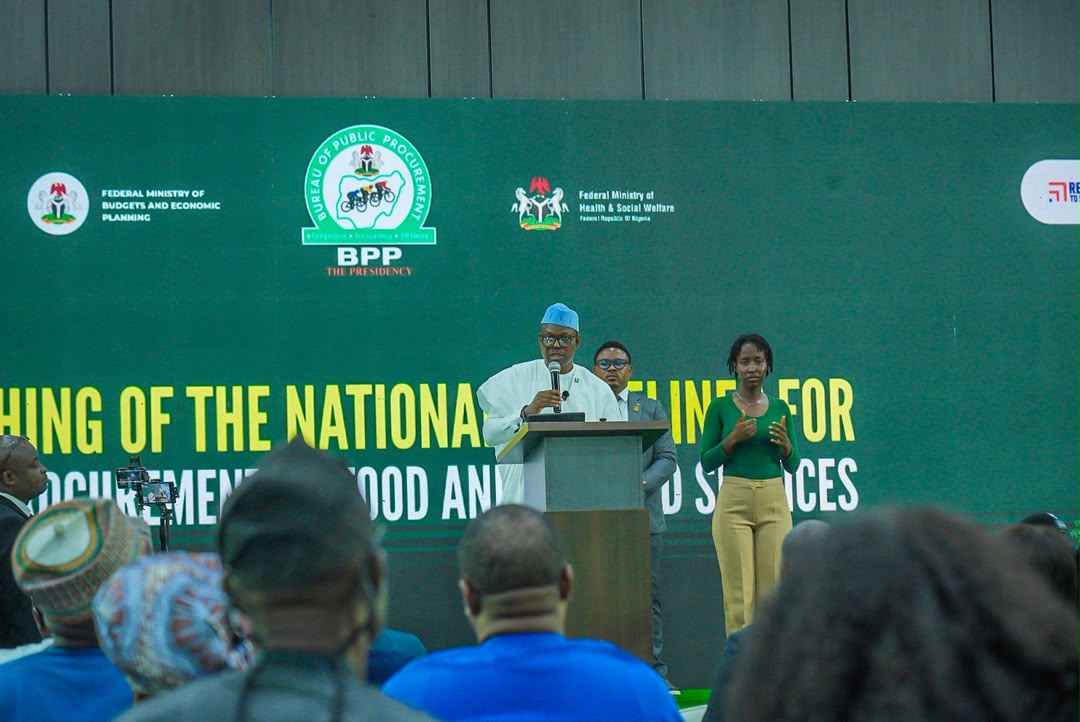

The federal government has launched the National Guidelines for Public Procurement of Food and Related Services.
The framework introduces nutrition standards for food purchased with public funds as part of efforts to reduce unhealthy diets and curb the growing burden of non-communicable diseases in Nigeria.
The guidelines, unveiled on Monday in Abuja at an event themed “Public Procurement of Food: Promoting a Culture of National Wellness Through the Food Value Chain,” are expected to influence food served in public institutions, including schools, hospitals, correctional centres and military establishments, by setting evidence-based standards on nutrition, food safety and quality.
Delivering his keynote address at the launch, the Minister of State for Health and Social Welfare, Iziaq Salako, said the initiative marks a shift from viewing public procurement as a routine administrative process to using it as a strategic tool to improve public health and national development.
“When the government demands healthier, safer and more nutritious food, it creates incentives for the entire food system to innovate, improve quality and align with higher public health standards,” he said.

Why it matters
Mr Salako said the government remains the country’s largest institutional purchaser of food, meaning procurement decisions have the potential to influence food production, consumer behaviour and nutrition standards across the food value chain.
According to him, the guidelines establish limits on sodium, sugar and unhealthy fats in foods procured by public institutions while encouraging balanced and nutritious diets.
He said the document complements existing national policies, including the National Guideline for Sodium Reduction, the Trans Fat Regulation and the 2023 National Policy on Food Safety and Quality.
Rising burden of unhealthy diets
Mr Salako noted that unhealthy diets contribute to about 7.2 million deaths globally every year, driven largely by excessive consumption of salt, sugar and unhealthy fats as well as inadequate intake of fruits, vegetables and whole grains.
He revealed that the average Nigerian adult consumes between 3.9 grammes and 4.9 grammes of sodium daily, almost double the World Health Organisation’s (WHO) recommended limit of 2 grammes.
Mr Salako added that increasing consumption of sugar-sweetened beverages has contributed to rising rates of obesity and diabetes, prompting the introduction of the sugar-sweetened beverage tax, while industrial trans fats have also been restricted under Nigeria’s Trans Fatty Acid Regulation.
“These measures are designed to control dietary patterns that fuel the growing burden of non-communicable diseases, placing enormous pressure on health systems, national economies and household incomes,” he said.
Child malnutrition remains a concern
Mr Salako also highlighted the country’s persistent nutrition challenges, noting that malnutrition remains a direct or underlying cause of nearly half of the deaths among children under five years.
He said the Nigeria Mini Demographic and Health Survey found that about four in every 10 Nigerian children under five are stunted, while nearly two million children suffer severe acute malnutrition annually.
READ ALSO: PT Health Watch: What expectant parents should know about Rhesus incompatibility
“These are not merely health statistics. They represent profound human capital challenges with significant implications for educational attainment, labour productivity, household prosperity, national competitiveness and sustainable economic growth.”
Implementation key
Mr Salako stressed that the success of the guidelines would depend on effective implementation rather than their launch.
He urged procurement and accounting officers across government institutions to ensure compliance, noting that procurement decisions influence health outcomes, productivity and public confidence in government.
He added that the Federal Ministry of Health and Social Welfare would continue to promote disease prevention through healthier public policies as part of efforts to achieve universal health coverage.




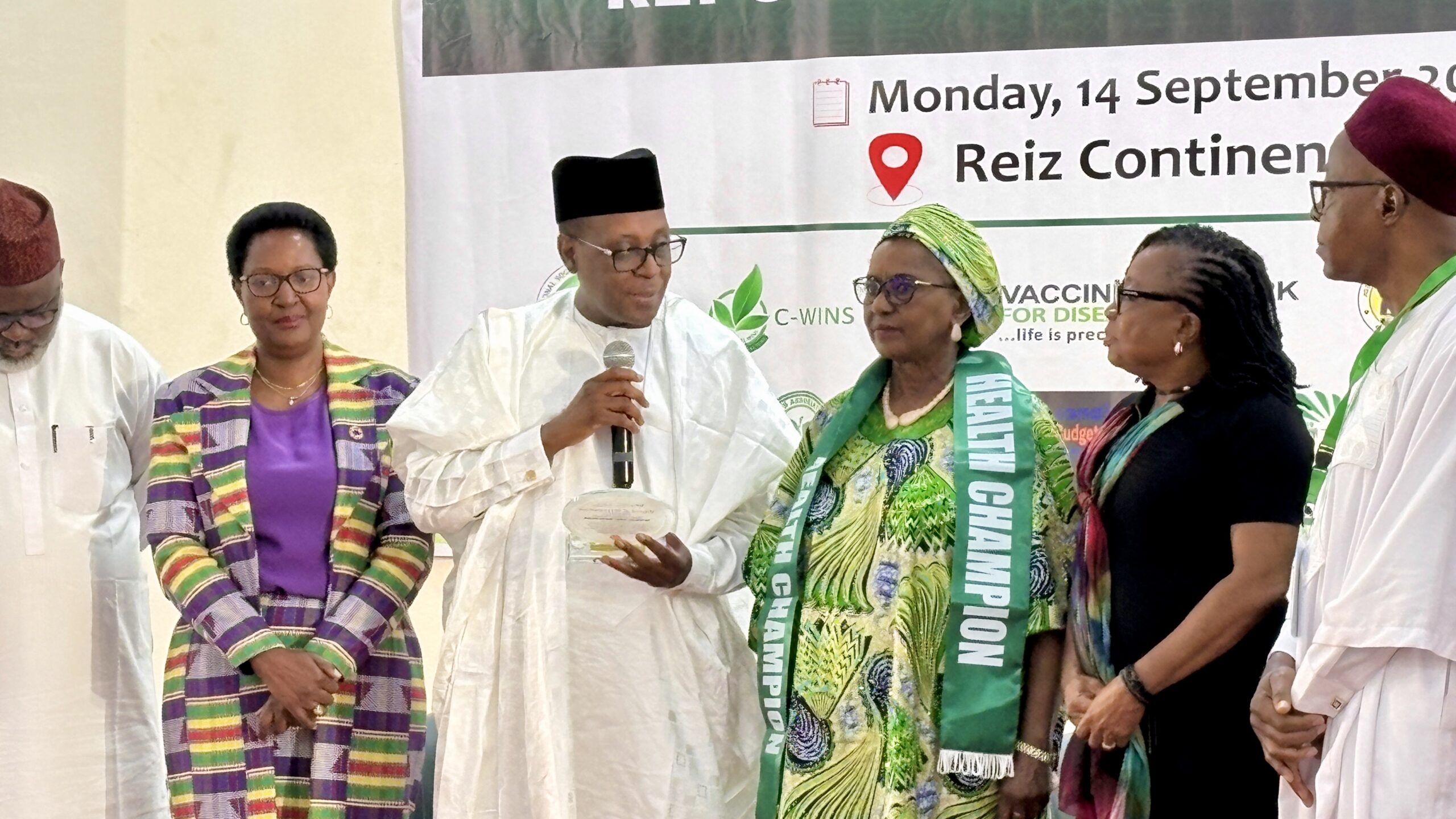
The Chairman of the Senate Committee on Health, Ipalibo Banigo, has called for increased investment in Nigeria’s health sector, saying the country remains below its commitments to healthcare financing.
Ms Banigo made the call on Monday in Abuja after she was recognised as the Health Champion 2026 at the Health Sector Reform Coalition (HSRC)/Nigeria Universal Health Coverage (UHC) Civil Society Organisations-Media Mid-Year Review of Nigeria’s Health Sector Reforms.
The event brought together government representatives, civil society organisations, development partners and media professionals to review progress on health-sector reforms and efforts to improve health outcomes in Nigeria.
Increased health investment
Receiving the recognition, Ms Banigo, a medical doctor and senator representing Rivers West Senatorial District, said Nigeria still had significant ground to cover in meeting its health-financing commitments.
She noted that despite the country’s commitment under the Abuja Declaration to allocate 15 per cent of its annual budget to health, actual government spending remains considerably below that benchmark.
“We are not up to the 15 per cent declaration, the Abuja Declaration; we are not there yet. Even at six per cent, we are not close to it,” she said.
She stressed that stronger efforts were needed to increase domestic financing for healthcare.
Her call comes as the National Assembly continues to pursue legislative measures to expand domestic resources available for healthcare.
Legislative
One of the measures sponsored by Ms Banigo is the National Health Act (Amendment) Bill, which seeks to increase the allocation to the Basic Health Care Provision Fund (BHCPF) from one per cent to two per cent of the Consolidated Revenue Fund.
The BHCPF is intended to support the delivery of basic healthcare services, particularly through primary healthcare facilities.
Beyond the BHCPF, Ms Banigo has also sponsored the Sugar-Sweetened Beverages (SSB) Tax Bill, which seeks to replace the existing flat-rate levy on sugary drinks with a percentage-based levy linked to retail prices.
The Senate passed the bill in June 2026.
Under the proposed framework, revenue generated from the levy would support health promotion, disease prevention and primary healthcare.
Health advocacy
The Health Champion 2026 recognition was presented to Ms Banigo for her advocacy and legislative contributions to Nigeria’s health sector.
Presenting the plaque, the Coordinating Minister of Health and Social Welfare, Muhammad Pate, applauded her contributions and encouraged her to sustain the effort.
Mr Pate’s commendation came as stakeholders at the event reviewed ongoing reforms to improve health financing and health outcomes across the country.
READ ALSO: Tax reforms, economic growth critical to Nigeria’s health financing – Official
Ms Banigo expressed appreciation to the organisers, government representatives, civil society organisations, development partners, media professionals and other stakeholders involved in the review.
Ms Banigo said the recognition had further strengthened her resolve to continue supporting policies and reforms aimed at improving healthcare delivery in Nigeria.
Discover more from Premium Times Nigeria
Subscribe to get the latest posts sent to your email.
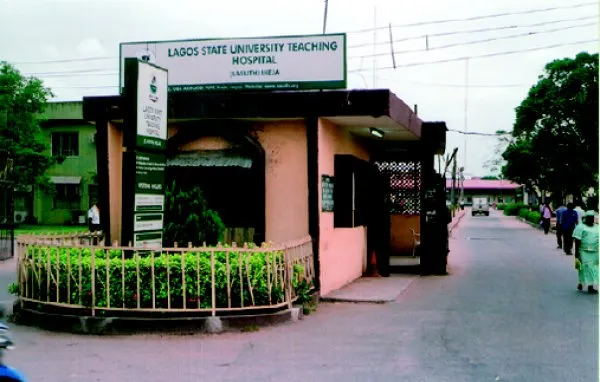
The Nigerian Association of Resident Doctors (NARD) has backed the ongoing strike by resident doctors at the Lagos State University Teaching Hospital (LASUTH).
NARD in a press release issued on 12 September and signed by its President, Mohammad Suleiman, called on Governor Babajide Sanwo-Olu and the Lagos State Ministry of Health to intervene.
NARD said it is in “full solidarity” with the Association of Resident Doctors, Lagos State University Teaching Hospital (LASUTH-ARD), and supported its demands.
It noted that the unresolved welfare concerns had disrupted medical services at the tertiary hospital.
It called on the state government to address the doctors’ grievances and “avert a prolonged crisis” that could affect healthcare delivery in Lagos.
Doctors’ demands
According to NARD, the unresolved issues include the non-payment of specialist allowance for Grade Level 14 resident doctors, also known as Senior Registrars 1 (SR1).
The association also cited outstanding salary shortfalls and advancement arrears, as well as 25 months of arrears arising from the delayed implementation of the revised Professional Allowance Table.
NARD further raised concerns about discrepancies in recent salary payments, calling for the immediate release of full salary breakdowns to ensure transparency.
The association said, the concerns persisted despite previous acknowledgements and agreements with the state government.
“Our colleagues at LASUTH have shown immense patience and dedication, but the persistent failure to honour agreements leaves them with no choice,” NARD said.
It urged the government to meet the demands and restore normal medical operations.
Background
The latest strike followed earlier disagreements between LASUTH resident doctors and the Lagos State government over welfare and remuneration.
LASUTH-ARD had embarked on a three-day warning strike from 15 to 17 June 2026, citing concerns including the implementation of the Professional Allowance Table, payment of specialist allowance to Grade Level 14 resident doctors, salary shortfalls and advancement arrears.
The doctors also demanded the resumption of construction of resident doctors’ quarters within LASUTH.
Following the warning strike, the doctors said several meetings were held with government officials, with assurances that the specialist allowance for SR1 doctors would be incorporated into the Professional Allowance Table.
LASUTH-ARD also said the issue was discussed with Governor Sanwo-Olu during a meeting on 17 July.
However, the doctors later said the specialist allowance was not reflected in the August salaries of affected members, prompting further disagreement with the government.
In August, LASUTH-ARD gave the Lagos State government a seven-day ultimatum to resolve the issues, warning that failure to do so could lead to further industrial action.
ALSO READ: NMA warns of wider health crisis as LASUTH doctors’ strike enters second day
The association demanded the implementation and payment of the specialist allowance, payment of outstanding arrears and settlement of salary shortfalls and advancement arrears.
NARD warns against escalation
NARD said the Lagos State government must treat the industrial action with urgency to prevent further escalation.
The association called on Governor Sanwo-Olu and the state Ministry of Health to intervene directly and resolve the outstanding issues.
It said continued delays could threaten patient care and stability in the state’s health system.
“NARD stands shoulder-to-shoulder with LASUTH-ARD until the issue is fully resolved,” the association said.
The doctors’ association urged the government to address the grievances and restore normal medical operations across the health system.
Discover more from Premium Times Nigeria
Subscribe to get the latest posts sent to your email.
-

 Business4 days ago
CBN disowns purported $46 billion grant approval
-
Business2 days ago
FG settles severance benefits for 2,100 former Nigeria Airways workers after two decades
-
News2 days ago
Revolut confirms customer data breach through fake government requests
-
News3 days ago
Mecka AI nears $500M valuation in Sequoia-led deal amid rush for robot training data