Education
NUGA on Hold as Dentistry Students Protest 10-Year Delay in Graduation Over Lack of Accreditation at UNIJOS

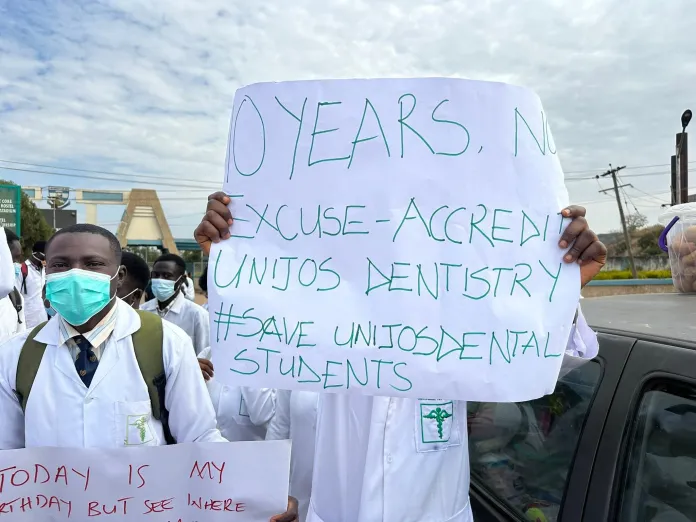
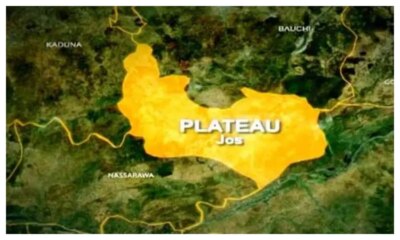
Academic and sporting activities at the University of Jos were disrupted on Wednesday as students of the Faculty of Dentistry staged a massive protest over the institution’s alleged failure to secure accreditation for their programme — a setback that has kept some of them in school for more than a decade without graduation.
The aggrieved students barricaded all entrances and exits to the campus, halting movement and affecting preparations for the ongoing Nigerian University Games (NUGA), which the university is hosting. They carried placards demanding immediate action and expressing anger over years of unfulfilled promises from management.

President of the Jos University Dental Students Association (JUDSA), Johnson Titus Bisani, told journalists that the prolonged delay had left many students frustrated and uncertain about their future.
“We have students who have spent 10 years in this school without graduation. The first set has been here for a decade now without accreditation,” Bisani said. “We’ve engaged management countless times, but all we get are repeated promises that accreditation is coming. The Vice Chancellor told us he would meet with the Medical and Dental Council and get back to us, but that never happened.”
He accused the university of giving conflicting information about the true status of the accreditation, saying “different stories come from the management and the council.”
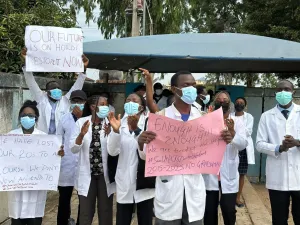
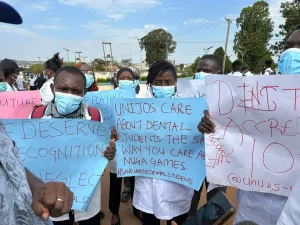
Bisani said the students would continue their protest until the Vice Chancellor, Prof. Ishaya Tanko, personally addresses them and provides definite timelines for accreditation and induction.
“We want a definite date for accreditation and also for the induction of the first, second, and third sets. We need a proper curriculum and clarity from the management. We will continue this protest until the university addresses us directly,” he insisted.
When asked about the potential impact on the ongoing NUGA Games, Bisani maintained that students’ welfare should take precedence.
“We have been here for 10 years. Our emotional and academic wellbeing should be a greater priority than any sporting event,” he said.
Another protesting student, Wike Pius, who was admitted in 2015 as part of the pioneer set, expressed deep disappointment with the institution’s handling of the programme.
“When we were admitted, we were assured that we wouldn’t spend a day longer than our MBBS colleagues. Today, our colleagues have graduated and moved on, while we remain here without any certainty,” he lamented.
Pius said despite multiple meetings with management, no concrete progress has been achieved.
“We’ve met the Provost, the Dean, and even the Vice Chancellor several times. They talk, make promises, but take no action. The biggest problem is that no one is telling us the truth. One day it’s about lack of dental chairs, the next day it’s about lecturers. We are tired of excuses,” he added.

The students also criticized the university for continuing to admit new candidates into the unaccredited programme.
“It’s wrong to blame the students,” Bisani said. “We were never told the course lacked accreditation. The university kept listing Dentistry as an option on its admission portal. If we had known, many of us would never have applied.”
As of press time, the university management had not released an official statement. Security personnel were seen at the campus gates trying to restore order, while NUGA delegations arriving for the games were temporarily stranded.
The protesting students vowed to sustain their demonstration until their demands are met, insisting they will not relent until the long-awaited accreditation becomes a reality.






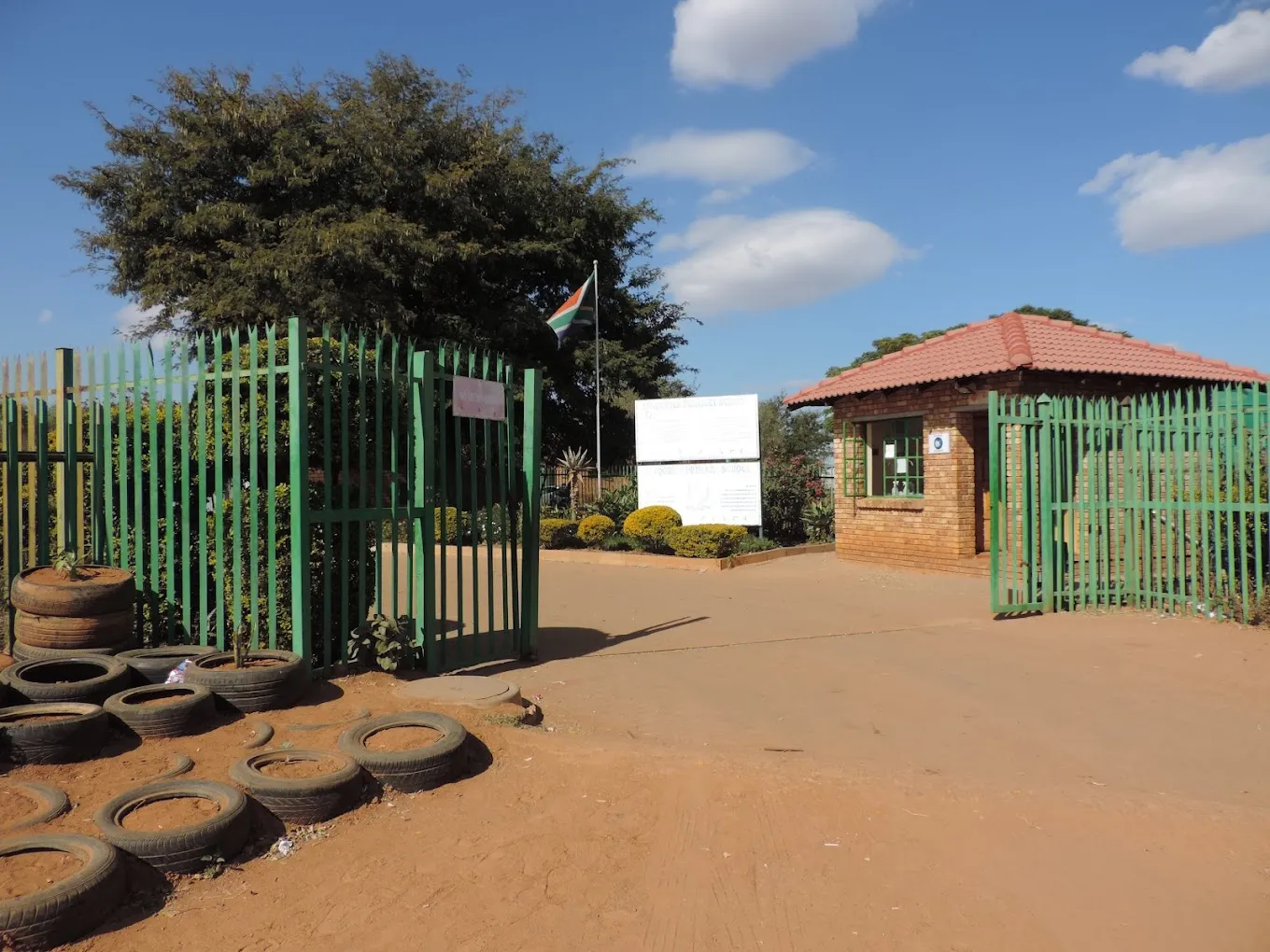
An 11-year-old pupil at Sinqobile Primary School in Soshanguve, South Africa, was allegedly dragged into a school toilet and forcibly circumcised by four older students during break time.
The Grade 5 pupil was reportedly attacked by four Grade 7 students, who allegedly pinned him down before one of them used a sharp blade to remove his foreskin.
The boy was also allegedly threatened with violence if he disclosed the incident to anyone.
According to his mother, the child returned home after the incident but initially refused to tell her what had happened. She later noticed that he was walking unusually and, days later, discovered that he was in severe pain.
The mother said her son eventually showed her his swollen private parts, prompting her to rush him to a doctor.
“He then showed me his swollen private parts and I rushed him to the doctor and it was then that we learned four pupils had circumcised him,” she said.

She said her son told her that the older boys had attacked him in the school toilets during break and threatened to beat him if he told anyone.
The mother subsequently opened a criminal case and refused to allow her son to return to school. Police later persuaded the boy to attend an identity parade, where he reportedly helped identify the four students.
South African Police Service spokesperson, Captain Tintswalo Sibeko, confirmed that a case of assault with intent to cause grievous bodily harm was being investigated.
“Our Family Violence, Child Protection and Sexual Offences Unit are investigating and no arrests have been made at this stage,” Sibeko said.
The Gauteng Department of Education also confirmed that the matter was under police investigation, while saying the school had not reported any similar circumcision attacks.
Deputy Principal George Mahlungu said the school was shocked by the incident.
“We are perplexed by what happened. This school is a place where a child should be safe,” he said.
The school has about 2,050 pupils between the ages of seven and 15.
A doctor who examined the boy reportedly said the procedure appeared to have been carried out in a manner similar to traditional tribal initiation practices. However, the doctor said a full diagnosis could not be made until the swelling subsided.
The boy’s mother said her son had become traumatised by the incident and was afraid to return to school.
Police investigations are ongoing, and no arrests had been made as of the latest report.
-

 News4 days ago
2027: El-Rufai’s detention could hurt APC, generate sympathy – SEDSAC director, other analysts express views
-
News3 days ago
Lucid Motors’ EV output falls to lowest level in almost 2 years
-
Business4 days ago
NAIPE 11th Annual Conference Moves to 12 Noon as 28 Stakeholders Back Event
-
News3 days ago
Mirror Particle is building a ‘world model’ of human behavior