News
Egypt Returnee Innocent Azuonye Loses Football Kit To Burglars At His Home In Orile-Iganmu Area Of Lagos

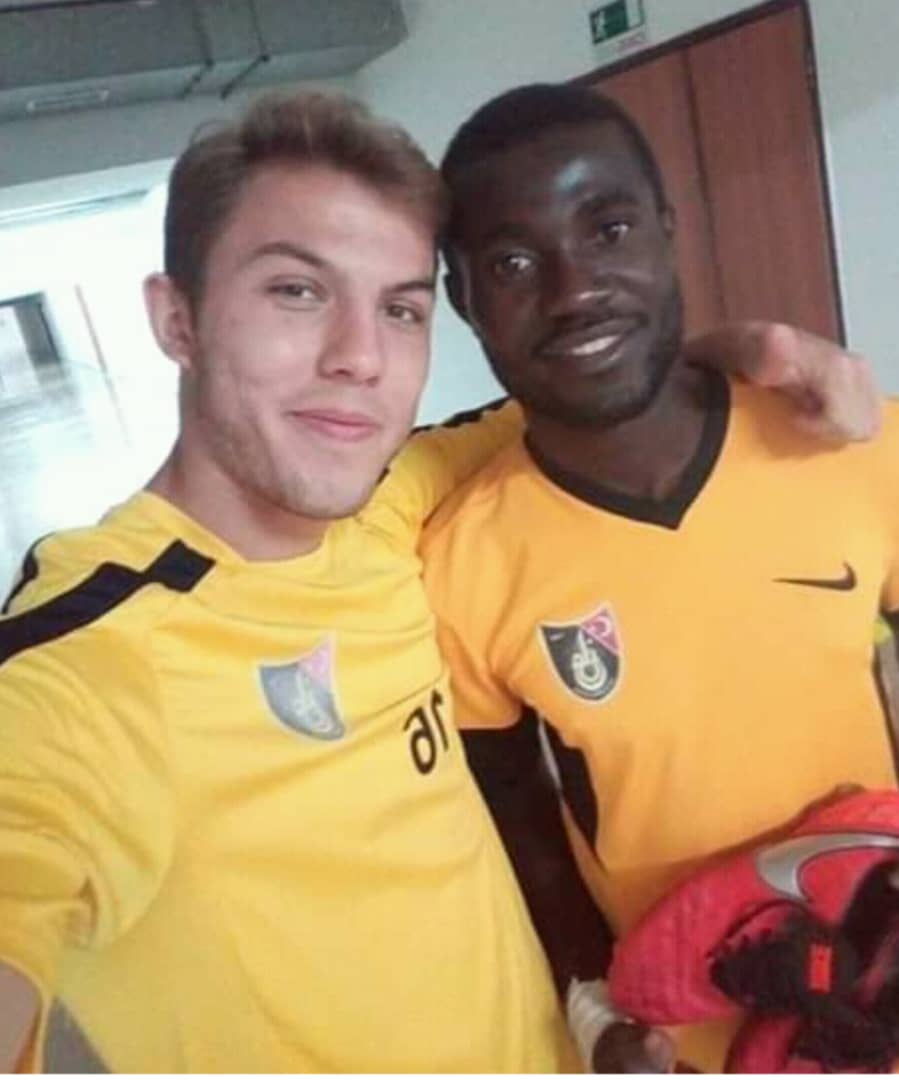
A former Egypt-based midfielder, Innocent Azuonye was reeling in a sea of tears at the weekened, after burglars invaded his home and made away with all his football kit, Sports247 reports.
READ ALSO: Olajide Olayinka Earns First Team All-American Honors After Outstanding Season with Texas Tech
The shock development, which occurred at his residence in Orile-Iganmu area of Lagos, is another major setback for Azuonye, who returned to Nigeria early this year, after an ill-fated sojourn in Egypt.
Although his days in The Land of The Pharaohs began on a bright note, with huge prospects ahead of him, it was soon spoilt by what he referred to as discrimination against him by officials of the club.
Azuonye alleged in an exclusive chat with Sports247 that the club in Egypt frustrated him, then withheld his international transfer certificate when he insisted on leaving, thereby making it impossible for him to sign for another club.
He then came close to dumping football, with a thought of turning to trading at one of the popular markets in Lagos, until friends prevailed on him to pick up his career once again from the grassroots.
He eventually dusted his boots after months of hesitation, but that move has now been hit with a huge blockade, following the theft of all kit he had been using in his spirited bid to get his career back on track as a free agent in this summer’s transfer window.
“I’m not really happy right now. Someone came to my house and stole my bag that all my kits are in. My boots, my socks, my two yellow jerseys and white playing pants.
“Even my shin guard, my bandage and my tights were taken by the thief. Now I am back to ground zero, like I was when I left Egypt,” Azuonye lamented.
The once-promising lad at White Sand Field, Orile-Iganmu also shot his mind back to the ugly experience he faced in Egypt and recalled that it was simply a case of ethnic bias that he faced from a coach who preferred using his indigenous players.
“I was playing for a club in Egypt, but they frustrated me and they did not like me. They said I should play out of my position and go to right-full-back in defence.
“My agent argued with them, and they agreed to let me stay. I got an offer in Togo, but they did not want me to go and refused to release me.
“I also refused to play for their team again, and that’s how I left them. I could not get another team because they did not release my transfer certificate. That’s how I returned to Nigeria.
“I could not get a club because they were all asking for my transfer certificate. That’s when I started thinking about going into business. I used to do some business before travelling and I started thinking about starting it again.
“I eventually decided to start playing grassroots football again, so that I will get a transfer this summer as a free agent, but see what those wicked thieves have done to me,” Azuonye whimpered.
Sports247 recalls that Azuonye made top marks some years back when he featured for the under-15 squad of National Grassroots Dream Team in a competition at Olusosun Primary School, Oregun, Lagos.
He and his colleagues were in sparkling form and reached the final of the competition on the same pitch where Galatasaray of Turkey striker, Victor Osimhen started his football journey.
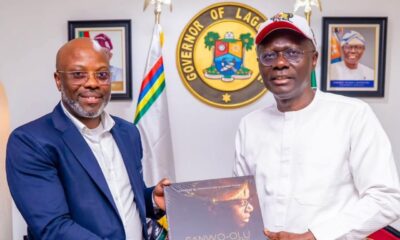


The management committee of Masjid Abdullahi Bin Zubbair in Madina Quarters, Bauchi State, has removed its Imam, Dahiru Abubakar.
The development followed allegations that he used sermons to campaign for President Bola Tinubu’s re-election in 2027.
This is even as the committee also rejected an alleged proposal by the Imam to rename the mosque after Tinubu.
According to Daily Trust, the Imam's removal was confirmed by Abubakar Jibrin, committee chairman.
Jibrin claimed that the Imam had repeatedly been warned against engaging in political activities within the mosque.
According to the report, the Imam had used sermons after obligatory prayers to defend Tinubu’s administration.
He was accused of telling worshippers that President Tinubu wasn't responsible for the country’s insecurity and deserved another term.
The committee decided to remove the Imam after he repeated the remarks following the early morning Subhi prayer on Sunday.
Jibrin said the committee’s concerns also included the Imam’s alleged practice of gathering people inside and in front of the mosque to discuss politics.
“We have warned him not once or twice but many times, but he didn’t heed our pleas,” Jibrin said. “We vehemently rejected the use of the mosque for political meetings.”
The Imam had also proposed to change the mosque’s name from Masjid Abdullahi Bin Zubbair to Masjid Imam Bola Ahmed Tinubu.
However, the committee rejected the proposal, insisting that the mosque belonged to the community and should retain its existing name.
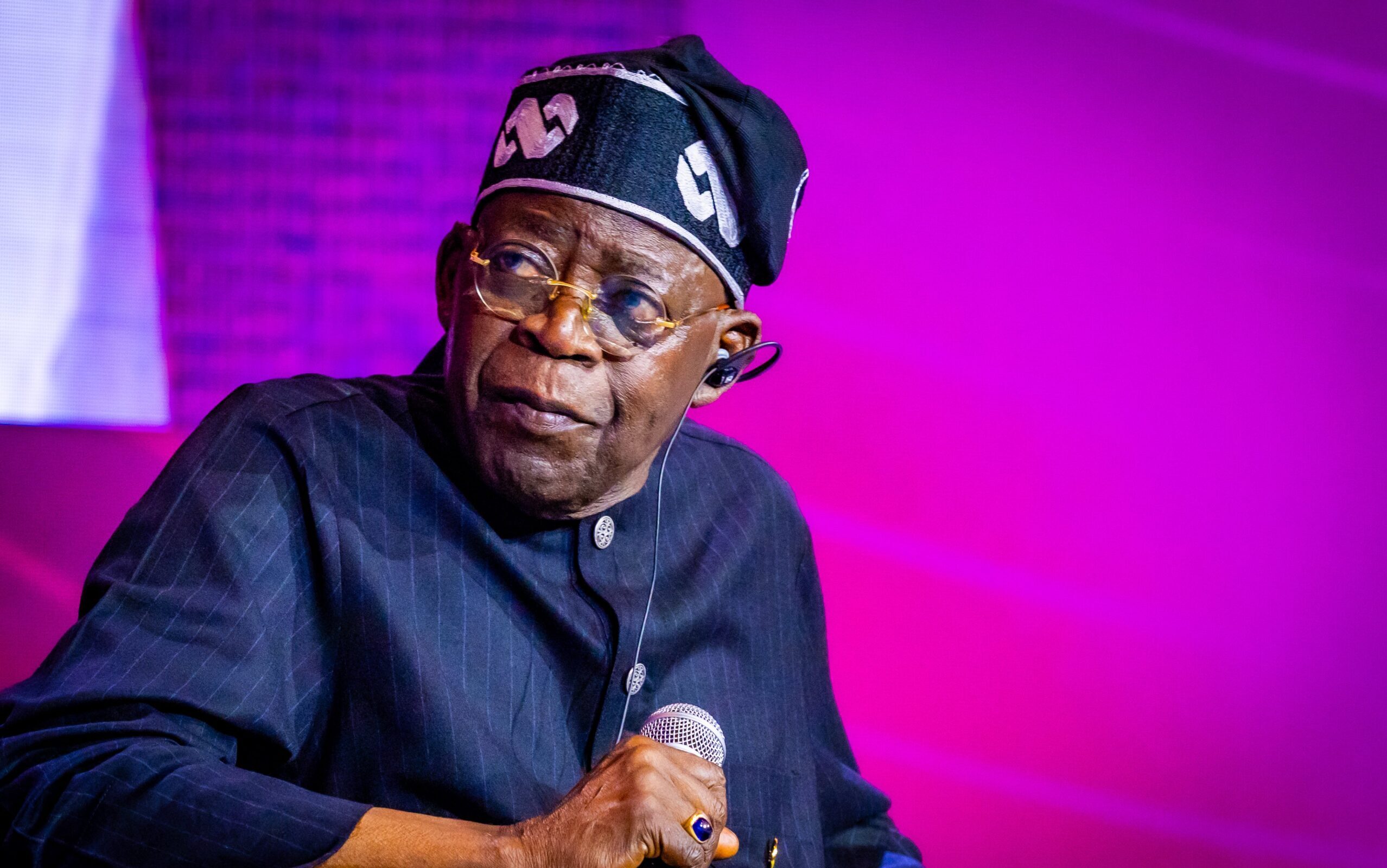
Following the confirmation of an Ebola case in Abuja, some Nigerians on X have linked the development to the federal government’s plans for the 2027 general elections, questioning the timing of the outbreak and its handling of the case.
The comments include claims that the government could use the disease as a pretext to restrict movement, affect political gatherings or influence voter turnout ahead of the elections.
The federal government on Tuesday confirmed that a woman who recently arrived in Nigeria on an international flight from Uganda tested positive for Ebola and is receiving treatment in isolation at a private hospital in the Federal Capital Territory (FCT).
Authorities said 44 close contacts had been identified, including healthcare workers, patients, caregivers and travel contacts, and are being monitored as part of efforts to prevent further transmission.
The announcement has triggered scepticism among some Nigerians online, with some questioning whether the case could be connected to political activities ahead of the 2027 elections.
One X user, @xikonex, claimed that the government could impose movement restrictions after Christmas, alleging that such measures could prevent Nigerians from travelling to their polling areas.


“APC and Bola Tinubu are planning to use Ebola to restrict Nigerians’ movement immediately after Christmas,” the user wrote, alleging that the aim would be to prevent people from voting.
Another user, @funnycrown6, urged Nigerians to remain vigilant ahead of the elections, saying: “Nigeria’s health must never become a tool for political propaganda. Our lives are not campaign strategies.”
@AnthonyOnyeGuy also questioned the timing of the development, writing: “Conveniently happening 2 months to a general election.”
Another user, @Franeb, similarly alleged that the government could impose restrictions under the guise of containing Ebola, writing that “Bola Tinubu wants to lock down Nigeria in the name of Ebola.”
Comparing 2014 response
Some Nigerians also compared the current response with Nigeria’s handling of the 2014 Ebola outbreak, when Liberian-American Patrick Sawyer became the country’s index case after arriving in Lagos.
@N6oflife6 wrote that Nigerians knew the identity of the 2014 index case and the hospital where he was treated, but claimed that the government had provided less information about the current patient.
“Ebola has happened under BAT. Two days now we don’t even know the name of the patient or who they have contacted,” the user wrote.
Similarly, @firstladyship referenced Sawyer and the late physician Stella Adadevoh, who died after contracting Ebola while treating him, arguing that the current response has left room for “guesses” and “speculations”.
However, the federal government has assured that it is taking measures to contain the infection and prevent community transmission.
The Coordinating Minister of Health and Social Welfare, Muhammad Pate, said authorities are currently treating the case as an imported infection rather than community transmission. The 44 identified contacts are being monitored for at least three weeks, while public health teams continue to identify people who may have been exposed.
The World Health Organisation (WHO) has also urged Nigerians to remain calm, saying that one imported case does not by itself mean Nigeria is experiencing an Ebola outbreak.
WHO Regional Director for Africa, Mohamed Janabi, said the organisation is supporting Nigeria with case investigation, contact tracing, laboratory testing, infection prevention and control, and protection of health workers and communities.
Lawmakers demand action
Amid public concern, the House of Representatives on Wednesday urged the federal government to release outstanding funds appropriated for health agencies, citing the need to strengthen surveillance, contact tracing, and emergency response.
Lawmakers also raised concerns about infection prevention supplies, health-worker preparedness and emergency response capacity. The Senate separately called for the immediate release of emergency funds from the Service Wide Vote and urged stronger health screening at airports and other entry points.
Nigeria successfully contained its 2014 Ebola outbreak and was declared free of transmission by WHO on 20 October 2014, after 42 days without a new case. The outbreak recorded 20 cases, including 19 laboratory-confirmed cases and one probable case, with eight deaths.
Discover more from Premium Times Nigeria
Subscribe to get the latest posts sent to your email.
-

 News4 days ago
Euromatch NPFL: Matchday 9 results
-
News4 days ago
No agenda, no rush, no leaving San Francisco: Benchmark’s partners on investing in a frenzied market
-
News3 days ago
Amazon to fund 12 small nuclear reactors at former Indiana coal plant
-
News3 days ago
Mamdani says feds have abdicated on AI, urges New Yorkers to push back