Health
Diphtheria deaths rise to 27 as suspected cases hit 303 in Plateau


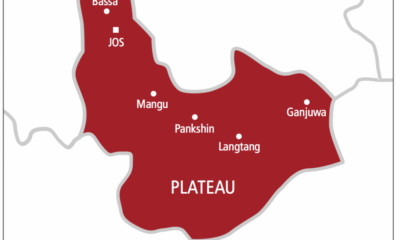
Twenty-seven people have died from a suspected diphtheria outbreak in Plateau State, while suspected cases have increased to 303, a state health official has said.
The State Epidemiologist, Maren Damulak, disclosed the figures while speaking with journalists in Jos on Wednesday.
He said most of the suspected cases were recorded in Jos North Local Government Area.
Mr Damulak said 99 per cent of the suspected cases were recorded in Jos North, with Rikkos community among the worst-affected areas.
“As of today, the cases have increased from 149 to 303. The death has also increased from 23 to 27. The high cases of the disease are in Jos North. Ninety-nine per cent of the cases are in Jos North,” he said.

He attributed a significant proportion of the cases to people who had not received diphtheria vaccination and said children constituted a substantial number of those affected.
“Most of the people that were affected were those that did not take diphtheria vaccine. Apart from Jos North, we also have few cases from other LGAs. Children account for a significant proportion of those affected,” he said.
Schools remain closed
The latest figures come days after the Plateau State Government ordered the temporary closure of all public and private primary and secondary schools across the state.
PREMIUM TIMES reported on September 5 that the government directed schools to close from Monday, September 7, following suspected diphtheria cases in Jos North, Jos South, Bassa and Wase local government areas.
The Commissioner for Information and Communication, Joyce Ramnap, said the measure was intended to prevent further transmission and protect pupils, students and teaching and non-teaching staff.
Schools that had already resumed academic activities were also directed to close and remain shut until further notice.
The government asked school proprietors, administrators, teachers, parents and guardians to comply with the directive and ensure that pupils and students remained at home while health authorities strengthened surveillance and response efforts.
Response intensified
The state government has also increased efforts to provide treatment and strengthen disease surveillance in affected communities.
Some patients are receiving treatment at the Jos University Teaching Hospital and Plateau State Specialist Hospital, where isolation facilities have been provided.
In Jos North, the local government council has deployed additional logistics, including motorcycles, to support contact tracing, field surveillance and community mobilisation.
Governor Caleb Mutfwang also directed the immediate mobilisation of drugs and other medical commodities to health facilities to support the response.
The Director-General of the Plateau State Drug and Medical Commodity Management Agency, Kim Bot, said government intervention was already ongoing at JUTH and PSSH and would be extended to other affected facilities.
Mr Bot said the state government responded after receiving reports of the outbreak and was working to ensure that affected health facilities received the necessary medical supplies.
READ ALSO: Plateau buses make face masks compulsory as diphtheria outbreak worsens
Meanwhile, the Chairman of Jos North Local Government, John Christopher, has urged residents to maintain personal and environmental hygiene to reduce the spread of the disease.
Mr Christopher made the call on Wednesday during an assessment of affected communities and a visit to suspected patients receiving treatment at the Primary Healthcare Clinic in Abba Na Shehu Ward.
The rising figures come amid continued efforts by health authorities to contain the outbreak, increase surveillance and encourage residents to seek prompt medical attention and vaccination.
Discover more from Premium Times Nigeria
Subscribe to get the latest posts sent to your email.







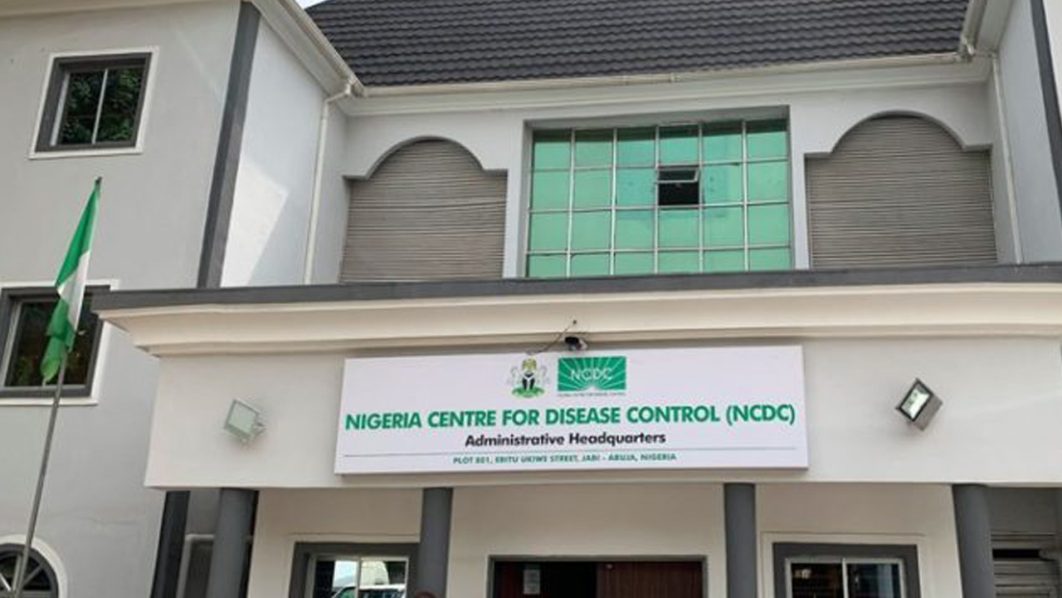
The Nigeria Centre for Disease Control and Prevention (NCDC) has identified delays in seeking care, healthcare worker infections and gaps in the functionality of health facilities as key challenges that could undermine Nigeria’s preparedness for the 2026/2027 Lassa fever season.
The health agency’s Director-General, Jide Idris, disclosed this in an advisory issued on Wednesday ahead of the peak Lassa fever season, which usually occurs between November and April.
Mr Idris said although Lassa fever occurs throughout the year, the period before the peak season provides an opportunity for the government, health facilities and communities to strengthen preparedness before cases increase.
Lessons from 2026 response
According to him, an After Action Review conducted following the 2026 Lassa fever response identified several gaps requiring urgent attention.
These include delays in seeking appropriate care, self-treatment and patients visiting multiple healthcare providers before Lassa fever is suspected.
Mr Idris also identified continued infections among healthcare workers, particularly when health facilities are under pressure, as well as environmental and household risks linked to poor sanitation, unsafe food storage and exposure to rodents.
He said the review also found limited state ownership and over-reliance on national resources, alongside delays in releasing resources required for preparedness.
Another concern, according to the Mr Idris, was the gap between capacity available “on paper” and what is actually functional.
“For example, having a dialysis machine does not mean dialysis is available if the trained personnel, consumables, water treatment, maintenance and other requirements needed to operate it are not in place,” he said.
Mr Idris said the lessons showed the need to strengthen the entire pathway from prevention and early detection to diagnosis, referral and treatment.
Readiness plan
To address the gaps, Mr Idris said the NCDC had developed an Accelerated Readiness Plan to guide preparedness activities before the peak season.
He said the plan would be implemented nationwide, with additional attention and resources directed to areas where available evidence shows that the burden and risk are highest.
The priorities include earlier detection and reporting of cases, improved environmental sanitation and waste management, safer food storage and handling, and reducing exposure to rodents.
The NCDC will also work to ensure that healthcare providers recognise suspected Lassa fever cases early, protect themselves, report cases and refer patients appropriately.
Mr Idris said the agency would strengthen the transportation and testing of samples, ensure results are returned promptly, and take coordinated action around confirmed cases involving surveillance, environmental health, community engagement, food safety and infection prevention.
He said infection prevention and control measures would be intensified in high-risk facilities through strategies including the IPC Ring Strategy.
In addition, treatment centres will also be supported to ensure they are ready to receive and manage patients, while essential medicines, laboratory supplies and protective equipment are available where needed.
“Think Lassa. Protect. Report. Refer,” Mr Idris urged healthcare workers, adding that every healthcare worker infection should be investigated and lessons from such infections used to prevent further transmission.
Nigerians urged to prepare
Mr Idris urged Nigerians to take practical steps to reduce their risk of infection before the peak season.
He advised households to store food such as rice, garri, beans and maize in properly covered containers and avoid drying food on bare ground or anywhere rodents can contaminate it.
He also urged people to block openings through which rodents can enter homes, reduce clutter, dispose of refuse properly and avoid unnecessary contact with rodents, their urine, faeces and other body fluids.
He advised Nigerians with fever or other symptoms, particularly those living in or who have travelled to areas where Lassa fever occurs, to seek medical attention promptly.
“If you have treated what you believe to be malaria and your symptoms persist, please do not continue treating yourself at home. Seek appropriate medical attention,” he said.
The NCDC, he noted, will also intensify its “Turn a Community Orange” (TACO) approach in selected high-risk communities to promote preventive practices, preparedness and early reporting and referral.
States, LGs asked to act early
Speaking on collective action, Mr Jide called on state and local governments, particularly those with recurrent Lassa fever transmission, to strengthen preparedness before cases increase.
He urged them to improve environmental sanitation and waste management, engage Environmental Health Officers and community structures, and ensure that health facilities can recognise suspected cases, protect healthcare workers, report promptly and refer appropriately.
States were also asked to ensure functional surveillance systems, clear laboratory referral pathways and ready treatment centres, while making essential medicines, laboratory supplies and infection prevention commodities available before the health system comes under pressure.
Support
Mr Idris said the NCDC would continue to support research into changing patterns of Lassa fever transmission, including whether rodents other than Mastomys species may contribute to transmission and the role of asymptomatic infection.
READ ALSO: Lassa Fever: 53 health workers infected as cases hit 1,000 in 2026
He said genomic sequencing would be used to better understand these patterns, while the agency would continue supporting efforts towards developing candidate Lassa fever vaccines and rapid diagnostic tests.
Mr Idris stressed that Lassa fever prevention and control required collaboration among the health, environment, agriculture, livestock and local government sectors, as well as communities and partners.
“We have an opportunity to act before transmission increases. We should not wait for cases to rise before we act. The time to prepare is now,” he said.
Lassa fever
Lassa fever is an acute viral haemorrhagic illness caused by the Lassa virus, which is transmitted to humans primarily through contact with food or household items contaminated by the urine or faeces of infected rats.
It can also spread from person to person through contact with bodily fluids.
The disease often begins with fever, weakness, and headache, and may progress to more severe symptoms such as bleeding, difficulty breathing, swelling, and organ failure.
Early diagnosis and prompt treatment with Ribavirin are critical for improving survival.
Discover more from Premium Times Nigeria
Subscribe to get the latest posts sent to your email.

The federal government has called for stronger action to transform harmful gender norms that contribute to early pregnancy, violence, exclusion and poor health outcomes among adolescents in Nigeria.
The Minister of State for Health and Social Welfare, Iziaq Salako, made the call on Wednesday in Abuja at the 2026 Gender and Inclusion Summit organised by the Policy Innovation Centre (PIC) in collaboration with the Nigerian Economic Summit Group (NESG).
The summit, themed “From Agenda to Action: Making Innovations Count for the Last Mile,” focused on translating policies and innovations into tangible outcomes, particularly for underserved and vulnerable populations.
Delivering his speech, Mr Salako said gender norms shape how adolescents behave, access healthcare and education, express themselves and participate in society.
He said rigid social expectations based on misconceptions and unfair practices often limit adolescents’ opportunities and expose them to discrimination and other vulnerabilities.
According to him, harmful gender norms can reinforce discrimination, violence, early pregnancy, exclusion, and poor health outcomes.
“Transforming gender norms, therefore, matters because we must address norms that limit access to healthcare, safety, education and the ability to earn and make decisions,” he said.
Measures
Mr Salako said the federal government had made progress in strengthening adolescent health and advancing gender equality through policies, programmes and interventions.
He said the government had increased the visibility of adolescent health programmes, expanded access to adolescent sexual and reproductive health services, and strengthened the policy framework to address the health needs of young people.
The minister listed services covering family planning, sexually transmitted infections and HIV prevention, counselling and other sexual and reproductive health needs.
He said the Federal Ministry of Health and Social Welfare had also developed the National Sexual and Reproductive Health Policy 2025–2030.
According to him, the ministry has integrated gender and adolescent health through a dedicated Gender and Adolescent Programmes and Adolescent Health Department under its Family Health Department.
He said the arrangement would provide a platform for addressing gender related barriers to healthcare, gender based vulnerabilities and the different health needs of adolescents and young people.
Mr Salako also cited the National Adolescent Health Policy, the National Gender and Health Policy, guidelines on healthcare for survivors of gender-based violence, and training programmes for healthcare providers as part of the government’s efforts to improve adolescent health.
He said the Adolescent Health Development and Coordination Committee serves as a platform for coordinating interventions and reviewing adolescent health programmes.
HPV vaccination, reproductive health interventions
The minister said the government had also launched a national Human Papillomavirus (HPV) vaccination campaign targeting more than 40 million adolescents nationwide.
He said the government was continuing efforts to sustain the campaign and ensure that eligible adolescents were reached.
Mr Salako also said the Strengthening Access to Reproductive Health by Adolescent Health Project was being implemented in Sokoto and Adamawa states, with lessons from the intervention expected to inform its expansion.
In addition, he said the government was working with stakeholders to strengthen the capacity of institutions and service providers involved in adolescent health.
READ ALSO: PT Health Watch: Common cancer risk factors that should not be ignored
Study to guide policy
Mr Salako said the findings of a new study on gender norms, attitudes, health and well-being would provide evidence to guide government policies and programmes.
He said the study would provide nationally representative data on the social and gender norms influencing the behaviour and health outcomes of adolescents in Nigeria.
According to him, the study examined issues including child, early and forced marriage, gender based violence, sexual and reproductive health, HPV vaccination and women’s economic empowerment.
He said the evidence would be useful in shaping interventions across sectors, including health, education, social protection and economic empowerment.
“Evidence produced will be instrumental in informing policy formulation, programming and financing across sectors, including health, education, social protection and economic empowerment,” he said.
The minister said the government would continue to prioritise adolescent health while working with stakeholders to ensure that policies and innovations reached the people who needed them most.
He urged participants at the summit to use the evidence generated from the study to strengthen interventions and close gender and generational gaps affecting adolescents and young people in Nigeria.
Discover more from Premium Times Nigeria
Subscribe to get the latest posts sent to your email.
-

 News2 days ago
Hackers are stealing Claude tokens from subscribers
-
Business2 days ago
Tinubu urges banks to turn recapitalisation into jobs, production
-
News3 days ago
Govt steps up data protection scrutiny across e-commerce sector
-
Health3 days ago
Diphtheria: Jos North steps up surveillance as Plateau intensifies response