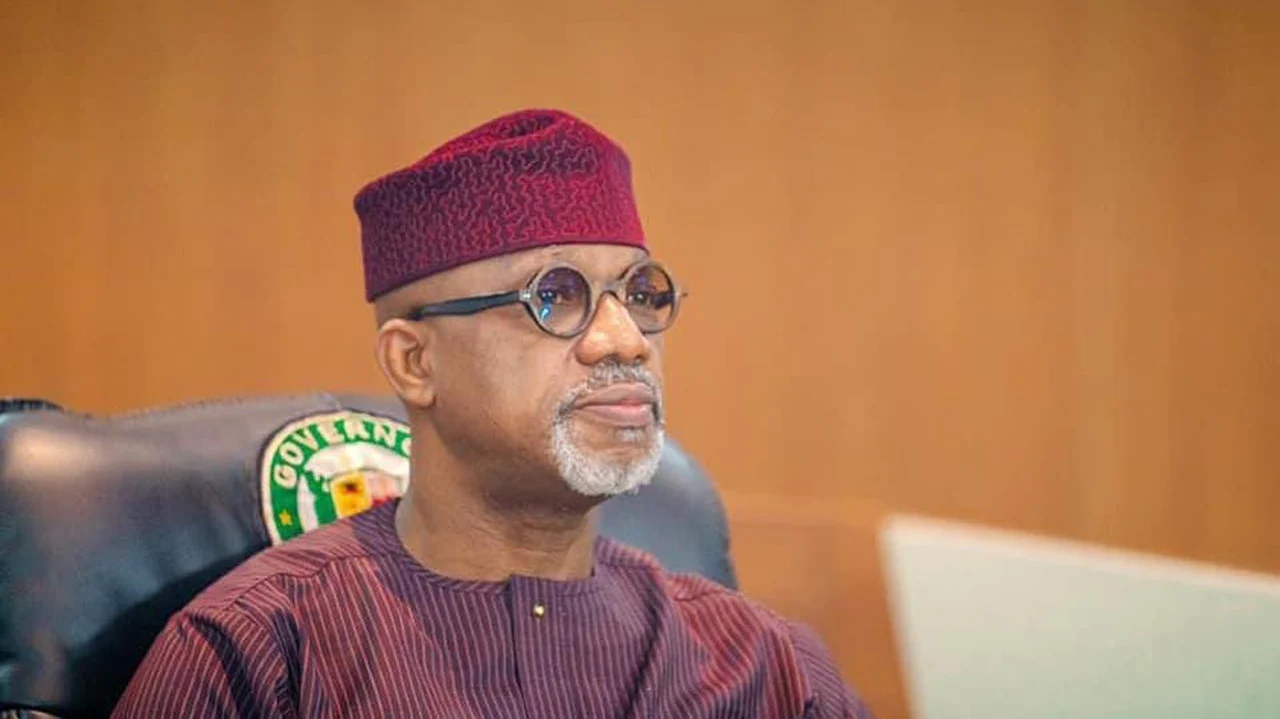
Ogun State Governor, Dapo Abiodun, has warned security operatives not to become catalysts for violence in the 2027 general elections, stressing that they remain a critical component of democracy.
Abiodun gave the warning on Tuesday at a two-day workshop on election security, the law, stakeholders and the media organised by the Ogun State Police Command in collaboration with Development Communication Research Centre Ltd/Gte.
The governor, who was represented by his Special Adviser on Security, AIG Olusola Subair (rted), said the workshop was necessary to equip officers with knowledge of what to do before, during and after elections, noting that election outcomes are sometimes determined by police reports.
“We all need to know that police is a very important component of democracy, and without security, there can be no democracy. That is why the responsibility and the roles to be played by the police is very key in electoral process,” he added.
Abiodun cautioned officers against actions that could trigger violence, urging them to leverage the training to ensure peaceful polls in Ogun State.
“We want you to be professional in the conduct of this election, in how you are going to manage and secure this particular election. I want to equally enjoin you that you do not make yourself a catalyst for violence during this election, when you do your work professionally, then people will commend you,” Abiodun stated.
The governor also commended the collaboration among security agencies in the state, which he said has contributed to the peace being experienced, and urged them to remain visible and do what is needful during the elections.
In his welcome address, the State Commissioner of Police, Bode Ojajuni, noted that election security is a shared responsibility, arguing that while security agencies have statutory responsibilities for maintaining public order, the success of those responsibilities depends on the conduct and cooperation of all stakeholders.
He urged political parties, candidates and their supporters to reject violence, intimidation, thuggery, destruction of property and attacks on electoral personnel or facilities.
“Political parties and their supporters must respect the law, election officials must discharge their responsibilities professionally and impartially. Observers and monitors must operate within the limits of their mandates and the media must provide accurate, balanced and responsible information,” he said.
The commissioner of police also appealed to journalists to maintain the highest standards of accuracy, verification, balance and responsible reporting, particularly when dealing with security incidents, allegations of electoral malpractice and other sensitive electoral matters.
Ojajuni reiterated the Force’s commitment to providing a secure environment in which citizens can freely exercise their constitutional right to vote, adding that they will remain professional, impartial and non-partisan.
“We shall remain proactive in identifying threats, responsive to incidents and firm against criminality, while respecting the fundamental rights of citizens. We shall not allow criminal elements to exploit the electoral process to cause violence or undermine public safety,” Ojajuni added.
Delivering his paper, a professional and integrated communication expert, Prof Fassy Yusuf, noted that the success of the 2027 general election in Ogun State depends on how effectively the police leads, coordinates, and partners with state agencies, electoral authorities and civil societies.
Yusuf argued that while INEC is committed to conducting free, fair, credible and inclusive elections, security agencies must secure electoral process with the people and not against them.
Earlier in his address, Bolu Folayan said the workshop was organised to ensure peaceful and credible 2027 general elections in Ogun State, noting that elections do not fail due to lack of laws but failure to understand roles under the law.













 News4 days ago