Connect with us

News

Pope Leo warns of increasing ‘globalisation of indifference’ amid killings in Nigeria, Middle East


info

Published

on

WhatsApp Image 2025 11 16 at 23.10.40.jpeg

Pope Leo XIV has warned of a growing ‘globalisation of indifference’ in the face of persistent killings and conflicts across the world.

Delivering his Easter Sunday “Urbi et Orbi” blessing to the pilgrims gathered in St Peter’s Square, Pope Leo lamented that the international community was becoming dangerously desensitised to human suffering with the “growing accustomed to violence.”

“We are growing accustomed to violence, resigning ourselves to it, and becoming indifferent. Indifferent to the deaths of thousands of people.

“Indifferent to the repercussions of hatred and division that conflicts sow. Indifferent to the economic and social consequences they produce, which we all feel,” he said.

Borrowing a phrase from the late Pope Francis, Pope Leo added, “There is an ever-increasing “globalization of indifference,”

He explained that the late Pope Francis reminded the world of “What a great thirst for death, for killing, we witness each day in the many conflicts raging in different parts of the world!.”

According to him, the Easter message, which marks the celebration of the resurrection of Jesus Christ, centres on hope, peace, and the triumph of life over death.

Pope Leo stressed that Christ’s resurrection represents a victory achieved not through violence, but through love, sacrifice, and forgiveness.

Referencing the worsening state of global conflicts, the Pope cautioned that indifference has become widespread, echoing concerns previously raised by Pope Francis about a world increasingly tolerant of bloodshed.

He called on world leaders to abandon war and embrace dialogue, insisting that true peace cannot be imposed by force.

“In the light of Easter, let us allow ourselves to be amazed by Christ! Let us allow our hearts to be transformed by his immense love for us! Let those who have weapons lay them down! Let those who have the power to unleash wars choose peace! Not a peace imposed by force, but through dialogue! Not with the desire to dominate others, but to encounter them!,” he added.

The pontiff also urged individuals and nations to confront the moral consequences of violence, warning against turning away from the reality of death and suffering.

Pope Leo announced a global prayer vigil for peace on April 11 at Saint Peter’s Basilica, inviting people of all faiths to join in seeking an end to wars and divisions.

He advised the faithful to embrace the message of Easter by rejecting hatred and opening their hearts to reconciliation, noting that lasting peace begins with inner transformation.

The Pope’s message came amid the U.S. Israel-Iran war and killings in Nigeria’s North East and North Central, including the recent murder of over 20 residents of Gari Ya Waye community in the Jos North area of Plateau State by terrorists.

Continue Reading
Click to comment

Leave a Reply

Your email address will not be published. Required fields are marked *

Health

Lassa fever: NCDC identifies preparedness gaps, unveils readiness plan ahead of peak season

info

Published

on

By

NCDC 5 1062x598 1.jpg

MTN ADVERT

The Nigeria Centre for Disease Control and Prevention (NCDC) has identified delays in seeking care, healthcare worker infections and gaps in the functionality of health facilities as key challenges that could undermine Nigeria’s preparedness for the 2026/2027 Lassa fever season.

The health agency’s Director-General, Jide Idris, disclosed this in an advisory issued on Wednesday ahead of the peak Lassa fever season, which usually occurs between November and April.

Mr Idris said although Lassa fever occurs throughout the year, the period before the peak season provides an opportunity for the government, health facilities and communities to strengthen preparedness before cases increase.

Lessons from 2026 response

According to him, an After Action Review conducted following the 2026 Lassa fever response identified several gaps requiring urgent attention.

These include delays in seeking appropriate care, self-treatment and patients visiting multiple healthcare providers before Lassa fever is suspected.

PT WHATSAPP CHANNEL

Mr Idris also identified continued infections among healthcare workers, particularly when health facilities are under pressure, as well as environmental and household risks linked to poor sanitation, unsafe food storage and exposure to rodents.

He said the review also found limited state ownership and over-reliance on national resources, alongside delays in releasing resources required for preparedness.

Another concern, according to the Mr Idris, was the gap between capacity available “on paper” and what is actually functional.

“For example, having a dialysis machine does not mean dialysis is available if the trained personnel, consumables, water treatment, maintenance and other requirements needed to operate it are not in place,” he said.

Mr Idris said the lessons showed the need to strengthen the entire pathway from prevention and early detection to diagnosis, referral and treatment.

Readiness plan

To address the gaps, Mr Idris said the NCDC had developed an Accelerated Readiness Plan to guide preparedness activities before the peak season.

He said the plan would be implemented nationwide, with additional attention and resources directed to areas where available evidence shows that the burden and risk are highest.

The priorities include earlier detection and reporting of cases, improved environmental sanitation and waste management, safer food storage and handling, and reducing exposure to rodents.

The NCDC will also work to ensure that healthcare providers recognise suspected Lassa fever cases early, protect themselves, report cases and refer patients appropriately.

Mr Idris said the agency would strengthen the transportation and testing of samples, ensure results are returned promptly, and take coordinated action around confirmed cases involving surveillance, environmental health, community engagement, food safety and infection prevention.

He said infection prevention and control measures would be intensified in high-risk facilities through strategies including the IPC Ring Strategy.

In addition, treatment centres will also be supported to ensure they are ready to receive and manage patients, while essential medicines, laboratory supplies and protective equipment are available where needed.

“Think Lassa. Protect. Report. Refer,” Mr Idris urged healthcare workers, adding that every healthcare worker infection should be investigated and lessons from such infections used to prevent further transmission.

Nigerians urged to prepare

Mr Idris urged Nigerians to take practical steps to reduce their risk of infection before the peak season.

He advised households to store food such as rice, garri, beans and maize in properly covered containers and avoid drying food on bare ground or anywhere rodents can contaminate it.

He also urged people to block openings through which rodents can enter homes, reduce clutter, dispose of refuse properly and avoid unnecessary contact with rodents, their urine, faeces and other body fluids.

He advised Nigerians with fever or other symptoms, particularly those living in or who have travelled to areas where Lassa fever occurs, to seek medical attention promptly.

“If you have treated what you believe to be malaria and your symptoms persist, please do not continue treating yourself at home. Seek appropriate medical attention,” he said.

The NCDC, he noted, will also intensify its “Turn a Community Orange” (TACO) approach in selected high-risk communities to promote preventive practices, preparedness and early reporting and referral.

States, LGs asked to act early

Speaking on collective action, Mr Jide called on state and local governments, particularly those with recurrent Lassa fever transmission, to strengthen preparedness before cases increase.

He urged them to improve environmental sanitation and waste management, engage Environmental Health Officers and community structures, and ensure that health facilities can recognise suspected cases, protect healthcare workers, report promptly and refer appropriately.

States were also asked to ensure functional surveillance systems, clear laboratory referral pathways and ready treatment centres, while making essential medicines, laboratory supplies and infection prevention commodities available before the health system comes under pressure.

Support

Mr Idris said the NCDC would continue to support research into changing patterns of Lassa fever transmission, including whether rodents other than Mastomys species may contribute to transmission and the role of asymptomatic infection.

READ ALSO: Lassa Fever: 53 health workers infected as cases hit 1,000 in 2026

He said genomic sequencing would be used to better understand these patterns, while the agency would continue supporting efforts towards developing candidate Lassa fever vaccines and rapid diagnostic tests.

Mr Idris stressed that Lassa fever prevention and control required collaboration among the health, environment, agriculture, livestock and local government sectors, as well as communities and partners.

“We have an opportunity to act before transmission increases. We should not wait for cases to rise before we act. The time to prepare is now,” he said.

Lassa fever

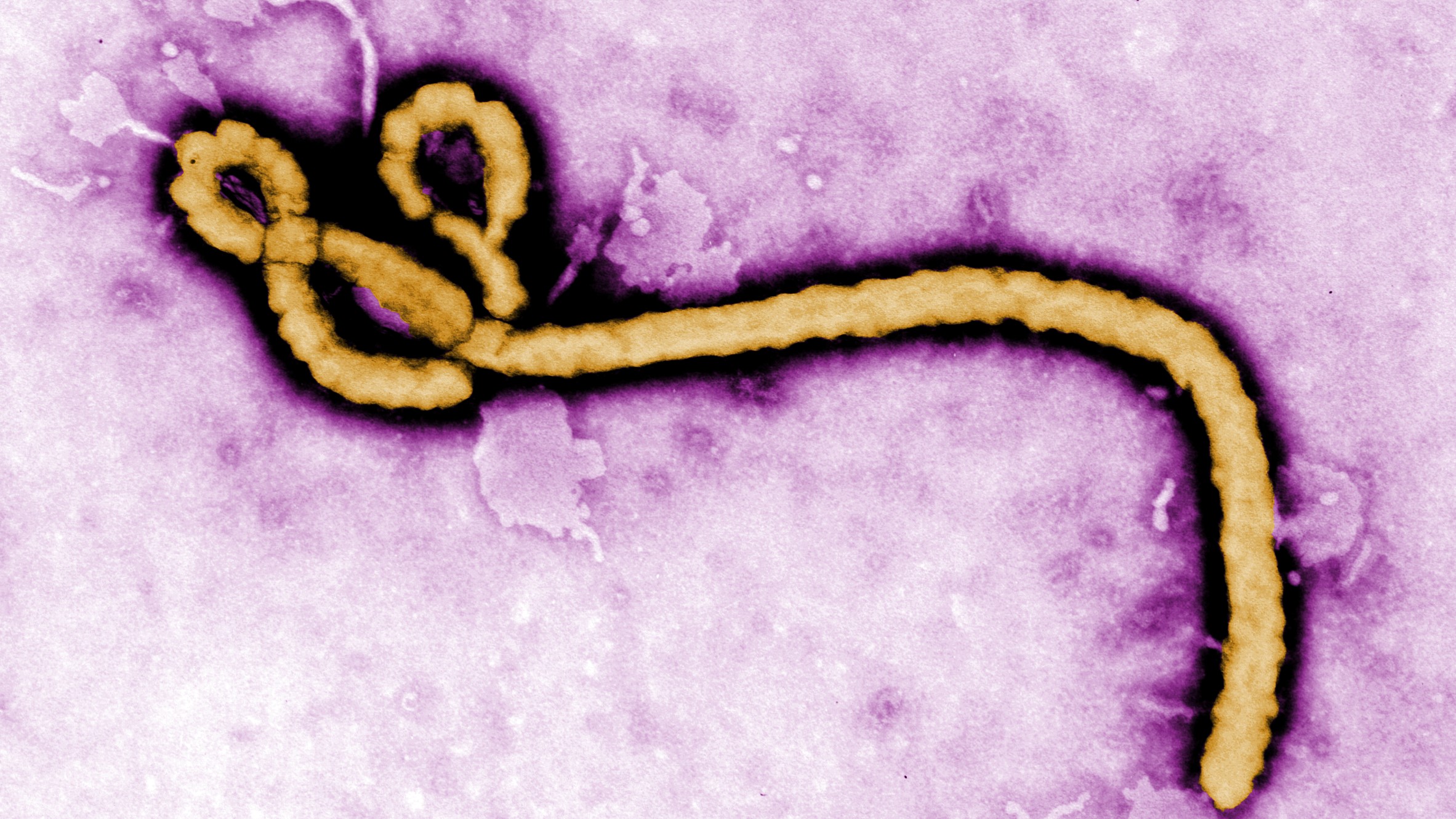
Lassa fever is an acute viral haemorrhagic illness caused by the Lassa virus, which is transmitted to humans primarily through contact with food or household items contaminated by the urine or faeces of infected rats.

It can also spread from person to person through contact with bodily fluids.

The disease often begins with fever, weakness, and headache, and may progress to more severe symptoms such as bleeding, difficulty breathing, swelling, and organ failure.

Early diagnosis and prompt treatment with Ribavirin are critical for improving survival.


Discover more from Premium Times Nigeria

Subscribe to get the latest posts sent to your email.

Continue Reading

News

Nigeria’s Junior Handball Team ‘Show Character’ To Defeat Guinea In African U20 Championship Quarter-finals Battle

info

Published

on

By

IMG 20260909 WA0029.jpg

Nigeria’s handball youth national team ‘showed character’ worthy of gold medals in their victory over Guinea on Wednesday at the African qualifiers and pick a slot to the 2027 IHF Men’s U21 World Championship.

Sports247 reports that coach of the side, David Emmanuel was excited with the efforts of his lads, as the victory also saw them pick a spot in the semi-finals of the 33rd Africa Men’s Junior Handball Championship.

Read Also: “An Unprecedented Gesture” — D’Tigress Hail Tinubu as Presidential Rewards Finally Arrive

Coach Emmanuel was beaming with delight in Abidjan, Cote d’Ivoire, following his side’s 28-23 victory over the Guineans in Wednesday’s last-eight encounter and praised them for making their country proud.

He stated afterwards that the boys gave a very solid performance to secure the five-goal victory and they will in the semi-finals face Tunisia, who defeated Democratic Republic of Congo 36-20.

Though they have already confirmed their place at the 2027 IHF Men’s U21 Handball World Championship in North Macedonia, Emmanuel said his team will not relax just yet, as they aim to reach the final in Abidjan and win the ongoing championship.

He acknowledged further that their qualification for ther world championship is the fourth time Nigeria will get there, after 1981 in Portugal where they finished 14th, 1985 in Italy, finishing 16th, and 2019 placed 19th in Spain.

Emmanuel added that everyone in the team is pleased that they have achieved their first aim of qualifying for the world championship and assured that they will remain focused on winning the African qualifiers.

“We are happy with the victory and, most importantly, the qualification for the World Championship. The boys showed character and discipline against Guinea.

“Now we have to recover, study our next opponent, which is Tunisia, and prepare properly for the semi-final. We know it will be a difficult game, but we are ready for the challenge.

“We aim to win the Africa Nations Championship,” Emmanuel submitted, even as he went about patting each of hhis players on the back for their sterling efforts during Wednesday’s crunch encounter with Guinea.

Sports247 reports further that the Nigerian youngsters will hope to continue their impressive run in the semi-finals, as they seek a place in the final and win the trophy this weekend.

Continue Reading

Trending