News
Police shoot gunman dead in Plateau, recover gun







The G-100 Coalition says opposition parties seeking to unite against President Bola Tinubu in the 2027 presidential election may unveil a single candidate just days or weeks before the poll.
The convener of the group, Salihu Lukman, disclosed this during an appearance on Channels Television’s Hard Copy programme.
Lukman, a former National Vice Chairman of the APC, said opposition parties were committed to picking a consensus candidate.
“I can tell you categorically, and my confidence about that comes from what I see in the leadership of the parties: they are committed and they are working, taking all the steps necessary.
“So it could be two months, some weeks to the election, or a few days to the election; they will come out and tell Nigerians this is the direction, and everybody will queue,” Lukman said.
The G-100 was set up to encourage opposition parties to rally behind one presidential candidate who could challenge the ruling APC in 2027.
The move followed an all-opposition summit held in Ibadan in April, where participants agreed to pursue a consensus candidate.
According to Lukman, the process has expanded beyond the six political parties that initially signed on, with efforts underway to bring more parties into the alliance.
He explained that political parties and their presidential candidates had taken over the process from the G-100 and were now negotiating directly to build the trust needed to reach an agreement.
“When the parties owned the process we had started and took it beyond, took it out of our hands and began to engage each other based on the need to develop the kind of confidence they need to trust one another,” Lukman said.
He said the lack of trust among opposition parties and their presidential candidates remained one of the biggest obstacles to forming a united front ahead of the 2027 election.
Lukman said a summit held on August 31 agreed to establish five working groups to handle different aspects of the proposed alliance, including the selection of a single presidential candidate.
According to him, each participating party would nominate members to the relevant working group through its presidential candidate or party leadership, and the representatives would operate under agreed terms of reference.
2027: G-100 coalition reveals when opposition will pick single candidate to face Tinubu
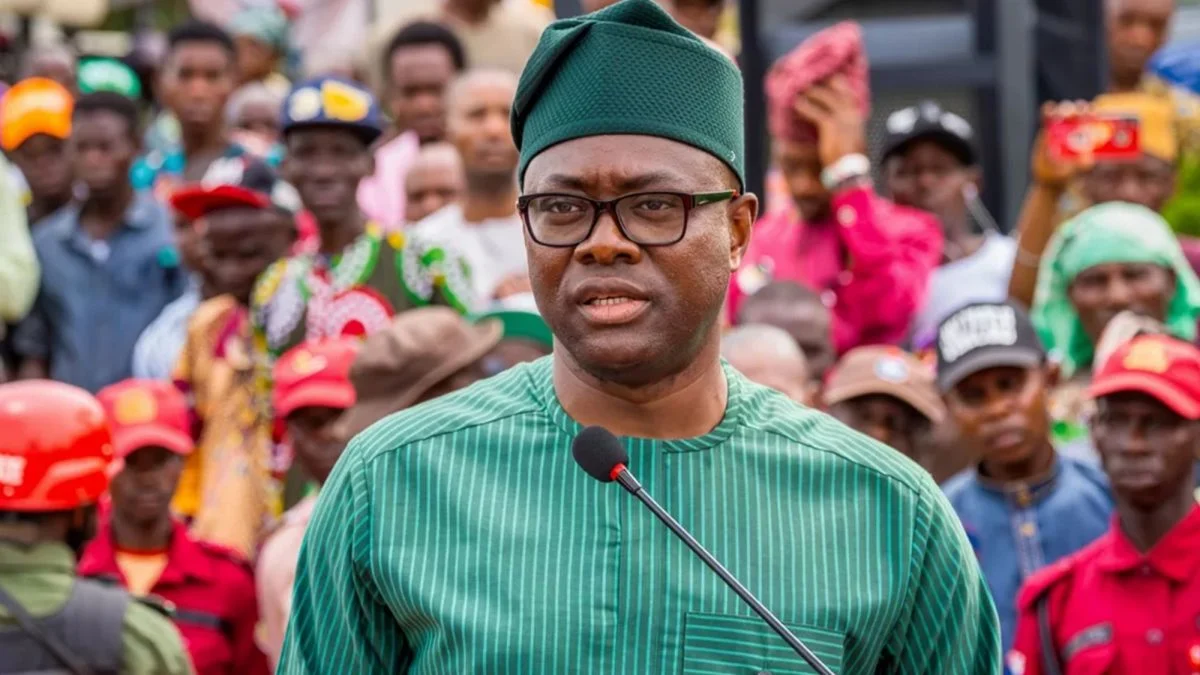
The camp of Seyi Makinde has vowed that its candidate, Oyo State Governor Seyi Makinde, will defeat President Bola Tinubu in 12 battleground states during the January 2027 presidential election.
The campaign organisation, which is promoting Makinde under the platform of the Allied Peoples Movement (APM), named Rivers, Oyo, Kaduna, Plateau, Borno, Enugu, Bauchi, Sokoto, Delta, Kano, Adamawa and Lagos states, as well as the Federal Capital Territory (FCT), Abuja, among the areas where it expects to defeat the President.
In a statement issued by its Director of Strategic Communications, Hon. Richard Nnanna Ihediwa, the organisation argued that Tinubu’s planned visits to the states would not change what it described as growing opposition to his re-election.
The campaign attributed the alleged resentment to the economic hardship facing Nigerians under the current administration, accusing the President’s policies and members of his inner circle of worsening public dissatisfaction through political arrogance.
The organisation also claimed that Makinde’s RESET NIGERIA agenda was gaining support across the country, particularly among young Nigerians seeking an alternative to the ruling All Progressives Congress (APC).
It challenged Tinubu to engage directly with Nigerians and assess their living conditions rather than rely on campaign rallies and political mobilisation ahead of the election.
“Mr. President should know that his visit to these states, if he eventually does, will not in any way change the direction or the determination of the people to vote him out,” the statement said.
The campaign organisation urged Tinubu to travel by road through the states to witness the condition of federal highways, public infrastructure and the living conditions of citizens.
“We challenge President Tinubu not to have a change of mind but visit the states to face the people. He should travel around the country by road and witness the decrepit state of federal highways, the squalor in which Nigerians live and the level of infrastructural decay across the country,” it added.
The organisation accused the Tinubu administration of spending trillions of naira on what it described as wasteful programmes and projects while ordinary Nigerians continue to face economic difficulties.
It also dismissed the President’s Renewed Hope Agenda, arguing that Makinde’s RESET NIGERIA programme would provide a more practical response to the country’s economic, security and governance challenges.
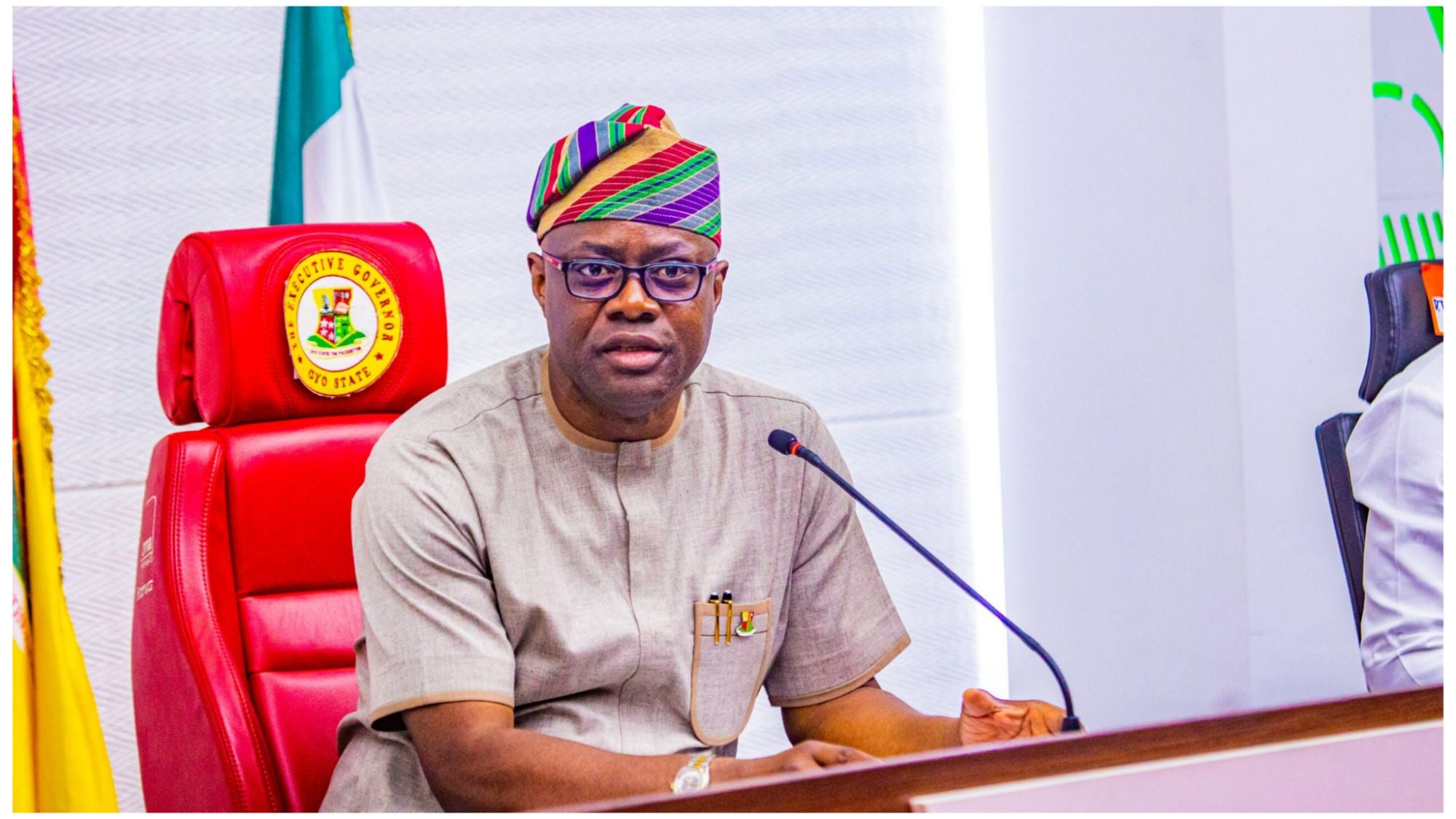
According to the organisation, the proposed programme would be built around an inclusive, four-year transitional government of national unity, with education, the economy, security and socio-political reforms identified as its four priority areas.
The campaign said Makinde’s economic plan would focus on increasing production to address poverty, while his security strategy would combine intelligence gathering with social reorientation and both kinetic and non-kinetic approaches.
On education, the organisation said the agenda would seek to expand access to quality and functional education. Its proposed institutional reforms would also promote inclusive governance and responsible leadership.
The organisation maintained that feedback from its campaign activities indicated that the RESET NIGERIA message was gaining acceptance, especially among young people who, it claimed, were increasingly looking towards Makinde for an alternative to the current administration.
It also criticised members of Tinubu’s campaign machinery, urging the President not to commit national resources to what it called his “Nebuchadnezzar” campaign council.
The organisation described the council’s members as failed politicians and argued that neither the President’s campaign structure nor the advantages of incumbency would prevent his defeat in the states it had identified.
Recall that the Minister of the Federal Capital Territory, Nyesom Wike, had declared that he would take responsibility if Tinubu failed to win both the FCT and Rivers State.
In September, Wike vowed to resign from his position as FCT Minister if the President lost Rivers State and the FCT in the 2027 presidential election.
Wike made the declaration while addressing members and leaders of the Apo Mechanics and Traders Association in Abuja, where he discussed his commitment to Tinubu’s re-election and the political arrangements being developed to mobilise support for the President.
The former Rivers State governor said his position as FCT Minister carried a political responsibility to help secure victory for Tinubu, particularly in the territory where he currently serves.
“If I cannot deliver where I work, then I’m not worthy to be here,” Wike said.
“If I lose FCT, I’m not supposed to be FCT Minister. By January 17, 2027, I will announce my resignation as FCT Minister should the President lose in Rivers State and the FCT,” he added.
-

 News4 days ago
MTN, Airtel take 90% of Nigeria’s 15m new subscribers as Glo shifts ground – Technology Times
-
News2 days ago
Miners Association Seeks Support To Unlock $3bn Gemstone Export Potential
-
Health2 days ago
Katsina health professionals declare 7-day warning strike
-
Business3 days ago
AFC Appoints CBN Governor Yemi Cardoso as Board Chairman