Entertainment
Plateau’s Creative Spark Ignites: State Hosts First-Ever Creative Industry Meet to Fuel Tourism & Innovation


Move over, gold rush—Plateau’s newest treasure isn’t buried underground. It’s dancing in studios, echoing in music studios, lighting up film sets, and painting the town with bold strokes of imagination. And this week, the state officially rolled out the red carpet for its creative class at the inaugural Plateau Creative Industry Engagement, themed “Unlocking the Creative Economy for Sustainable Tourism and Innovation.”
Organised by the Plateau State Ministry of Tourism, Culture and Hospitality, the landmark event gathered artists, policymakers, filmmakers, sound engineers, tax officials, and cultural custodians under one roof—not just to talk shop, but to plot a bold new economic future powered by creativity.
Hon. Cornelius Doeyok, the state’s dynamic Commissioner for Tourism, Culture and Hospitality, didn’t mince words: “Plateau’s creative sector is a hidden goldmine.” He painted a vivid picture of a state bursting with talent but held back by a lack of data, coordination, and investment. “Creativity alone isn’t enough,” he said. “We need to turn it into value—into jobs, into tourism, into global recognition.”
Doeyok stressed that while the government can set the stage, it’s up to creatives themselves to step into the spotlight and build sustainable businesses. “This isn’t a handout—it’s a partnership,” he declared, promising his ministry would work to create an ecosystem where ideas can thrive and artists can earn.


The day’s highlight? A powerhouse panel that read like a who’s who of Plateau’s creative and policy elite:
– Bomkam Wuyep (Director General, PLASMIDA)
– Dr. Jim Pam Wayas (Chairman, Plateau State Internal Revenue Service)
– Owen Dagogot (House Committee on Tourism)
– Suka Andrew (world-renowned sound engineer)
– James Laman (project management guru)
– Chuwang Pwajok (General Manager, Plateau Tourism Corporation)
– And the Commissioner himself, anchoring the conversation.
Together, they tackled everything from tax policies that don’t strangle startups to how creatives can better collaborate with the government. The consensus? Creativity isn’t just culture—it’s capital.
The creatives didn’t hold back—and they weren’t just grateful; they were galvanised.
Gabriel Hodus (aka Elmore), Governor of the PMAN Plateau chapter, called the event a “new dawn” and urged fellow artists to unite. “When we speak with one voice, we can’t be ignored,” he said.
Actress and AGN Plateau Chair Augusta Isaac acknowledged the shadow of insecurity that once dimmed Jos’s creative glow—but insisted the flame never went out. She announced a bold new initiative: “Catch Them Young,” a school-based talent hunt to train the next generation of actors and rebuild Plateau’s rep as Nigeria’s creative heartbeat.
Gospel sensation Neken Chuwang struck a practical note: “Reward us fairly, and we’ll create more.” He also warned that the current APCON taxation framework could suffocate emerging talent if not reformed.
Comedian and digital creator Sunday Agbaji (Hilarious Sunnie) praised the government’s genuine outreach: “This isn’t just photo ops—it’s direction,” he said, urging fellow creatives to show up, speak up, and stay engaged.
And then came the mic-drop moment from veteran Nollywood icon Sani Mu’azu. Calling for “transparency, clear policies, and better security,” he revealed an ambitious plan in the works: a Jos Film Village—a one-stop hub for local and international productions, modelled after successful setups in Morocco and South Africa. “Let’s bring the cameras back to Jos,” he urged.
Closing the event, Barr. Ezra Jinang, Senior Special Assistant on Creativity to the Governor, gave a vote of thanks—and a promise. Expect more seminars on taxation, content monetisation, and legal rights for creatives across the state. This, he said, is just the beginning.
Is Plateau about to become Nigeria’s next creative capital? With talent this deep, leadership this engaged, and vision this clear—the answer might just be playing at a cinema near you soon.


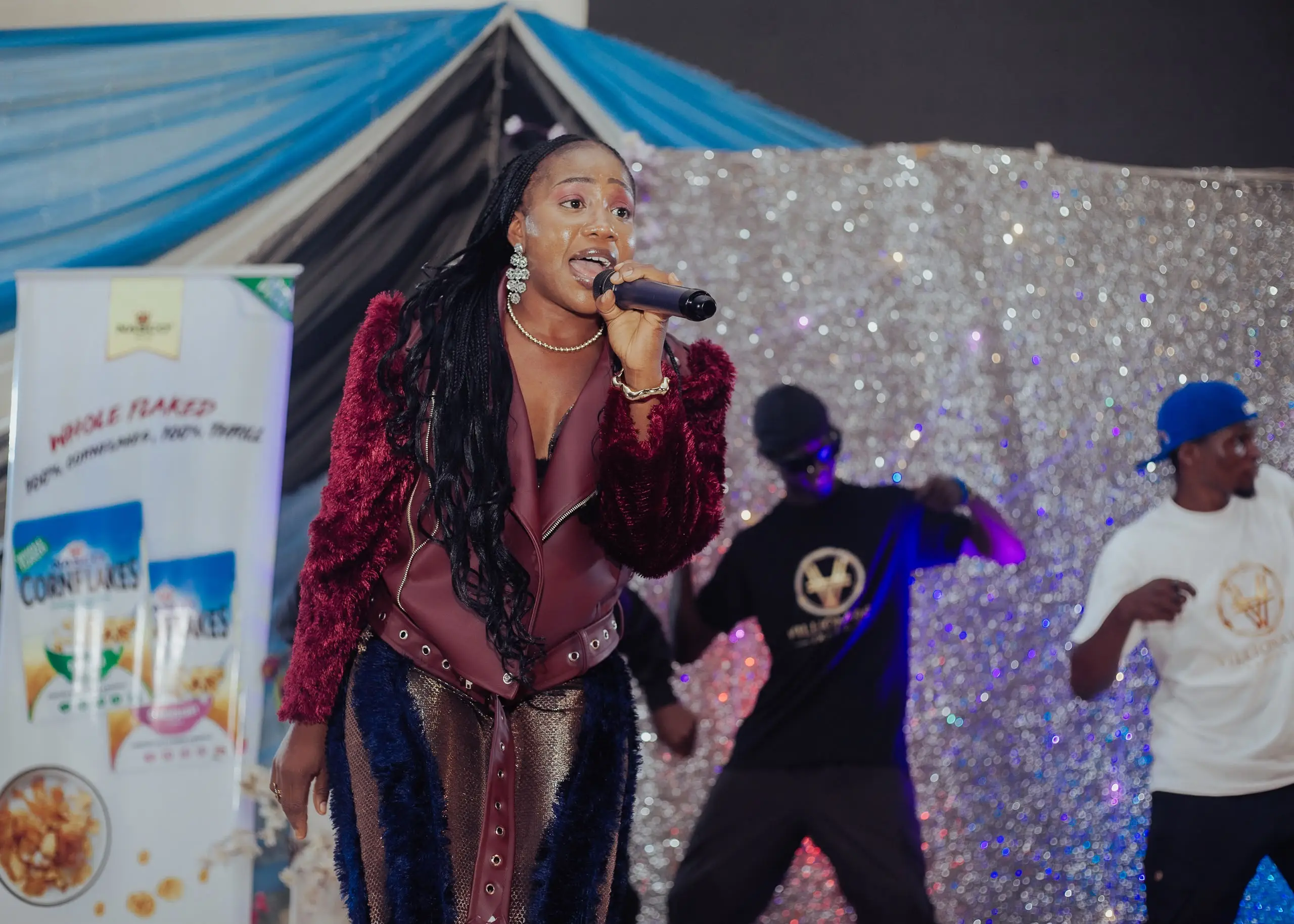
The University of Jos came alive with music, glamour and excitement as Afro Soul sensation Big Chinni delivered a captivating performance at the Mr & Miss UNIJOS 2026 pageant, one of the institution’s most anticipated annual social events.
The event, held on the University of Jos campus, attracted hundreds of students, alumni and guests who gathered to witness the crowning of the institution’s new king and queen and to celebrate creativity, fashion and student excellence.
Big Chinni thrilled the audience with an energetic Afro Soul performance, delivering a blend of soulful melodies and vibrant stagecraft that kept the crowd singing and dancing throughout her set. Her performance added excitement to an evening dedicated to showcasing talent, confidence and youthful creativity.
The pageant, widely regarded as a flagship event on the university’s social calendar, featured dazzling fashion displays, entertainment performances and competitive segments leading to the emergence of the new Mr & Miss UNIJOS 2026.
The event was powered by NASCO Cornflakes, one of Nigeria’s leading breakfast cereal brands, whose colourful branding featured prominently across the venue, including the red carpet and main stage. The company’s support underscored its commitment to promoting youth development, campus engagement and student-focused initiatives.
Organisers said the collaboration between NASCO Cornflakes and the pageant reflected a shared vision of celebrating excellence, talent and the vibrant lifestyle of young people.
With her memorable performance, Big Chinni further strengthened her growing reputation as one of the emerging voices in the Afro Soul music scene, leaving the audience entertained and making the 2026 edition of Mr & Miss UNIJOS one of the most talked-about campus events of the year.


-

 Health4 days ago
AMR: Livestock uses more antibiotics than human health sector
-
News3 days ago
MTN, Airtel take 90% of Nigeria’s 15m new subscribers as Glo shifts ground – Technology Times
-
News4 days ago
The Stage Is Set, Nairobi Is Ready! Africa’s Business and Sports Power Players Converge for YORA Summit 2026
-
Health2 days ago
Katsina health professionals declare 7-day warning strike