News
India’s app market is booming — but global platforms are capturing most of the gains


India’s mobile app market is generating record revenue, with in-app purchases crossing $300 million in the first quarter, up 33% year-over-year, according to Sensor Tower — but much of that spending is flowing to global platforms.
Non-gaming apps were the main driver of growth in Q1, generating over $200 million in in-app purchase revenue — rising 44% year-over-year and increasing their share of overall spending, Sensor Tower said in its report. The gains were led by categories including utilities, video streaming, and generative AI.
The progress reflects a broader shift in India’s app market, where annual in-app purchase revenue has risen from $520 million in 2021 to more than $1 billion in 2025 and is projected to reach $1.25 billion this year, per Sensor Tower. While downloads have stabilized at around 25 billion a year, time spent on apps continues to grow, pointing to deeper engagement and a greater willingness among users to pay for digital services.
Much of India’s spending in Q1 was captured by global platforms, with Google One, Facebook, ChatGPT, and YouTube among the top earners. Domestic players were more prominent in video streaming, with JioHotstar and SonyLIV ranking highly. A similar pattern emerged in downloads, where ChatGPT, Instagram, and the Chinese short-drama app FreeReels led the market, followed by Indian apps including Story TV, JioHotstar, and Meesho.

India’s app market has matured on the download side, but monetization is strengthening as usage deepens and digital payment habits become more embedded, Donny Kristianto, principal market insights manager at Sensor Tower, told TechCrunch.
Despite the gains, India remains a relatively low-spending market, generating about $0.03 in revenue per download, compared with more than $0.20 in Southeast Asia and Latin America, Sensor Tower data shared with TechCrunch showed.
While newer categories are driving growth in India’s mobile app market, spending remains concentrated in a handful of mature segments, particularly productivity, social media, and video streaming apps, which dominate the top rankings. Video streaming alone accounts for about half of the top 10 revenue-generating apps, underlining its outsized monetization power, the data showed.
Techcrunch event
San Francisco, CA
|
October 13-15, 2026
Even so, shifts in user demand suggest room for further growth. Generative AI apps saw downloads rise 69% year-over-year, with ChatGPT ranking among the top apps by both installs and revenue. India has long been ChatGPT’s largest market by users, while other AI apps are also gaining ground.
Short drama platforms are growing even faster, with downloads up more than 400%, led by apps like FreeReels. The trend suggests India’s app market is still early in its monetization journey, even as new categories expand what users are willing to pay for.
When you purchase through links in our articles, we may earn a small commission. This doesn’t affect our editorial independence.
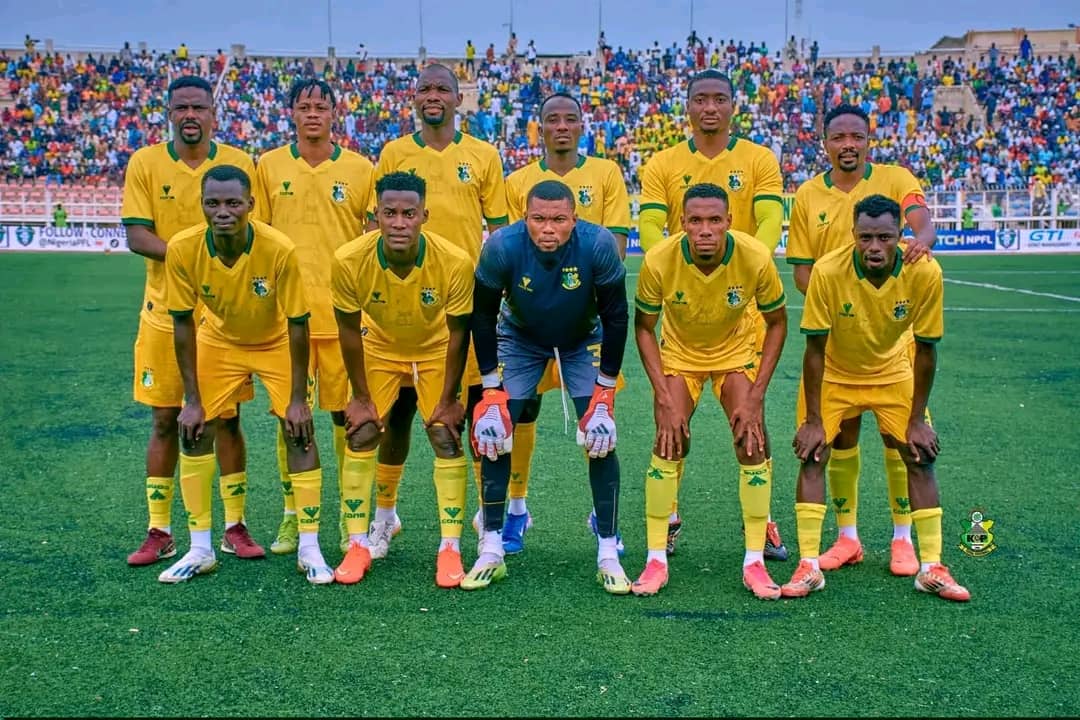
Kano Pillars and Sporting Lagos played out a 1-1 draw in an entertaining EuroMatch Nigeria Premier Football League Matchday 7 encounter in Kano, with both sides settling for a point after a closely contested battle.
Sports247 reports that the result means the Mai Su Gida have now followed up their previous goalless draw against Enyimba with another stalemate, while Sporting Lagos also recorded their second consecutive draw after being held to a barren 0-0 draw by Ikorodu City in the Lagos Derby.
Kano Pillars started the encounter with the intention of making home advantage count, but Sporting Lagos remained organised and disciplined as both teams searched for an opening.
The breakthrough finally arrived deep into first-half stoppage time when Valentine Ugwu put Sporting Lagos ahead in the 45+2nd minute, giving the visitors a valuable lead heading into the interval.
Kano Pillars responded strongly after the restart and quickly found a way back into the contest.
The hosts were rewarded in the 48th minute when Abdullahi Musa drew Kano Pillars level, finishing off a move created by veteran midfielder Rabiu Ali, whose assist once again underlined his influence in the Pillars midfield.
With the score level at 1-1, both sides pushed for a decisive second goal, but neither could find the breakthrough during the remainder of the encounter.
Kano Pillars will take encouragement from their ability to recover from going behind, while Sporting Lagos will also be satisfied with securing a point away from home after surrendering their lead.
For the Mai Su Gida, the draw represents another opportunity gained but also another two points dropped from a winning position, as they continue their campaign in search of consistency.
Sporting Lagos, meanwhile, remain unbeaten across their recent fixtures but will be looking to convert their promising performances into maximum points as the season progresses.
The 1-1 result leaves both teams with plenty to build on, particularly in attack, as they prepare for their next assignments in the EuroMatch NPFL.
With the league campaign continuing to gather momentum, Kano Pillars and Sporting Lagos will now turn their attention to their upcoming fixtures, hoping to turn future draws into victories.
-

 News3 days ago
PLASU Opens Doors to Global Investors at 2nd Inaugural Lecture
-
Health2 days ago
Plateau: Medical Women Association of Nigeria Marks Older Persons Day with Free Outreach
-
News3 days ago
Plateau Specialist Hospital Celebrates Nigeria at 66, Salutes Mutfwang’s Health Initiatives
-
News3 days ago
Nigeria At 66: Rotjimwa Yilyok Salutes President Tinubu, APC Leadership and Plateau Government