Health
Niger records 124 diphtheria cases, 17 deaths — Commissioner

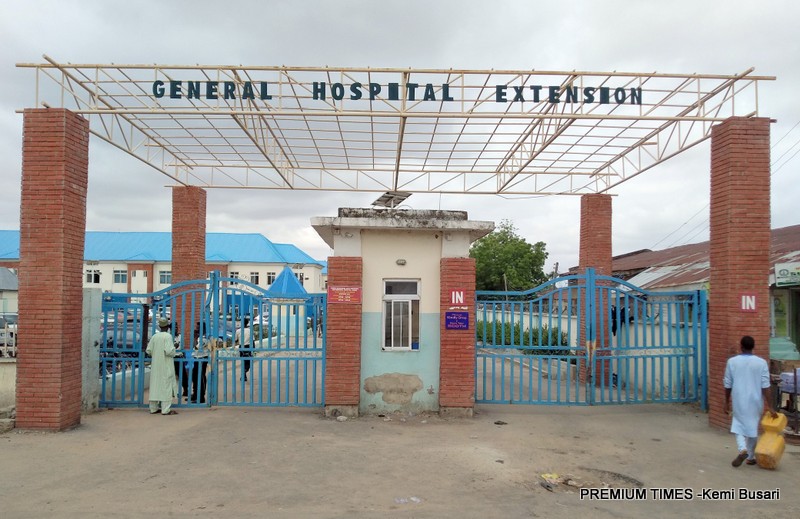

The Niger State Government has confirmed 17 deaths from diphtheria out of 124 cases recorded in three local government areas within the last seven months.
The Commissioner for Health, Murtala Bagana, disclosed this on Friday while presenting an overview of the state’s health sector at the Second Quarter Press Parley organised by the state Ministry of Information and Orientation in Minna.
Mr Bagana said 103 patients had been treated and discharged, while 17 deaths were recorded in Bida, Suleja and Shiroro local government areas.
He added that three new cases were recently identified, with one patient currently receiving treatment.
The commissioner said the government was strengthening disease surveillance, case management, immunisation and public awareness to contain the spread of diphtheria.

He urged parents and caregivers to ensure that children received all recommended vaccines, stressing that routine immunisation remained critical to preventing diphtheria, measles and other vaccine-preventable diseases.
100 PHCs for completion
Mr Bagana also disclosed that the state government was targeting the completion and operationalisation of 100 out of the 274 Tier-Two Primary Healthcare Centres (PHCs) being upgraded across the state by the end of 2026.
He said the ongoing PHC upgrade was part of the government’s efforts to strengthen primary healthcare delivery and improve access to quality healthcare services, particularly in underserved communities.
According to him, the administration of Governor Mohammed Bago had continued to prioritise investment in the health sector through infrastructure development, partnerships with development partners and timely payment of counterpart funds.
The commissioner said the government was also providing several free healthcare interventions to reduce the financial burden of treatment on residents.
He said accident victims were entitled to free treatment within the first 24 hours of presentation at designated health facilities, while victims of snake bites would also receive free treatment within the same period.
He added that Caesarean Section operations were being provided free of charge at five designated centres across the state.
Vaccines, he said, were also available free of charge at all primary healthcare centres, urging parents and caregivers to ensure that their children received the recommended vaccines.
Mr Bagana said the Ministry of Health was working towards enforcing relevant provisions of the Child Rights Act and other applicable regulations to ensure that children had access to routine immunisation.
IBBU medical students’ clinical training
On clinical training for medical students of Ibrahim Badamasi Babangida University (IBBU), Lapai, Mr Bagana assured students and parents that arrangements were being made to provide clinical training facilities in Minna within the next six months to one year.
He explained that the arrangement became necessary following delays in the construction of the permanent IBBU University Teaching Hospital in Minna.
According to him, disagreements with the contractor handling the project affected its progress, but the issues had now been resolved.
“In view of that, we have lost some mileage, as there was some disagreement along the way. But finally, we are at the point where the contract would be re-awarded to another contractor who would take us to completion,” he said.
Mr Bagana said the government would not wait for the completion of the permanent teaching hospital before commencing clinical training for subsequent batches of medical students.
He said the permanent facility was projected to be completed within 18 months to two years, while interim arrangements were being made to enable students to undertake their clinical training in Minna.
“We are not waiting for the teaching hospital to be completed before we start training our students. Since the timeline for the completion of the hospital is now between 18 months and two years, in the next six months to one year, we will have our facilities ready for them,” he said.
The commissioner said Minna General Hospital was undergoing rehabilitation and would serve as a temporary clinical training facility for students of the IBBU College of Medicine.
ALSO READ: SPECIAL REPORT: Why preventable diphtheria is killing children in Kaduna communities
He added that the government was also working with a contractor to establish a laboratory medicine facility at the IBB Specialist Hospital, while the IBBU Guest House in Minna would provide accommodation for the students.
Mr Bagana recalled that the first batch of 41 medical students had moved to Zaria for clinical training pending the availability of suitable facilities in Niger State.
He said the interim arrangement would enable subsequent batches of students to undertake their clinical training in Minna while the government pursued completion of the permanent teaching hospital.
Measles cases
Also speaking at the press parley, an official, Samuel Jiya, said Niger State had recorded a decline in measles infections, with 31 cases reported this year.
He said nine of the cases tested positive and were treated, while two deaths were recorded.
The officials also disclosed that the present administration had engaged no fewer than 20 consultant doctors as part of efforts to address manpower shortages and strengthen healthcare delivery in the state.
Mr Bagana further disclosed that the state had secured malaria drugs worth N2.5 billion through partnerships with development partners.
He said the government had also recently conducted a free medical outreach targeting 1.5 million people.
According to him, the outreach provided free cataract operations, 1,500 pairs of eyeglasses and 500 walking sticks to beneficiaries.
He said similar interventions would be sustained in the state.
On HIV/AIDS, the commissioner said the prevalence rate in Niger remained below one per cent, adding that the government was taking measures to sustain and strengthen its partnership with the Global Fund.
Mr Bagana attributed the improvements recorded in the state’s health sector to the commitment of Governor Bago and collaboration with development partners.
He commended the state government for creating an enabling environment for effective healthcare delivery and urged the media to continue supporting the Ministry of Health through public health advocacy and sensitisation, particularly on routine immunisation and the prevention of vaccine-preventable diseases.
Discover more from Premium Times Nigeria
Subscribe to get the latest posts sent to your email.





Six proven climate and health interventions could prevent 1.6 million deaths annually and generate trillions of dollars in economic benefits if implemented globally, the World Health Organisation (WHO) has revealed.
The measures, which include heat-health warning systems, access to safe water and sanitation, cleaner household energy and more efficient fossil fuel pricing policies, could generate $3.9 trillion in annual economic welfare benefits and a further $5.4 trillion in fiscal gains.
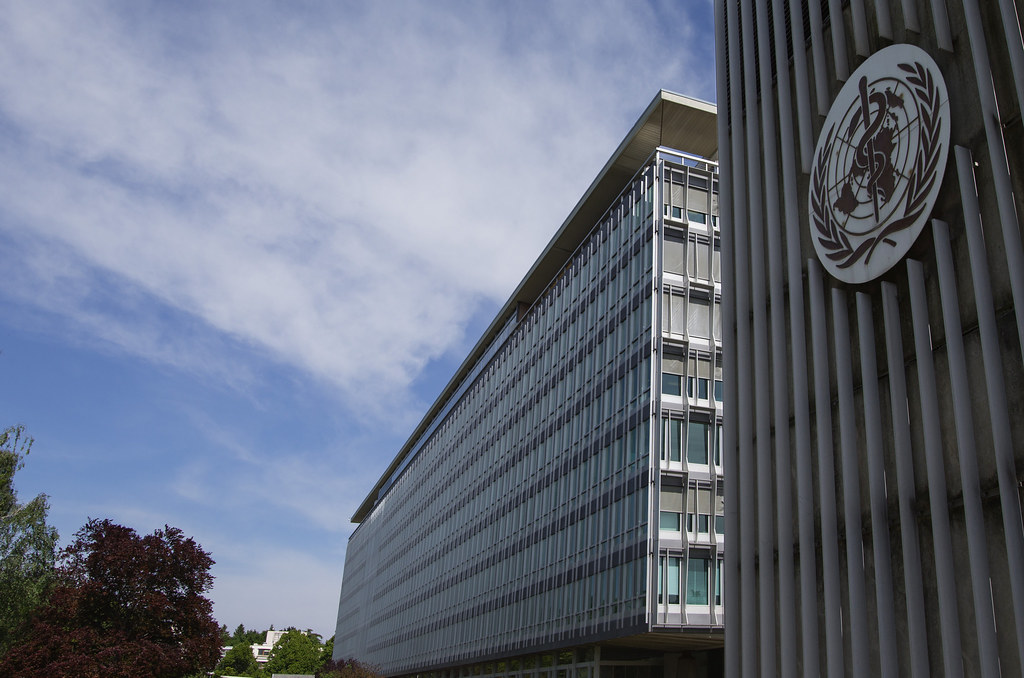
The WHO disclosed this in a new report titled ‘Global benefits and costs of prioritised actions on climate change and health’, released ahead of the 31st United Nations Climate Change Conference (COP31), where countries are expected to present their climate commitments.
According to the report, the six interventions could prevent one in every 40 deaths globally, based on modelled projections, while avoiding 16.7 billion tonnes of carbon dioxide emissions annually.
The estimated emissions reduction is equivalent to 31 per cent of global annual greenhouse gas emissions, excluding emissions from land use, land-use change and forestry.
The report, which the WHO described as its first comprehensive assessment of the economic and fiscal returns from scaling up the six recommended interventions, highlights the potential health and financial gains of integrating public health considerations into climate policies.

It argues that many health consequences of climate change are preventable through existing solutions, but governments must implement them across health and other sectors that determine people’s health.
Six interventions
The report identifies six interventions: heat-health warning systems, climate-resilient drinking-water services, basic sanitation services, hygiene and handwashing facilities, cleaner household fuels and technologies for cooking and heating, and efficient fossil fuel pricing policies.
The WHO estimates that five of the interventions could generate $24 in benefits for every $1 invested, with returns expected to be greater in low- and middle-income countries.
Heat-health warning systems are projected to deliver particularly high returns, generating an estimated $835 in benefits for every $1 invested.
The report attributes the high returns to the relatively low cost of expanding existing warning systems and their potential to prevent heat-related illnesses.
Efficient fossil fuel pricing policies, however, are projected to deliver the largest overall gains.
Such policies, including removing inefficient fossil fuel subsidies and appropriately taxing fossil fuels, could prevent 1.2 million deaths annually while generating $3 trillion in economic welfare benefits and $5.4 trillion in fiscal gains.
Health at the centre of climate action
Commenting on the findings, WHO Director-General Tedros Ghebreyesus said the climate crisis was also a health crisis, but many of its consequences could be prevented using existing interventions.
READ ALSO: WHO raises alarm as 75% of diabetes cases in Africa remain undiagnosed
He said expanding proven and affordable interventions could save millions of lives, particularly in countries with the greatest need.
“The climate crisis is a health crisis, but much of the harm it causes can be prevented with tools we already have,” he said.
Mr Ghebreyesus urged governments to place health considerations at the centre of climate action as they prepare for the next round of international climate negotiations.
The WHO said countries were already experiencing record-breaking climate shocks in 2026, investing in measures that protect human health and the environment increasingly urgent.
The health body called on governments, development partners and financing institutions to use the economic evidence to scale up the interventions, noting that they could deliver simultaneous benefits for public health, climate mitigation and national economies.
Discover more from Premium Times Nigeria
Subscribe to get the latest posts sent to your email.
-

 News4 days ago
Plateau APC 2027 Campaign Council inaugurated today in Jos
-
News4 days ago
Nigerians’ data appetite drives MTN Nigeria revenue to ₦2.68tn – Technology Times
-
News2 days ago
Plateau Ndigbo Crown Chief Johnson Nwosu as New Igwe
-
News2 days ago
CrowdStrike to shell out nearly $500M for 2 AI security startups as the market for securing agents takes off