Business
Court dismisses Chinese oil company’s bid to void $100 million judgement over OPL 471 dispute





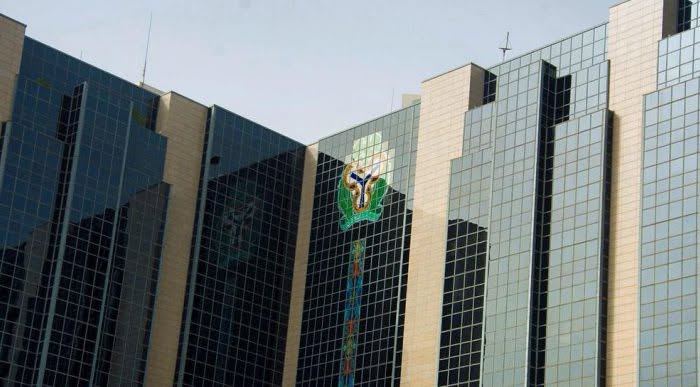

The Central Bank of Nigeria (CBN) has prioritised the supervision of terrorism financing as part of efforts to protect the country’s financial system from abuse by illicit actors.
The apex bank disclosed this in a statement signed by its Acting Director, Corporate Communications and Investor Relations Department, Sidi-Ali Hakama, on Tuesday.
The supervisory focus would cover terrorism-financing risk management, transaction monitoring, targeted financial sanctions implementation, and suspicious-transaction reporting related to terrorism financing.
“This supervisory priority covers, at a high level, terrorism-financing risk management, terrorism-financing transaction monitoring, targeted financial sanctions implementation, and terrorism financing-related suspicious transaction reporting,” CBN said.
CBN also said it would continue to apply a risk-based supervisory approach, including on-site and off-site engagements, to strengthen anti-money laundering, counter-terrorism financing, and counter-proliferation financing controls across the financial sector.

“The Bank will continue to apply a risk-based supervisory approach, including on-site and off-site engagement, to support effective AML/CFT/CPF controls across the financial sector in line with existing legal and regulatory obligations,” it said.
The regulator further explained that the supervisory focus would also support Nigeria’s domestic and international cooperation on counter-terrorism financing, counter-proliferation financing, financial integrity and the protection of the financial system.
The apex bank added that further supervisory engagement would be undertaken where necessary.
“Further supervisory engagement will be undertaken as appropriate,” it said.
This is another step by the regulator to curb terrorism financing and prevent illicit actors from abusing the financial system.
READ ALSO: CBN removes FX, government securities restrictions on discount window access
In June, CBN directed banks and other financial institutions to immediately freeze accounts and assets linked to six individuals and four Bureau de Change (BDC) operators designated for terrorism and terrorism-financing-related activities, following an update to the Nigeria Sanctions List on 18 June.
In March, the CBN also amended the Revised Regulatory Framework for BVN and Watch-List for the Nigerian Banking Industry.
The amendment introduced measures that include a temporary 24-hour watch-list for BVNs linked to suspected fraudulent transactions, restricting BVN enrolment to persons aged 18 and above, limiting phone number amendments to once, and restricting access to BVN databases to CBN-licensed financial institutions.
Discover more from Premium Times Nigeria
Subscribe to get the latest posts sent to your email.
-

 Health4 days ago
Donor cuts, govt inaction negatively impact HIV patients in Rivers, Akwa Ibom
-
Business3 days ago
Uncertainty as Nigerian woman remains unreachable after arriving Doha airport
-
News4 days ago
Osaze Odemwingie Threatens Legal Action Against Popular British Broadcast Outfit Over His 2013 Botched Transfer Controversy
-
News2 days ago
Govt steps up data protection scrutiny across e-commerce sector