News
7th September: Special Edition of Gaskiya Youth Platform Commemorates 22 Years of Peace Efforts in Plateau State


In a moment of reflection and gratitude, Kenneth Attah, Project Team Lead of BEGE FOUNDATION, commemorated 22 years of peace efforts in Plateau state after the infamous September 7th 2021 Jos crisis that claimed the peace of the famous Jos tin city. Speaking today at a special edition of the GASKIYA YOUTH PLATFORM in Plateau State, Mr Attah said the occasion reminded us all of the challenges and sacrifices endured over the years in pursuit of lasting peace.
Amidst the solemnity of the occasion, Attah acknowledged the remarkable contributions of international and local non-governmental organizations (INGOs/NGOs), community stakeholders, religious and traditional institutions, and the government. He stressed that the enduring peace in Plateau today is a testament to the collective determination to overcome frustration and adversity.

“Plateau’s current state of peace stands as a powerful testament to our united efforts, despite the obstacles we’ve faced,” Mr. Kenneth stated.
Mrs. Olufunmi Donkap, in her welcoming remarks, expressed her delight at seeing young people engage in discussions about peace. She emphasized the pivotal role that youth must play in their respective spheres, underlining their paramount importance in society’s fabric.
“If we believe in ourselves, we can make a difference by saying ‘yes’ to peace and ‘yes’ to truth,” Donkap declared.
She reminded the youth of Plateau that the future of the state depends on their actions and initiatives.

The keynote speaker, Ms. Muege Dilmaghani Oromieh, Head of Projects at GIZ Peacecore Nigeria, underscored the vital role of youth in conflict resolution and peacebuilding. She emphasized that when the youth are empowered and integrated into society, meaningful change becomes achievable.
Oromieh stressed the necessity of transforming conflicts through community empowerment, highlighting that unfounded assumptions can lead to misunderstandings and even violence. She encouraged youth to use platforms like Gaskiya Youth to dispel assumptions, express grievances, and promote peace.

Miss Ngozi Edmond provided an overview of the ongoing interventions by Bege Foundation in various Plateau communities. She also highlighted the importance of the monthly Gaskiya Youth platform, where young people come together to discuss trending issues and brainstorm peaceful solutions.
The panel discussion on the role of youth in consolidating and sustaining peaceful gains in Plateau State featured several insightful speakers:

Barr Juliana Shan, Executive Director of JDPH, emphasized the futility of using violence to resolve issues and urged youth to leverage their energy and numbers to promote dialogue and change.
Mr. Yakubu Taddy, Director of News and Current Affairs at PRTVC, encouraged youth to use their influence positively and address issues such as tribalism and ethnicity.

Mr. Williams Ubimago, Project Manager of Search for Common Ground, called on youth to engage in peace-building activities, counter negative narratives on social media, and foster interreligious collaboration.
Hajiya Lantana Abdulahi, National Co-Coordinator of Nigeria Women Mediators Network, emphasized the potential of Nigeria’s youthful population and called for gender balance, equality, and online resource utilization.
The special edition of the Gaskiya Youth Platform also future an interactive question and answer session where youths from various communities led thought-provoking questions and discussions on the pivotal role of youth in shaping a harmonious future for Plateau State and beyond.
The monthly town hall “Gaskiya platform” organized by Bege Foundation with funding support from Peace Direct through LEGASI and Engage held at the Augustinian training center, state low-cost in Jos, Plateau state.


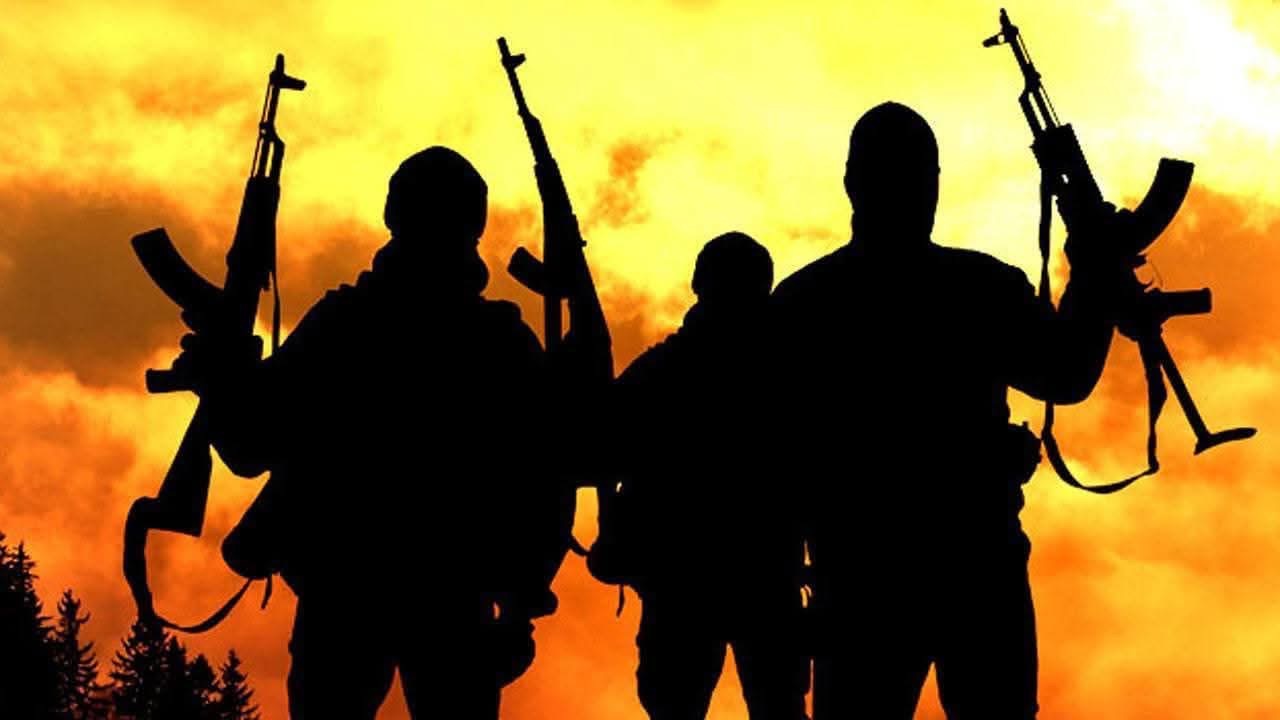
Three miners were reportedly killed by gunmen on Friday at a mining site in the Jamus area of Kazok village, Gashish District, Barkin Ladi Local Government Area of Plateau State.
In a statement on Friday, Rwang Tengwong, the spokesman for the Berom Youth Moulders Association (BYM), said the incident occurred at about 3:00 p.m.
He identified the deceased miners as John Mafulul, 53, and Ezekiel Yohanna, 50.
“These were not just two names added to a list of civilians killed by the armed Fulani terrorists; they were human beings with families, loved ones and people who depended on them,” Mr Tengwong said.
He explained that in another incident, Bulus Chun Pam was reportedly attacked on Wednesday and sustained injuries during the incident that occurred in the Foron district of Barkin Ladi.
Mr Tengwong noted that Mr Pam was taken to Jos University Teaching Hospital (JUTH) for treatment and later died on Friday.
“His death is another painful loss to his family and community, who would have hoped and prayed for his recovery,” Mr Tengwong stated.
He said the group was deeply concerned about the recurring attacks and mourned the victims of previous incidents.
According to him, the situation is particularly troubling because residents should be able to work, travel and go about their daily activities without the constant fear of being attacked.
“Mining sites, farmlands, rural settlements and community roads should not become places where residents risk losing their lives simply because they are trying to survive,” he said.
The state police spokesman, Alfred Alabo, did not immediately respond to Peoples Gazette’s request for comment.
On June 16, five miners were killed at a mining site after gunmen invaded Gero village, Gy district of the Jos

-
News4 days ago
FCCPC reviews rules for Nigeria’s online sales promotions, giveaways – Technology Times
-

 News3 days ago
Robot data startup Mecka AI nabs $60M from Sequoia
-
Business4 days ago
Nigeria has reduced reliance on oil revenue
-
Business1 day ago
Communications Ministry made ₦345.5 million duplicate payment for Abuja ICT Park project