News
Nigerian Trio Impress as FCV International Football Academy Secure 4-1 Win in London


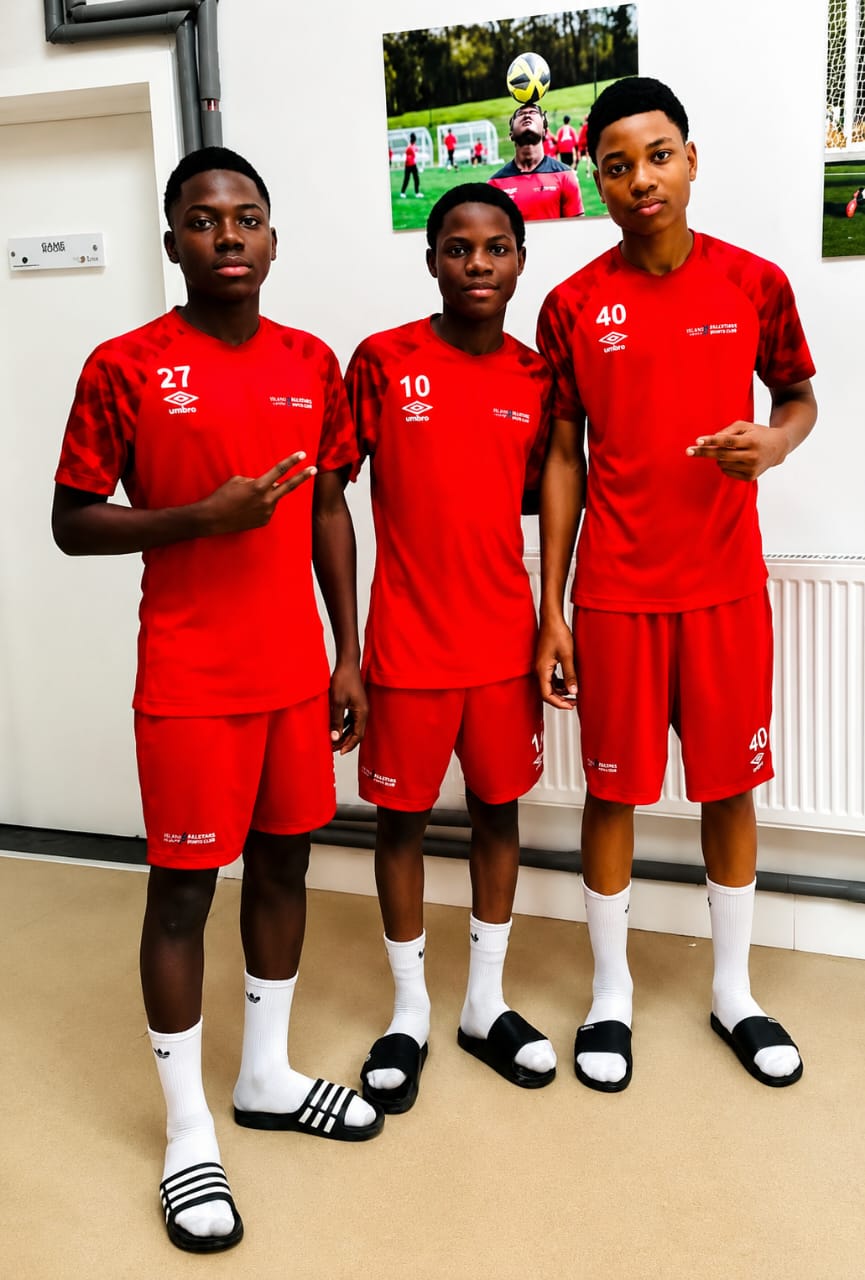
Young Nigerian talents Raheem Salaudeen, Fawas Ayomide Adeleke and Obiora Jacob Iyida delivered impressive performances as FCV International Football Academy secured a commanding 4-1 away victory over Fox Academy of London.
The encounter provided another valuable opportunity for the Nigerian youngsters to showcase their abilities and gain experience in the competitive UK football environment.
Raheem Salaudeen was among the standout performers, finding the back of the net during an impressive first-half display. His goal was joined by efforts from Andrey and Iman as FCV International Football Academy established a strong advantage before the break.
The second half continued in the same direction, with fellow Nigerian youngster Fawas Ayomide Adeleke getting his name on the scoresheet to complete an impressive team performance.
Meanwhile, Obiora Jacob Iyida also caught the eye with his movement, attacking intent and willingness to take on defenders. Although he was unable to convert a couple of promising opportunities, his overall contribution showed plenty of encouragement.
Speaking after the match, Raheem Salaudeen reflected on the team’s performance:
“It was a good game for us and I’m pleased that we were able to get the win. Scoring is always a great feeling, but the most important thing is that we played together and showed what we can do. We still have a lot to improve, and we will keep working.”
Fawas Adeleke also expressed his determination to build on the experience:
“Getting on the scoresheet is a great boost, but I know this is only one step. Playing here is helping us understand the demands of football in the UK, and I want to keep learning, improving and becoming a better player.”
For Obiora, the focus remains on turning his promising performances into goals and greater contributions in future matches.
The victory represents another important development opportunity for the three Nigerian youngsters, who continue to gain exposure, confidence and competitive experience while pursuing their football ambitions abroad.
From Nigeria to the UK, Raheem, Fawas and Obiora are continuing to make their presence felt—and their journey is one Nigerian football fans will be watching closely.





The African Action Congress, AAC, presidential candidate, Omoyele Sowore, has blasted President Bola Tinubu and the All Progressives Congress, APC, over what he described as a fake show of support in Kaduna during the APC campaign flag-off.
In a post on his verified X handle on Saturday, Sowore said the APC and Tinubu want Nigerians to mistake a packed stadium for nationwide support.
According to him, the Ranchers Bees Stadium in Kaduna holds just 5,000 people, adding that supporters were transported in from across Nigeria to fill it.
"You packed 5000 people in Kaduna and called it nationwide support? The APC and the Tinubu government want Nigerians to mistake a 'packed' stadium for nationwide support.
"Ranchers Bees Stadium in Kaduna holds just 5,000 people, even at that, supporters were transported in from across Nigeria to fill it," Sowore said.
The human rights activist stressed that President Tinubu will still lose the 2027 presidential election despite the alleged staged crowd.
"In 2027, President Bola Tinubu will still lose the election," he added.
You packed 5000 people in Kaduna, called it nationwide support – Sowore mocks Tinubu, APC
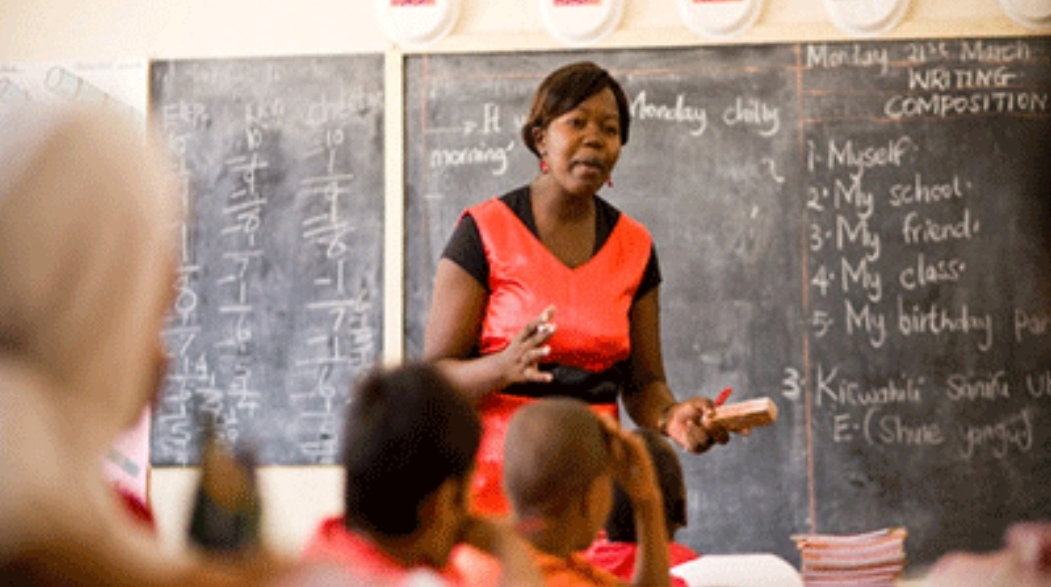
Do More Initiative, a non-governmental organisation (NGO), has called on the federal government to review the educational curriculum to address unemployment in Nigeria.
Deborah Mshelia, the executive director of the NGO, made the call at an event it organised on Saturday in Jos, tagged “The Upcycle Exhibition”.
Ms Mshelia, an architect, said that such a move would not only create employment opportunities for young people but also boost the nation’s revenue.
The executive director, who said that most developed countries relied on skills and technology to boost their economies, added that the needed reform of Nigeria’s education curriculum would align with current realities.
She particularly said that Nigeria’s education system should be geared towards producing critical thinkers, job creators and problem solvers.
“I think our educational curriculum at all levels should be reviewed to meet current realities.
“I am blessed because in school of architecture, we weren’t just taught how to construct buildings, but how to think. I have been able to apply that principle to many other things.
“And I think that’s the way our education system should go. The system should produce people that can critically think and solve problems using local solutions.
“The curriculum should focus on skill acquisition; let’s see young people doing things with their hands and using their talents to create jobs at all levels,” she said.
Ms Mshelia also called on parents to encourage their wards to acquire other skills in addition to Western education.
“Parents need to seriously support their children to acquire other skills.
“Gone are the days when we think that our children are too weak to go and learn carpentry. This is why we are practically losing our local crafts in Nigeria.
“These same crafts are what other countries are exporting and boosting their economy through foreign exchange,” she said.
On the exhibition, Ms Mshelia said that her organisation, under the “School to Stuff” project, had trained and supported 10 young people to turn waste into wealth.
The executive director, who said that 20 applicants had initially been selected for the project, regretted that only 10 eventually turned up and participated.
“Waste management in Nigeria is a huge problem, and that’s why we trained these 10 young people and supported them to create wealth from the waste in their environment.
“We simply supported them to use their creativity to turn waste into wealth; that way, we are also solving the problem of unemployment and underemployment in Nigeria,” she said.
Ms Mshelia, who advised Nigerians to put their ingenuity to good use, also called on young people to shun all forms of social vices and be good ambassadors of Nigeria.
She, however, advised the government to initiate policies and programmes that would enable young people to put their skills to proper use.
(NAN)

-

 News2 days ago
Obi, Kwankwaso to hold Middle Belt Youth, Village Hall Meeting in Jos
-
News4 days ago
Blacksmith hits unicorn valuation after Sequoia leads Series C
-
News3 days ago
Handball President Jibril Saidu Ojih Explains Reasons Behind Introduction Of Transfer Fees For Nigerian Players
-
Entertainment3 days ago
FOGMMON PLATEAU CONGRATULATES EJIDIKE UGOCHUKWU (𝙈𝙞𝙣𝙨𝙩𝙧𝙚𝙡 𝙅𝙞𝙙) ON HIS APPOINTMENT AS NATIONAL PRESIDENT