Education
Young Voices Rise for Gender Justice in Abuja IDP Communities


Young people in underrepresented communities and IDP camps across Abuja have completed a transformative gender justice project that empowered them to speak out through storytelling and creative advocacy.
The initiative, titled “Our Voice, Our Power,” engaged adolescent girls and boys from Durumi and the New Kuchingoro IDP camp, demonstrating how imagination, dialogue, and media can drive community change.

The Organizers
Implemented by Ogri Caro-Ann Aricha, Opeyemi Adenikan, Elizabeth Kedonojo Umoru, and Priye Diri, Fellows of the Nigerian Green Academy, the project combined film education, creative writing, and feminist mentorship, with funding from Heinrich Böll Stiftung.
According to the organizers, the goal was clear: “to give young people the knowledge and confidence to identify inequalities and speak against them.” The program focused on feminism, allyship, bodily autonomy, gender rights, and ethical leadership.
Twenty adolescents aged 13 to 18 were selected through a reflective writing exercise titled “My Dream of a Gender Equal World,” which introduced them to key themes while encouraging personal expression.


As the project progressed, participants began to see themselves differently, shifting from passive observers to active community members capable of influence and leadership.
A major highlight was the screening of documentaries on African women changemakers and positive masculinity, which opened conversations on barriers faced by girls and the pressures shaping boys.
In reflection circles, girls spoke about safety, early marriage, and silencing, while boys confronted ideas around dominance and accountability, supported by facilitators and feminist leaders including Dorothy Njemanze, Nafisa Atiku, and Kenneth Kamah.
Through structured workshops, participants moved from journaling to scripting short advocacy pieces, later producing videos that addressed issues such as girls’ education, menstrual hygiene, fairness in decision-making, empathy, and inclusion.
The advocacy videos were launched online under the hashtag #HerVoiceHerPower, spotlighting girls while positioning boys as visible allies, and inviting wider public engagement on youth-led gender justice.
Beyond workshops, participants gained skills in teamwork, public speaking, leadership, and responsible social media use, with each encouraged to share lessons within homes, schools, youth groups, and the IDP camp.
The project also produced a book titled “My Dream of a Gender Equal World,” featuring the adolescents’ essays, alongside seven advocacy videos, all created between August and November.

The Book
Supported by FEMBUDNG and Heinrich Böll Stiftung, Our Voice, Our Power stands as a significant contribution to feminist education, reaffirming that “when young voices are amplified, communities reflect—and change begins.”


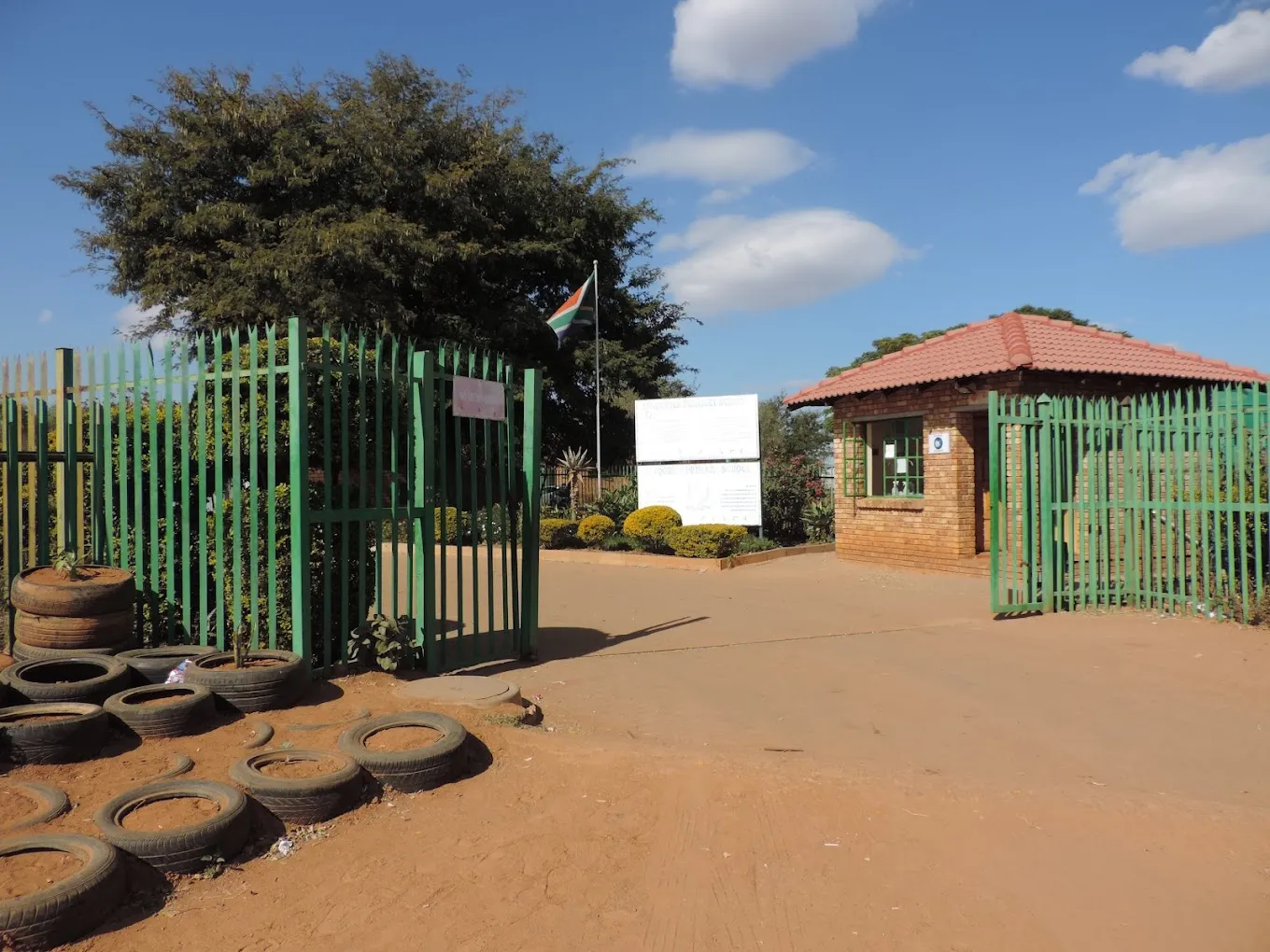
An 11-year-old pupil at Sinqobile Primary School in Soshanguve, South Africa, was allegedly dragged into a school toilet and forcibly circumcised by four older students during break time.
The Grade 5 pupil was reportedly attacked by four Grade 7 students, who allegedly pinned him down before one of them used a sharp blade to remove his foreskin.
The boy was also allegedly threatened with violence if he disclosed the incident to anyone.
According to his mother, the child returned home after the incident but initially refused to tell her what had happened. She later noticed that he was walking unusually and, days later, discovered that he was in severe pain.
The mother said her son eventually showed her his swollen private parts, prompting her to rush him to a doctor.
“He then showed me his swollen private parts and I rushed him to the doctor and it was then that we learned four pupils had circumcised him,” she said.

She said her son told her that the older boys had attacked him in the school toilets during break and threatened to beat him if he told anyone.
The mother subsequently opened a criminal case and refused to allow her son to return to school. Police later persuaded the boy to attend an identity parade, where he reportedly helped identify the four students.
South African Police Service spokesperson, Captain Tintswalo Sibeko, confirmed that a case of assault with intent to cause grievous bodily harm was being investigated.
“Our Family Violence, Child Protection and Sexual Offences Unit are investigating and no arrests have been made at this stage,” Sibeko said.
The Gauteng Department of Education also confirmed that the matter was under police investigation, while saying the school had not reported any similar circumcision attacks.
Deputy Principal George Mahlungu said the school was shocked by the incident.
“We are perplexed by what happened. This school is a place where a child should be safe,” he said.
The school has about 2,050 pupils between the ages of seven and 15.
A doctor who examined the boy reportedly said the procedure appeared to have been carried out in a manner similar to traditional tribal initiation practices. However, the doctor said a full diagnosis could not be made until the swelling subsided.
The boy’s mother said her son had become traumatised by the incident and was afraid to return to school.
Police investigations are ongoing, and no arrests had been made as of the latest report.
-

 News2 days ago
Obi, Kwankwaso to hold Middle Belt Youth, Village Hall Meeting in Jos
-
News3 days ago
Blacksmith hits unicorn valuation after Sequoia leads Series C
-
News2 days ago
Handball President Jibril Saidu Ojih Explains Reasons Behind Introduction Of Transfer Fees For Nigerian Players
-
Entertainment2 days ago
FOGMMON PLATEAU CONGRATULATES EJIDIKE UGOCHUKWU (𝙈𝙞𝙣𝙨𝙩𝙧𝙚𝙡 𝙅𝙞𝙙) ON HIS APPOINTMENT AS NATIONAL PRESIDENT