Business
Tinubu Approves ₦3.3 Trillion to Clear Power Sector Debts

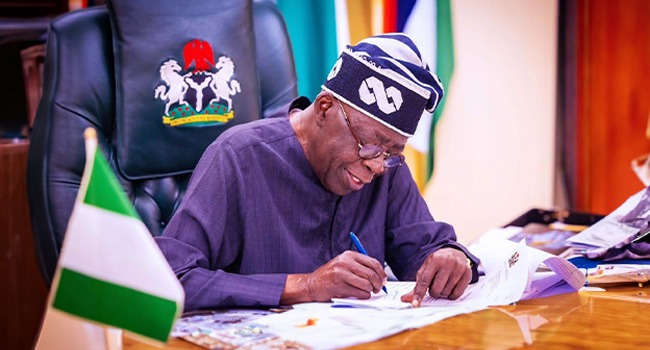

President Bola Tinubu has approved the payment plan to finally settle the outstanding debts under the Presidential Power Sector Financial Reforms Programme.
The debt repayment plan followed the final review of the legacy debts that have beset the power sector for more than a decade.
The long-standing debts accumulated between February 2015 and March 2025. Following verification, ₦3.3 trillion has been agreed as a full and final settlement, ensuring a fair and transparent resolution.
Implementation has begun, with 15 power plants signing settlement agreements totalling ₦2.3 trillion. The Federal Government has already raised ₦501 billion to fund these payments. Out of the amount, N223 billion has been disbursed, with further payments underway.
What this means for Nigerians: With payments reaching the power value chain, generation will be more stable. With power plants supported, electricity reliability will improve.
And as the sector stabilises, more investment, more jobs, and better service will follow.
“This programme is not just about settling legacy debts. It is about restoring confidence across the power sector — ensuring gas suppliers are paid, power plants can keep running, and the system begins to work more reliably,” explained Olu Arowolo-Verheijen, Special Adviser on Energy to President Tinubu.
“It is part of a broader set of reforms already underway — including better metering and service-based tariffs that link what you pay to the quality of electricity you receive.
“The government is also prioritising power supply to businesses, industries, and small enterprises — because reliable electricity is critical to creating jobs, supporting livelihoods, and growing the economy.
“The goal is simple: more reliable power for homes, stronger support for businesses, and a system that works better for all Nigerians,” she added.
President Tinubu has commended all stakeholders who supported efforts to resolve the legacy issues in the power sector. He has also confirmed that the next phase (Series II) will begin this quarter.
The post Tinubu Approves ₦3.3 Trillion to Clear Power Sector Debts appeared first on Business Today NG.


The average retail price paid by Nigerians for Premium Motor Spirit (PMS), popularly known as petrol, rose to ₦1,596.25 per litre in May 2026, reflecting the continued pressure of high fuel costs on households and businesses across the country.
The National Bureau of Statistics (NBS) disclosed this in its Petrol Price Watch report released on Wednesday, showing that the average pump price increased by 55.31 per cent when compared with ₦1,027.76 recorded in May 2025.
The latest figure also represents a 4.13 per cent increase from the average price of ₦1,532.93 per litre recorded in April 2026.
The data indicate that fuel prices have continued their upward trajectory despite fluctuations recorded in some months over the past year.
A review of the monthly trend showed that the national average stood at ₦1,037.66 per litre in June 2025, then declined to ₦1,024.99 in July and ₦988.25 in August. The average price fell further to ₦970.59 in September 2025, then rose to ₦1,052.31 in October and ₦1,061.35 in November.

In December 2025, the average price eased slightly to ₦1,048.63 per litre and stood at ₦1,034.76 in January 2026. It increased marginally to ₦1,051.47 in February, then surged to ₦1,288.54 in March and ₦1,532.93 in April. The upward trend continued in May, reaching ₦1,596.25 per litre.
Edo records highest price
Across the states, Edo recorded the highest average retail price of petrol at ₦1,722.91 per litre in May.
Bauchi followed, with an average price of ₦1,715.47 per litre, while Benue residents paid ₦1,698.57 per litre.
On the other hand, Adamawa recorded the lowest average price at ₦1,469.83 per litre. Katsina followed closely with ₦1,470.63 per litre, while Sokoto posted an average of ₦1,489.33 per litre.
The figures underscore the wide variations in petrol prices across the country, reflecting differences in transportation costs, supply logistics and market conditions.
South-south leads geopolitical zones
At the zonal level, the South-South recorded the highest average petrol price at ₦1,623.84 per litre.
The North-east followed with ₦1,622.76, while the South-East posted an average of ₦1,593.91.
ALSO READ: Dangote Refinery explains N100 petrol price increase amid crude price surge
The North-central zone recorded ₦1,589.92, marginally higher than the South-West’s ₦1,588.96. The North-West had the lowest zonal average at ₦1,564.11 per litre.
The latest report highlights the persistent rise in fuel prices since the deregulation of the downstream petroleum sector, with petrol now selling at levels significantly higher than those recorded a year ago.
For many households and businesses, the increase continues to translate into higher transportation and operating costs, adding to broader concerns over the cost of living in Africa’s largest economy.
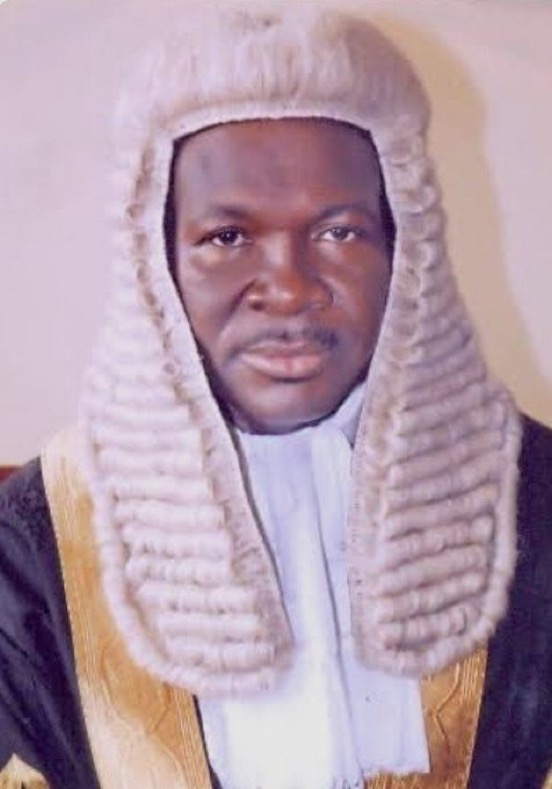
BY SUNDAY SAMUEL The Legal Practitioners’ Privileges Committee (LPPC) has directed prominent lawyer Mike Ozekhome to stop using the title of Senior Advocate of Nigeria (SAN) pending the conclusion of disciplinary proceedings against him.
The decision was made in line with Paragraph 26(6) of the guidelines governing the award and regulation of the SAN rank. The measure will remain in force until the committee reaches a final decision on matters currently before its Disciplinary and Ethics Sub-Committee, as well as other related proceedings.
According to the LPPC, the action is intended to protect the honour, reputation and standing of the prestigious SAN designation while the issues under consideration are thoroughly examined.
As a result, Ozekhome is prohibited from portraying or identifying himself as a Senior Advocate of Nigeria until the disciplinary process is concluded.
The committee reaffirmed its dedication to promoting professionalism, ethical conduct and accountability within the legal profession, stressing the need to preserve public trust in the SAN institution.
Ozekhome was elevated to the rank of Senior Advocate of Nigeria in 2010, joining a group of 19 distinguished legal practitioners admitted to the Inner Bar that year.
The post LPPC Bars Ozekhome from Using SAN Title Amid Ongoing Ethics Review appeared first on Business Today NG.
-

 Business2 days ago
Ondo Police Foil Two Kidnap Attempts in Owo, Rescue Victims and Family Members
-
 News4 days ago
Nasarawa North by-election: Maku loses as INEC declares APC’s Envu-Alanza winner
-

 News2 days ago
I’m Jealous Wike is in PDP – APC Chairman, Nentawe Yilwatda admits
-
News4 days ago
LG Tussle: Osun APP urges security agencies to enforce FHC judgment