News
Threads finally brings messaging to the web


Threads is rolling out messaging on the web, bringing one-on-one and group chats to desktop, the Meta-owned social network announced on Tuesday. By bringing messaging to the web, Threads is aligning its desktop experience more closely with competitors like X and Bluesky.
Connor Hayes, Meta’s head of Threads, said in a post that web messaging was the most requested feature from users after the company first introduced DMs in July 2025.
“Our most engaged people spend time on web because they’re at their desks, tapped in, using Threads for longer sessions,” Hayes wrote in his Threads post. “A conversation app needs to work wherever you are, and now it does.”
The web version of Threads now includes a “Messages” tab that opens your DM inbox, along with a “Requests” section where you can view all incoming message requests. You can also search your messages and quickly start a new chat.

The launch doesn’t come as a surprise, as Hayes had teased back in April that messaging would be coming to Threads’ web experience.
For a platform that lacked native DMs at launch, messaging has become a core part of Threads. The company told TechCrunch in an email that users have been sending 30% more messages per week since the start of the year, with usage now averaging around 350 million DMs weekly.
Since launching in 2023, Threads has consistently added new features to expand its platform and remain competitive with its rivals. It’s worth noting that the social network recently added a feature that not even its competitors have: Live Chats.
Threads’ Live Chats allow for real-time conversations during cultural events and are launching first within the NBA Threads community during the playoffs. Users can send messages, photos, videos, links, and emoji reactions. Up to 150 participants can actively send messages in a chat. Once this limit is reached, additional users can still view the conversation, react to messages, and participate in polls in “spectator” mode.
The rollout of messaging on the web and Live Chats shows that Threads is focused on making conversations a central part of its platform, beyond posts and replies.
When you purchase through links in our articles, we may earn a small commission. This doesn’t affect our editorial independence.






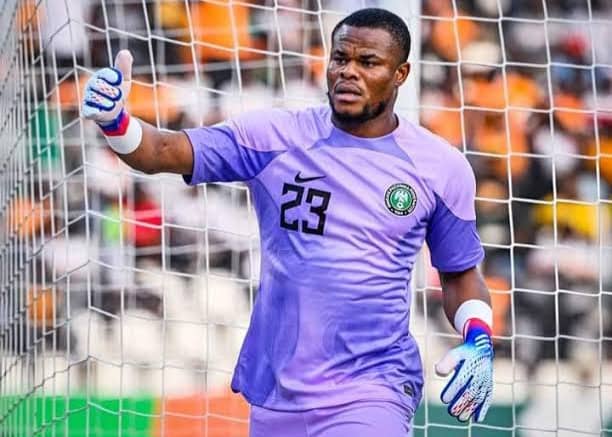
Back-to-form Chippa United of South Africa goalkeeper, Stanley Nwabali appears good enough to start for Nigeria against Russia in Tuesday’s international friendly match between both nations.
Sports247 gathered that, although many Nigerian football fans slammed Nwabali for letting in three goals during last Tuesday’s 2027 Africa Cup of Nations qualifier defeat away to Guinea-Bissau, Eagles’ coach, Eric Chelle is keeping faith with him.
A strong hint in this direction emerged from reports citing Nwabali in training with the Eagles on arrival in Moscow ahead of Tuesday’s game, which comes exactly a week after the Nigerian team’s ignominious 3-0 loss to Guinea-Bissau, who now top their qualifying group with six points.
The friendly with Russia was initially meant to help Chelle test new players ahead of the resumption of AFCON 2027 qualifiers in November, but the report from the team’s camp in Moscow indicates that the Franco-Malian tactician will now count on some of his established regulars for Tuesday’s game.
Information provided by the communications department of Nigeria Football Federation (NFF) revealed that Nwabali was one of prominent Eagles’ players who were involved in the team’s first training session ahead of Tuesday’s game.
The report disclosed, “The Super Eagles have had their first training session in Nizhny Novgorod, as they prepare for Tuesday’s international friendly match against Russia’s senior men national team.
“The group of 17 players that trained on Saturday included 101-cap Moses Simon, goalkeeper Stanley Nwabali, defenders Benjamin Fredricks and Emmanuel Fernandez, as well as forwards Kelechi Iheanacho and Akor Adams.
“The team will have two more training sessions on Sunday and Monday before the encounter (which is scheduled to take place) at the Nizhny Novgorod Stadium on Tuesday evening.
“On 6 June last year, Russia and Nigeria played to a 1-1 draw at Moscow’s Luzhniki Stadium, with the Russians going in front through an own goal by defender Semi Ajayi, before Tolu Arokodare levelled for the Super Eagles.”
Sports247 gathered further that, while Nwabali appears set to start the game on Tuesday, he will likely bow at half time and give way to Charlton Athletic of England’s new signing, Arthur Okonkwo, who is the preferred first choice of many Nigerian football fans.
-

 News3 days ago
PLASU Opens Doors to Global Investors at 2nd Inaugural Lecture
-
Health2 days ago
Plateau: Medical Women Association of Nigeria Marks Older Persons Day with Free Outreach
-
News3 days ago
Plateau Specialist Hospital Celebrates Nigeria at 66, Salutes Mutfwang’s Health Initiatives
-
News3 days ago
Nigeria At 66: Rotjimwa Yilyok Salutes President Tinubu, APC Leadership and Plateau Government